Dr. Jenny Gandhi

procedure steps

1. Getting the patient ready

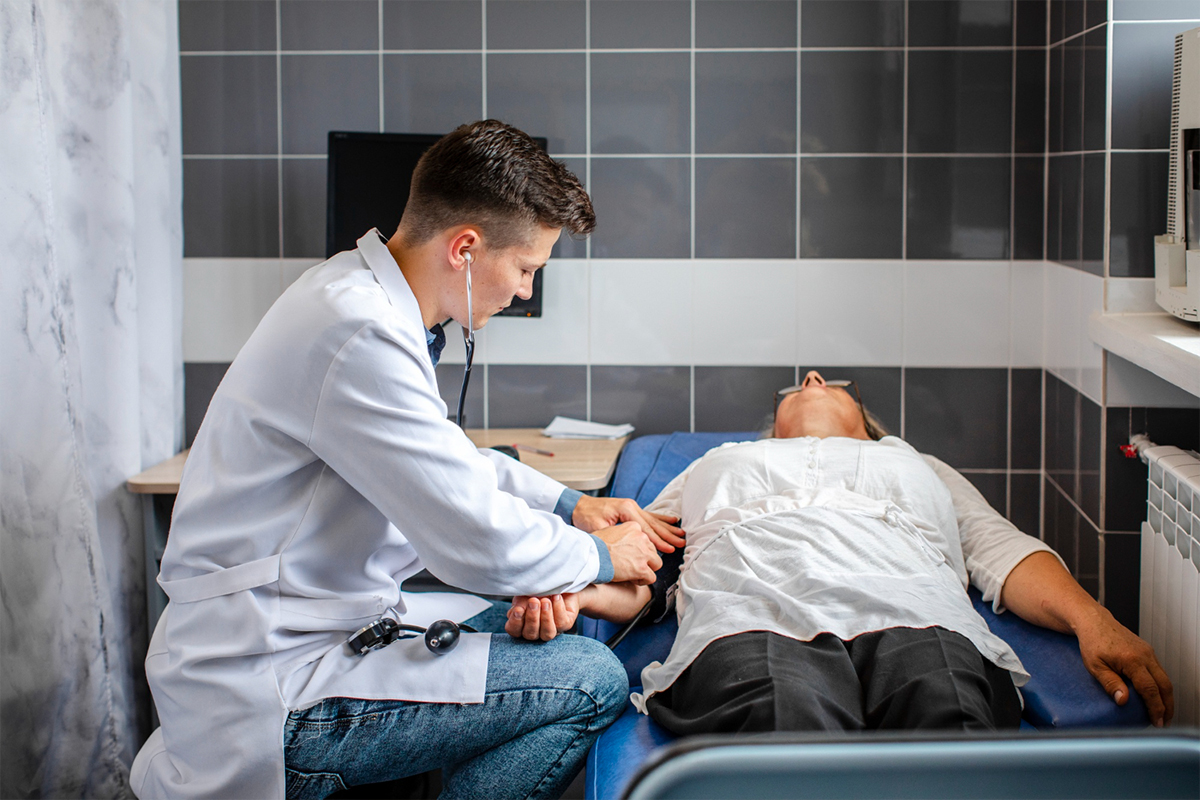
To improve vein visibility, the patient lies down, usually on their back, with their legs slightly raised. To preserve sterility, an antiseptic solution is used to clean the treatment area.
2. Vein mapping and ultrasound guidance

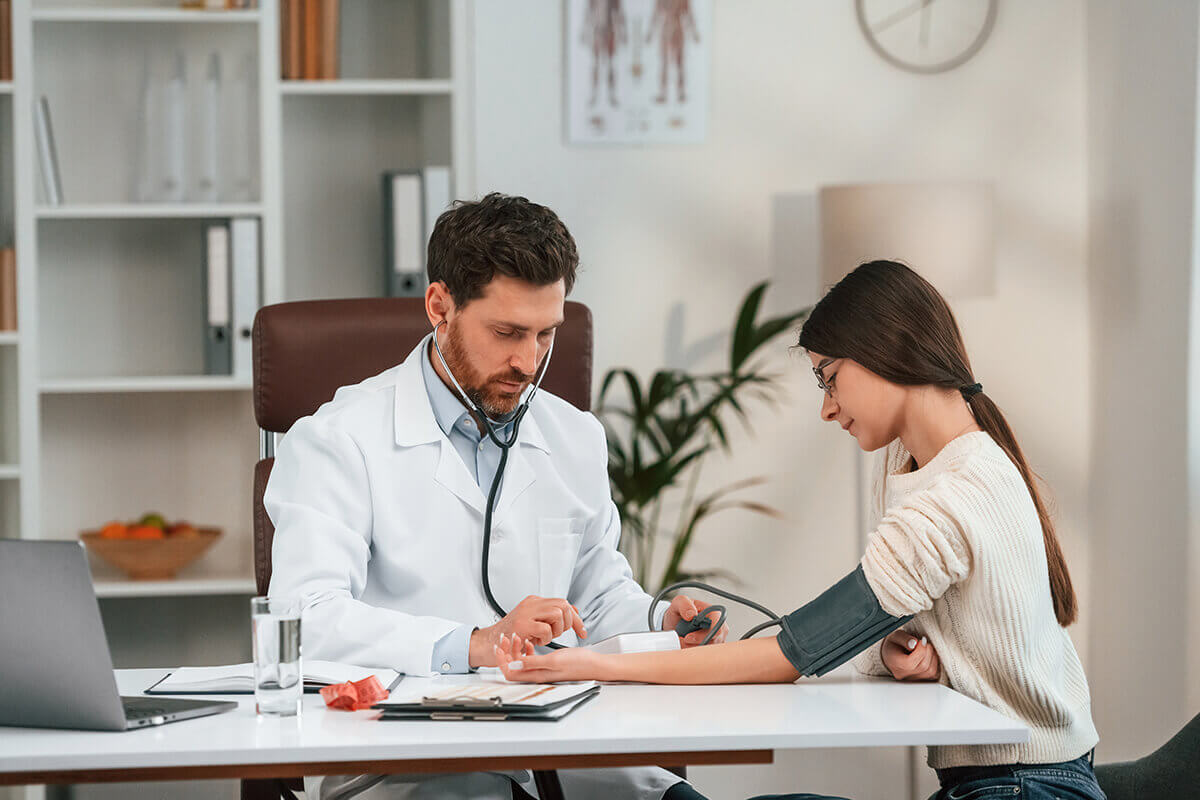
To ensure accurate targeting during foam injection, the target veins are located and mapped using a duplex ultrasound probe, especially for bigger varicose veins.

3. Preparing Foam

To create a microfoam, the sclerosing agent (often sodium tetradecyl sulfate or polidocanol) is combined with carbon dioxide or air using a double-syringe approach (Tessari method). For greater effectiveness, this foam extends the sclerosant's contact with the vein wall and increases its surface area.

4. Injecting foam and inserting needles

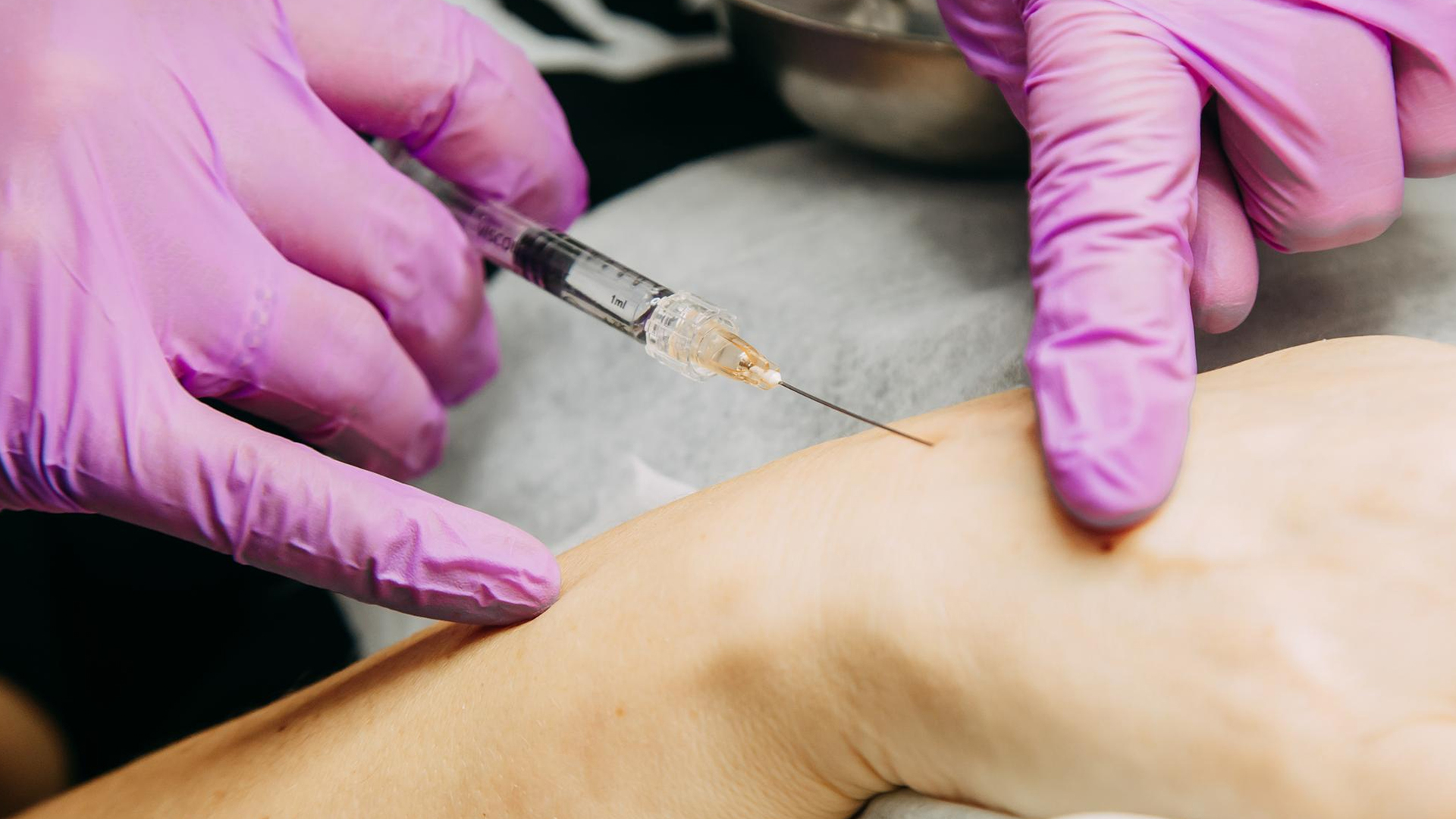
A tiny needle is placed into the target vein while being guided by ultrasonography. By carefully filling the vein with foam, the vein walls collapse and seal shut, displacing blood.

5. Application of Compression

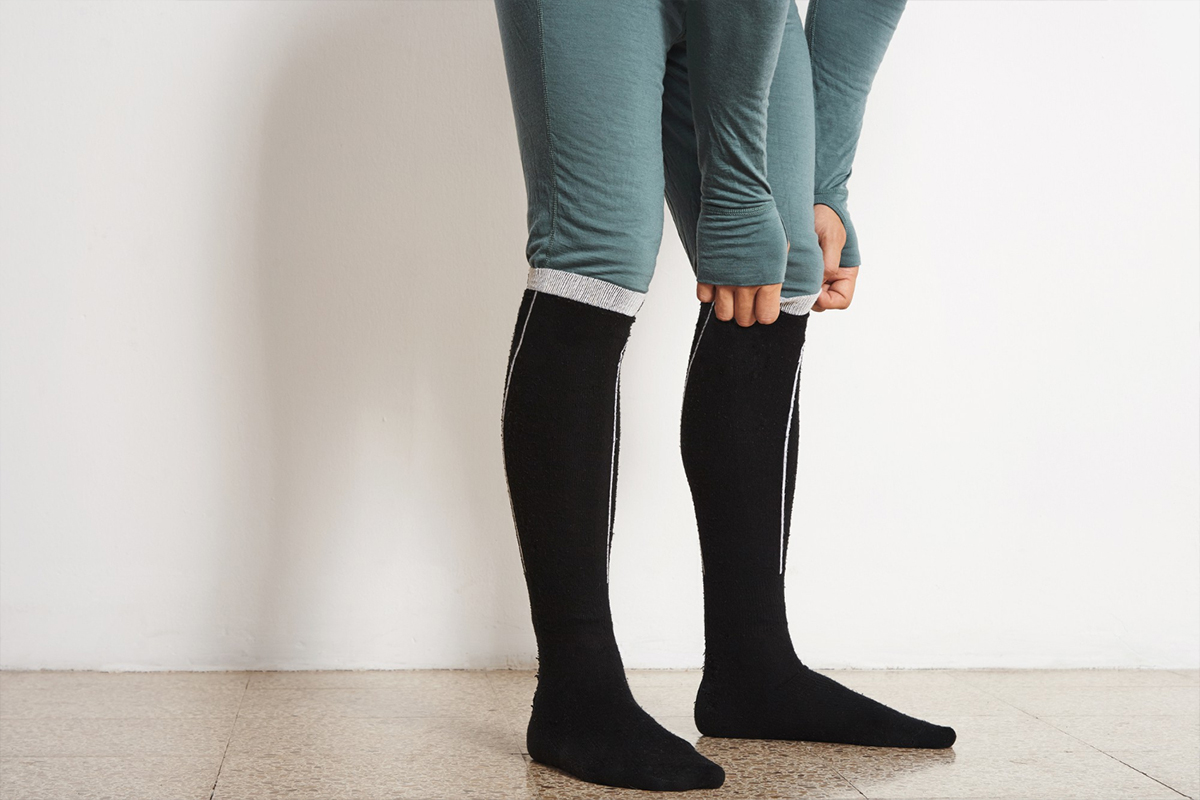
To encourage vein closure, lessen swelling, and hasten healing, the treated leg is covered with an elasticated compression bandage or stocking after injection.

6. Multiple Sessions and Post-Procedure Monitoring

Typically, treatment sessions go between thirty and forty-five minutes. Depending on the quantity and size of veins treated, some patients could need more than one session.

disease treated

Varicose Veins

Lorem Ipsum is simply dummy text of the printing and typesetting industry.

suitable for

Individuals with Reticular and Varicose Veins

Large trunk veins (such as the great saphenous vein), tiny reticular veins, and tributaries can all be treated with foam sclerotherapy. Patients with symptoms chronic venous illness can benefit from it.

Individuals suffering with venous reflux

Foam sclerotherapy, which successfully lowers vein diameter and reflux, is beneficial for people with superficial vein reflux that has been verified by ultrasound.

Those Not Fit for Thermal Ablation or Surgery

It is an excellent choice for patients whose vein anatomy prevents them from undergoing endovenous thermal ablation or surgery.

Individuals with Recurrent Varicose Veins

For varicose veins that return or persist after surgery or other therapies, foam sclerotherapy is frequently used.

Individuals with Advanced Disease Venous Leg Ulcers

Foam sclerotherapy helps repair venous ulcers and skin abnormalities in advanced stages (C4 to C6 CEAP classification).

Spider Vein Cosmetic Treatment

Smaller veins are also treated with it to make them seem better.

benefits

Comfortable and Minimally Invasive

Foam sclerotherapy is a minimally invasive outpatient surgery that typically doesn’t require anesthetic, resulting in little discomfort and no recovery period.

Suitable for Bigger Veins

Compared to conventional liquid sclerotherapy, the foam formulation enables treatment of larger and more complicated varicose veins by displacing blood and guaranteeing improved contact with vein walls.

High Rates of Success

According to clinical research, 80–90% of patients get long-lasting venous closure, symptom relief, a decrease in discomfort and swelling, and an improvement in the vein’s overall look.

Fast and Practical

After a 30- to 45-minute treatment session, patients can immediately return to their regular activities without needing to stay in the hospital or take a significant period off from work.

Low Risk of Complications and Safety

Foam sclerotherapy is a dependable substitute for surgery, particularly for people who are not ideal candidates for surgery, because it has a favorable safety profile and low adverse effects.

Coverage of Insurance

Compared to liquid sclerotherapy, which is usually seen as cosmetic, it is frequently reimbursed by insurance when performed for medical causes.

Adaptable Therapy

Treatment effectiveness and customisation can be improved by adjusting the foam’s concentration and volume to the patient’s unique venous problems.

Enhances Cosmetic Appearance and Symptoms

Foam sclerotherapy improves leg look and patient confidence by reducing visible varicose veins in addition to treating the underlying venous insufficiency.

post-treatment recovery

Quick Recuperation
Foam sclerotherapy is an outpatient technique that requires little recovery time.
Following treatment, patients can typically walk right away and resume most of their regular activities that same day.
Stockings for Compression
It is advised to wear compression stockings nonstop for seven to fourteen days in order to encourage vein closure, lessen edema, and improve recovery.
Only when they are sleeping can patients take off their stockings.
Bruising and mild discomfort
Around treated veins, some soreness, bruising, or tightness is typical, but it normally goes away in a few days to weeks.
Although it can happen, skin darkening or staining usually goes away within a few months.
Activity Recommendations
For at least one to two weeks, patients should refrain from intense exertion, hard lifting, extended sitting, or standing; nevertheless, gentle walking is recommended to promote healing and circulation.
Follow-up and Extra Meetings
Four to six weeks after therapy, a follow-up appointment is usually planned to evaluate outcomes.
Depending on the size and response of the vein, several treatments can be necessary for the best vein closure.
Long-Term Results
Most patients have noticeable improvement in three months as the treated veins gradually diminish and are absorbed.
Over time, varicose veins may recur, but for the majority of patients, foam sclerotherapy provides long-lasting relief.

Schedule Your
Consultation Today!