
 702, 7th Floor, Solaris Kode, Near Khatu Shyam Temple, VIP Road, Vesu , Surat.
 drjennygandhi98@gmail.com
 +91 90033 03373
Cathlab


Cathlab


how Interventional
Radiology helps??
1
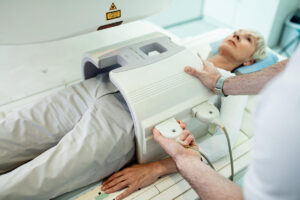
Angiography
A diagnostic technique used to see blood arteries and spot anomalies or blockages. Under imaging guidance, a narrow catheter is placed into a blood artery and directed to the desired location. After that, an injection of contrast dye makes the blood vessels visible on an X-ray. This aids in the precise diagnosis of diseases including […]
2
Angioplasty
The purpose of angioplasty is to restore blood flow, alleviate symptoms (such as claudication), and promote wound healing in ischemic limbs. A thin catheter with a small deflated balloon at its tip is guided to the narrowed peripheral artery under X-ray guidance, the balloon is inflated to compress plaque against the artery wall and widen […]

3
Stenting
When angioplasty alone causes significant residual narrowing, vessel recoil, or flow-limiting dissection, a metal scaffold (typically nitinol) mounted on a delivery catheter is positioned across the treated lesion and expanded (by balloon or self-expansion) to hold the artery open. Stents instantly provide mechanical support to maintain vessel patency.
4
Mechanical Thrombectomy
A minimally invasive procedure that involves physically removing the blood clot from the blocked vein using a specialized catheter. Rapid blood flow restoration, symptom relief, and a lower risk of long-term complications like post-thrombotic syndrome are all provided by this technique. By physically removing the clot, mechanical thrombectomy frequently lowers the risk of bleeding. It […]
5
Embolization procedures
Used to stop or lessen blood flow to a particular region. Under imaging guidance, specific materials like coils, particles, or medical glue are injected into particular blood vessels via a catheter. This method is frequently used to manage vascular abnormalities, stop bleeding, treat tumors, and treat problems including uterine fibroids. Embolization helps provide successful treatment […]
6
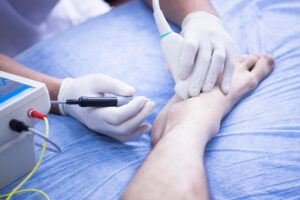
Endovascular treatments
Without doing open surgery, physicians can access and treat blocked or constricted arteries using catheters, wires, and sophisticated imaging. In addition to providing advantages including smaller incisions, shorter recovery times, and a decreased risk of problems, these therapies aid in the restoration of blood flow, the management of vascular illnesses, and the reduction of symptoms.