
1. Anesthesia and Preparation
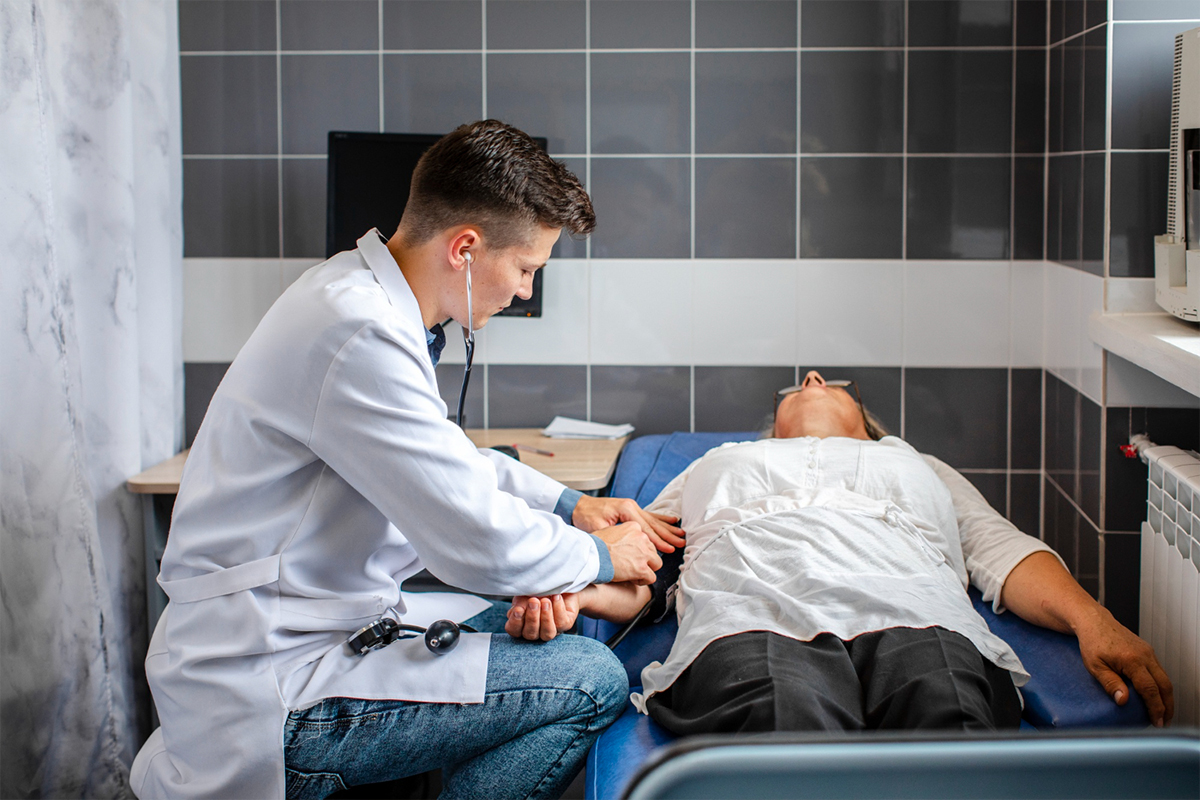
In a sterile environment, the patient is ready. At the vascular access site, typically the femoral or radial artery, local anesthetic is given. If necessary, sedation may be administered.
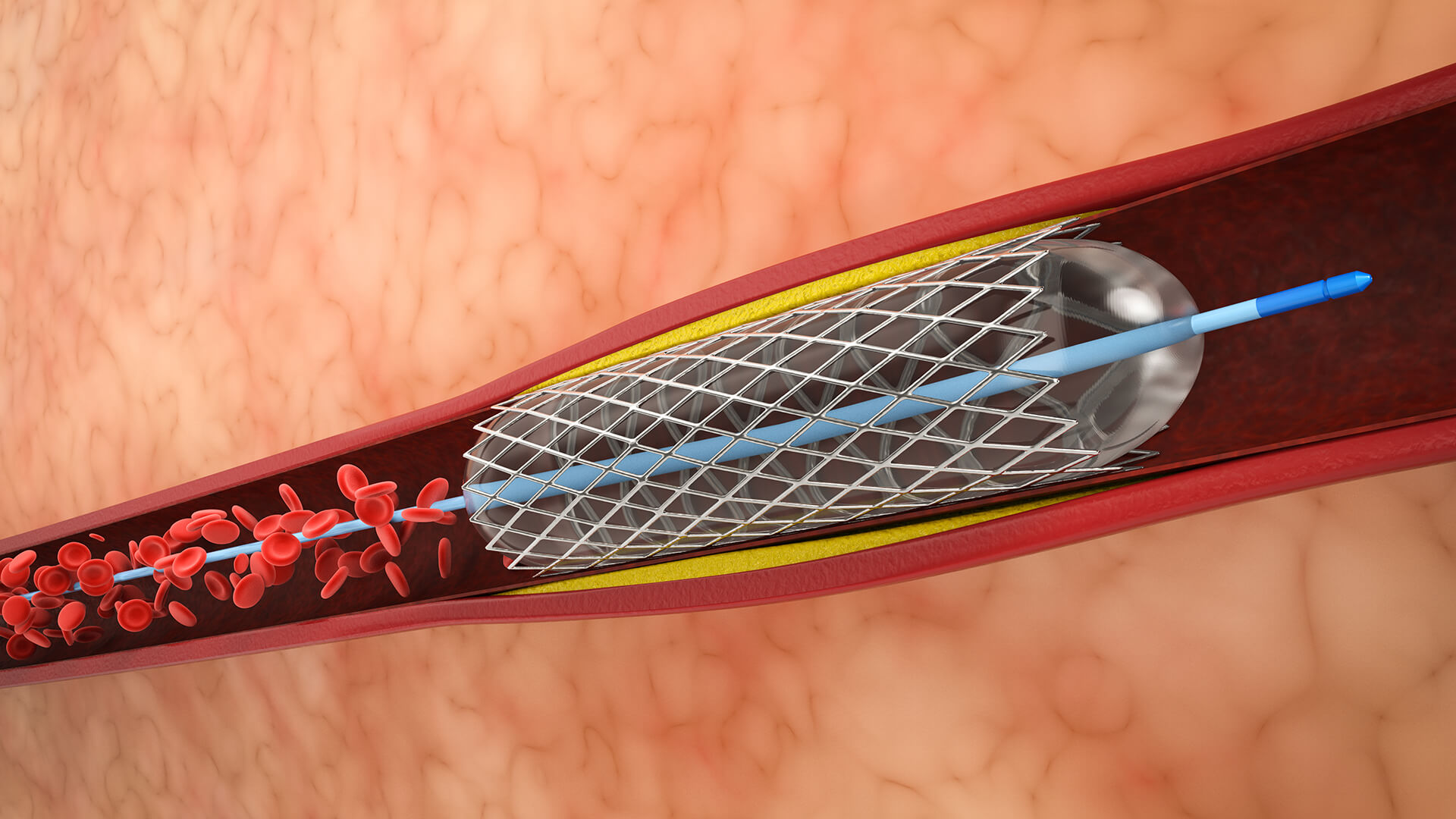
In a sterile environment, the patient is ready. At the vascular access site, typically the femoral or radial artery, local anesthetic is given. If necessary, sedation may be administered.
To introduce a vascular sheath, a little puncture is made. Under fluoroscopic guidance, a guidewire is subsequently inserted via the catheter to pass through the target lesion inside the artery.
The target arterial segment's diameter and length are taken into consideration while selecting the balloon catheter's size and type. The balloon is filled with contrast solution once the air has been removed.
To reach the location of the stenosis or obstruction, the balloon catheter is moved across the guidewire.
In order to enlarge the vascular lumen and crush the atherosclerotic plaque, the balloon is inflated. To maximize vascular dilatation, inflation is maintained for a predetermined amount of time (often seconds to minutes).
In order to prevent vessel damage during removal, the balloon is carefully deflated and removed.
Following balloon inflation, angiography is carried out to evaluate the artery's reopening, restore blood flow, and identify any problems such dissection or persistent stenosis.
After balloon angioplasty, stent implantation may be required to give the vessel structural support.
The catheter, guidewire, and sheath are taken out if the results are confirmed to be satisfactory. Either physical compression or the use of a closure device can accomplish hemostasis.
Vital signs, access site bleeding, and complications are all tracked. The patient's pain or discomfort is controlled, and they are ready to heal.
Lorem Ipsum is simply dummy text of the printing and typesetting industry.

Patients who are not candidates for pulmonary thromboendarterectomy (PTE) because of surgically inaccessible disease, residual hypertension following PTE, comorbidities, or surgical refusal are especially well-suited for balloon pulmonary angioplasty (BPA).
People who have symptomatic artery narrowing or blockage that impairs blood flow, particularly when medical therapy is inadequate.
Depending on anatomical and clinical factors, it can be used for acute infarction, stable or unstable angina, and single or multivessel coronary artery disease.
Patients without autogenous vein graft possibilities or those with a life expectancy of less than two years may not be candidates for bypass surgery.
those whose imaging scans show substantial occlusive arterial lesions that are correlated with their symptoms.
There is less pain and a quicker recovery because the technique just requires a little puncture, avoiding the trauma of open surgery.
significantly reduces symptoms including angina (chest discomfort), exhaustion, shortness of breath, and leg pain brought on by constricted or clogged arteries.
By successfully compressing plaques and dilating the vessel, the inflated balloon restores sufficient blood flow to the heart or afflicted limb.
It lowers the risk of myocardial infarction and cerebrovascular events by clearing blocked arteries.
It is a practical substitute for more invasive surgical procedures because the majority of patients can return to their regular activities in a matter of days.
mproves general health and allows patients to resume daily activities by relieving symptoms and regaining mobility.
used extensively in dialysis access maintenance, renal artery stenosis, carotid artery stenosis, and peripheral and coronary artery disorders.
Many people benefit from angioplasty without requiring open vascular surgery or coronary artery bypass grafting.