
1. Vascular Access and Configuration
Obtain vascular access, usually through the femoral artery. In the parent artery that supplies the aneurysm, place a guiding catheter proximally.
Obtain vascular access, usually through the femoral artery. In the parent artery that supplies the aneurysm, place a guiding catheter proximally.
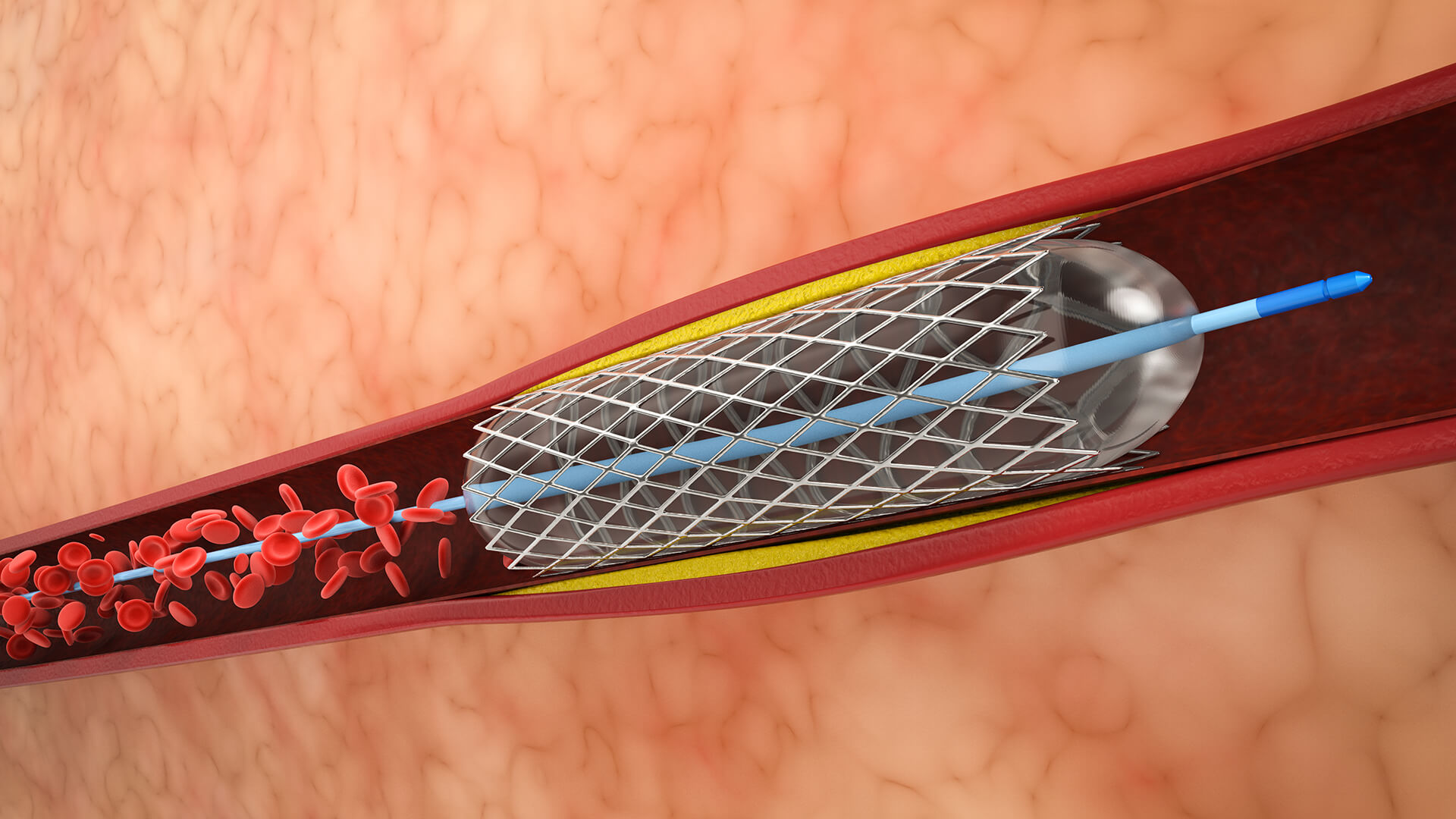
Handle two microcatheters: one that has a compliant balloon placed across the neck of the aneurysm, and another that has been inserted into the aneurysm sac to supply coils.
Place the balloon microcatheter exactly across the neck of the aneurysm. With the balloon deflated, insert the first framing coil into the aneurysm sac.
To avoid coil herniation into the parent artery and to change the form of the neck to enable safe coil packing, momentarily inflate the balloon across the aneurysm neck.
Before extracting coils, regularly deflate the balloon to ensure coil stability and sufficient aneurysm occlusion.
Perform final angiograms to verify total aneurysm occlusion and parent and branch vessel patency once coil packing is good.
After verifying that the coiling device has stopped working, carefully remove the catheters and make sure the vascular access site is hemostatic.
In the event of a vascular rupture, be ready to reinflate the balloon right away, handle thromboembolic events quickly, and make sure the procedure is monitored.
Lorem Ipsum is simply dummy text of the printing and typesetting industry.

especially those with a neck diameter of less than 5 mm and a dome-to-neck ratio of at least 2:1.
where coil implantation is favored by anatomy and endovascular access is possible.
comorbidities, or aneurysm location in difficult-to-access brain areas.
particularly those that can be treated endovascularly.
for whom surgical clipping is deemed more risky.
Patients with aneurysms should prioritize avoiding invasiveness and maintaining brain function.
Situations where emergency care is required, such as aneurysmal subarachnoid hemorrhage.
Less intrusive than open surgical clipping, resulting in a speedier recovery and lower morbidity.
Efficient in stopping cerebral aneurysms from rupturing or bleeding again.
Appropriate for patients with aneurysms in surgically challenging areas or those at high surgical risk.
Both ruptured and unruptured aneurysms can undergo this procedure.
Permits the parent vessel and nearby branch vessels to be preserved.
Shorter operation duration and lower need for anesthesia.
Repeatable in the event of an aneurysm recurrence.
Reduced overall rates of complications when compared to surgical cutting.
In particular, balloon-assisted coiling reduces the risk of coil prolapse and maintains artery integrity while improving coil stability, packing density, and safety in wide-neck aneurysms.
Compared to stent-assisted methods, it typically reduces the need for long-term antiplatelet medication.