



 702, 7th Floor, Solaris Kode, Near Khatu Shyam Temple, VIP Road, Vesu , Surat.
 drjennygandhi98@gmail.com
 +91 90033 03373
Fallopian Tube Blockage


Fallopian Tube Blockage




Because blocked tubes keep sperm from getting to the egg or fertilized eggs from getting to the uterus, infertility is the most common result, which is difficulty or inability to conceive naturally.
If left untreated, partially blocked tubes can trap a fertilized egg, causing it to implant in the tube rather than the uterus. This can be fatal.
Because of the blockage or related conditions like hydrosalpinx (fluid buildup in the tube), some women may have persistent or sporadic pelvic or abdominal pain.
Early pregnancy complications and pregnancy loss are more likely to occur when there is tubal blockage.
For impacted women and couples, infertility and repeated pregnancy loss frequently result in anxiety, stress, and emotional difficulties.

diagnosis
Lorem Ipsum is simply dummy text of the printing and typesetting industry. Lorem Ipsum has been the industry's standard dummy text. Lorem Ipsum is simply dummy text of the printing and typesetting industry

Hysterosalpingography
-
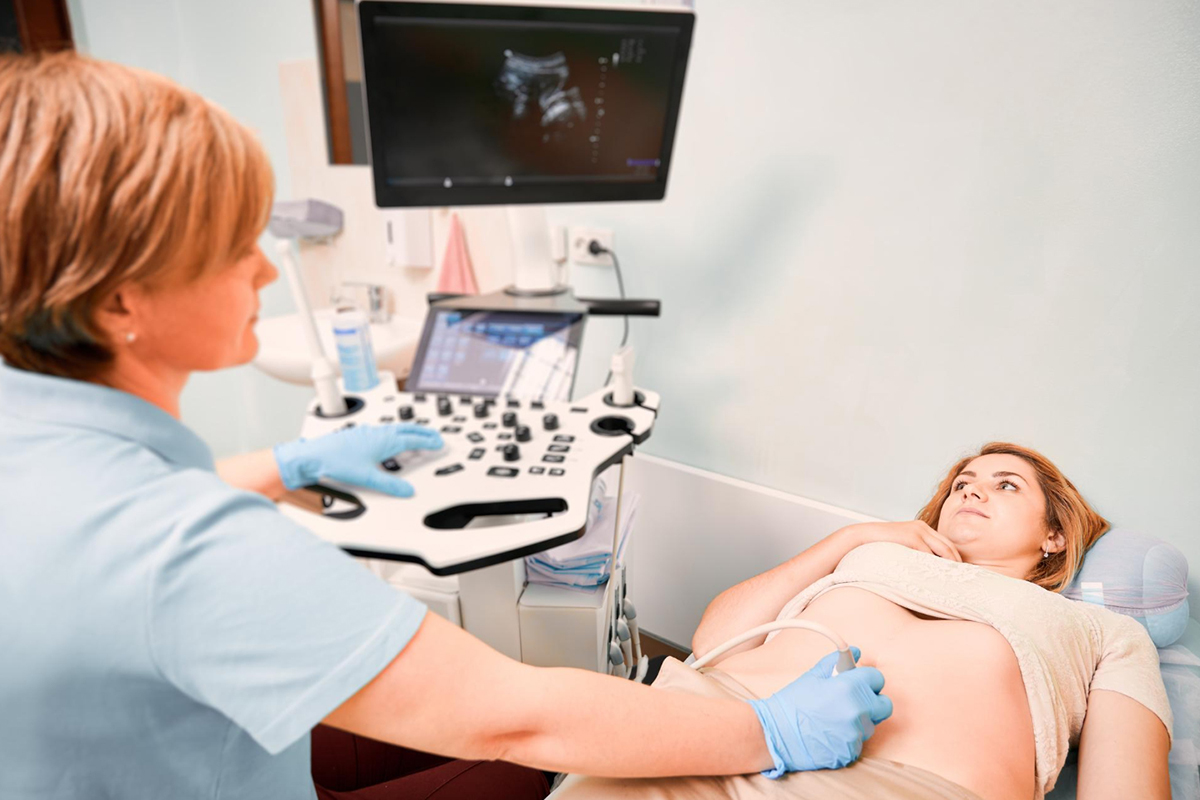
 The most popular test is called hysterosalpingography (HSG), in which a special dye is injected into the uterus and fallopian tubes, and the dye flow is then observed using X-ray imaging. Areas where the dye does not flow through the tubes are signs of blockages. It can also show abnormalities in the uterus. Although there may be some cramping or discomfort during this test, it offers important diagnostic data.
Sonohysterography
-
In order to visualize the uterine cavity and fallopian tubes, sterile saline is injected into the uterus during sonohysterography, also known as saline infusion sonography or HyCoSy. It doesn't use radiation and is less invasive than HSG.
Laparoscopy with Chromopertubation
-
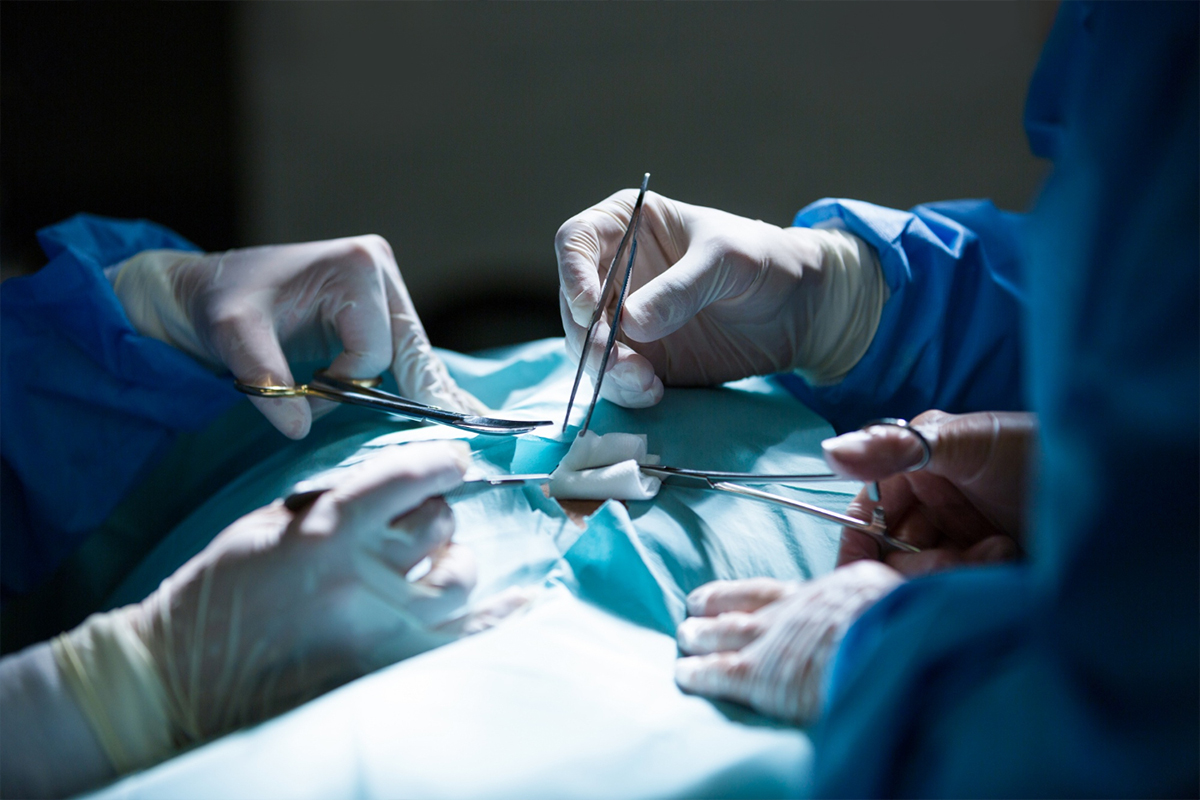
This minimally invasive surgical technique involves inserting a laparoscope through a tiny abdominal incision in order to view the fallopian tubes and pelvic organs up close. To verify tubal patency, a dye injection is administered through the cervix. Though more invasive, this approach is thought to be the most accurate and is typically saved for situations in which other tests are inconclusive or additional pelvic pathology is suspected.
Ultrasound
-
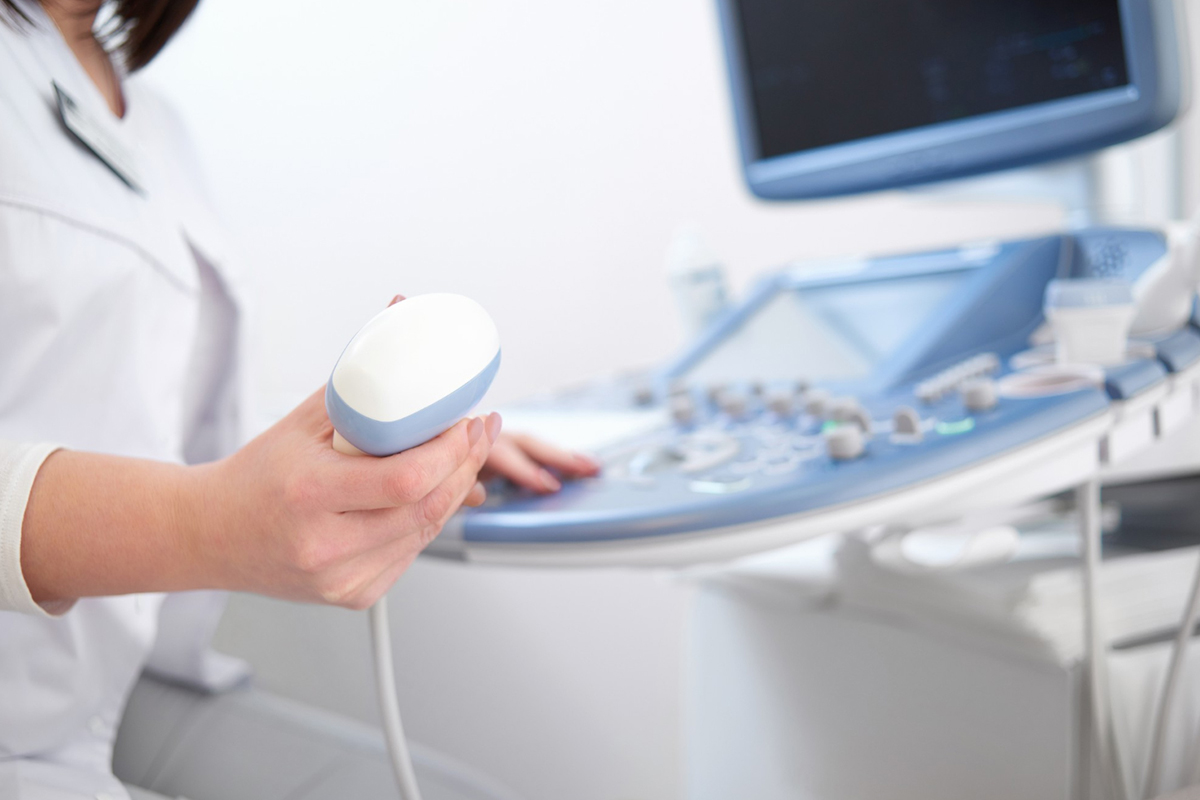
Although it is not always a reliable indicator of tubal blockage, routine transvaginal ultrasonography can occasionally identify anomalies such as hydrosalpinx, or fluid-filled blocked tubes.

Additional tests
-
Blood tests, vaginal or cervical swabs, or infection screening can all be used to determine the root causes of tubal damage.
