
 702, 7th Floor, Solaris Kode, Near Khatu Shyam Temple, VIP Road, Vesu , Surat.
 drjennygandhi98@gmail.com
 +91 90033 03373
Biliary Obstruction


Biliary Obstruction

Severe infection (acute cholangitis) and sepsis, which can rapidly lead to multi-organ failure.
Progressive liver damage including biliary cirrhosis and eventual liver failure due to chronic bile retention.
Jaundice with accompanying complications including itching, dark urine, and pale stools.
Pancreatitis if the pancreatic duct is also obstructed, causing severe and persistent abdominal pain.
Nutritional deficiencies, especially fat-soluble vitamins (A, D, E, K), due to poor bile flow and impaired digestion.
Repeated or worsening abdominal pain, nausea, vomiting, and general digestive dysfunction.
Gallbladder swelling or cholecystitis from trapped bile and progression to more complex infections.
Chronic untreated cases decrease quality of life and often lead to poor overall prognosis, especially if malignancy is present.
diagnosis
Lorem Ipsum is simply dummy text of the printing and typesetting industry. Lorem Ipsum has been the industry's standard dummy text. Lorem Ipsum is simply dummy text of the printing and typesetting industry
Blood Tests
-
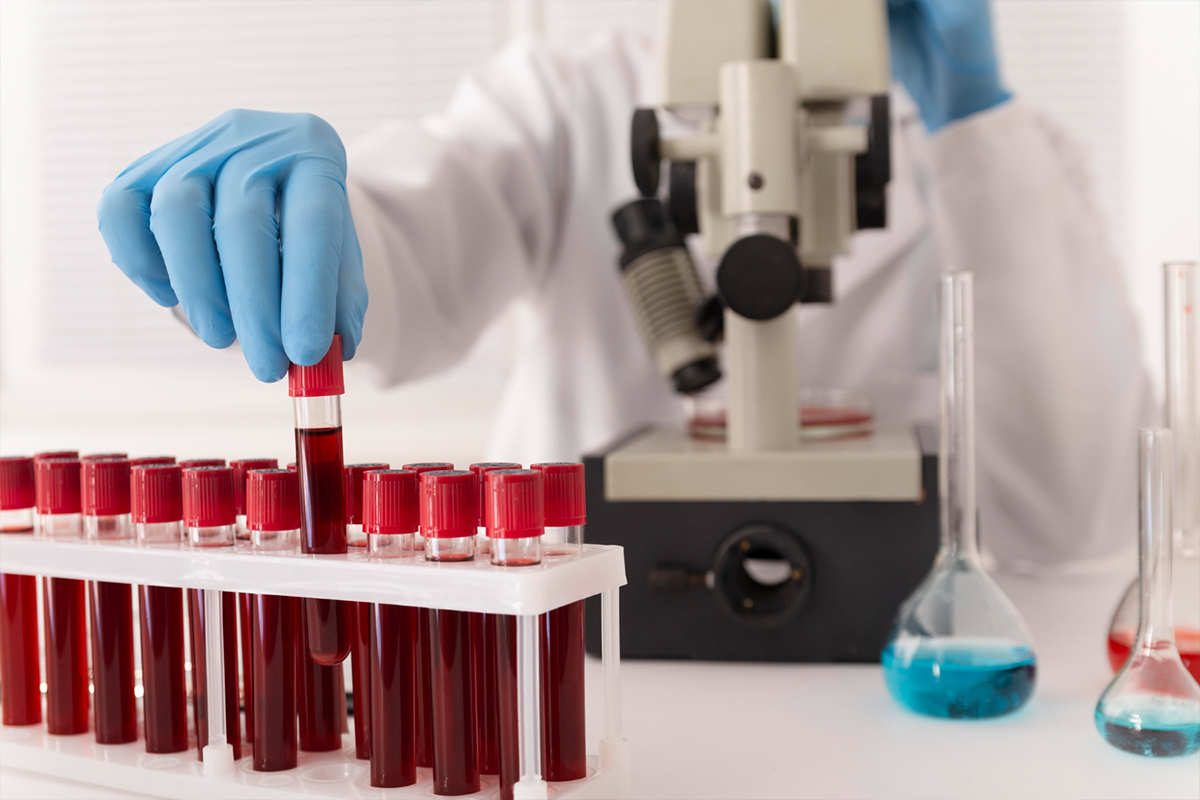
 Liver function tests (elevated bilirubin, alkaline phosphatase, gamma-GT), and specific markers to assess hepatic injury or cholestasis.
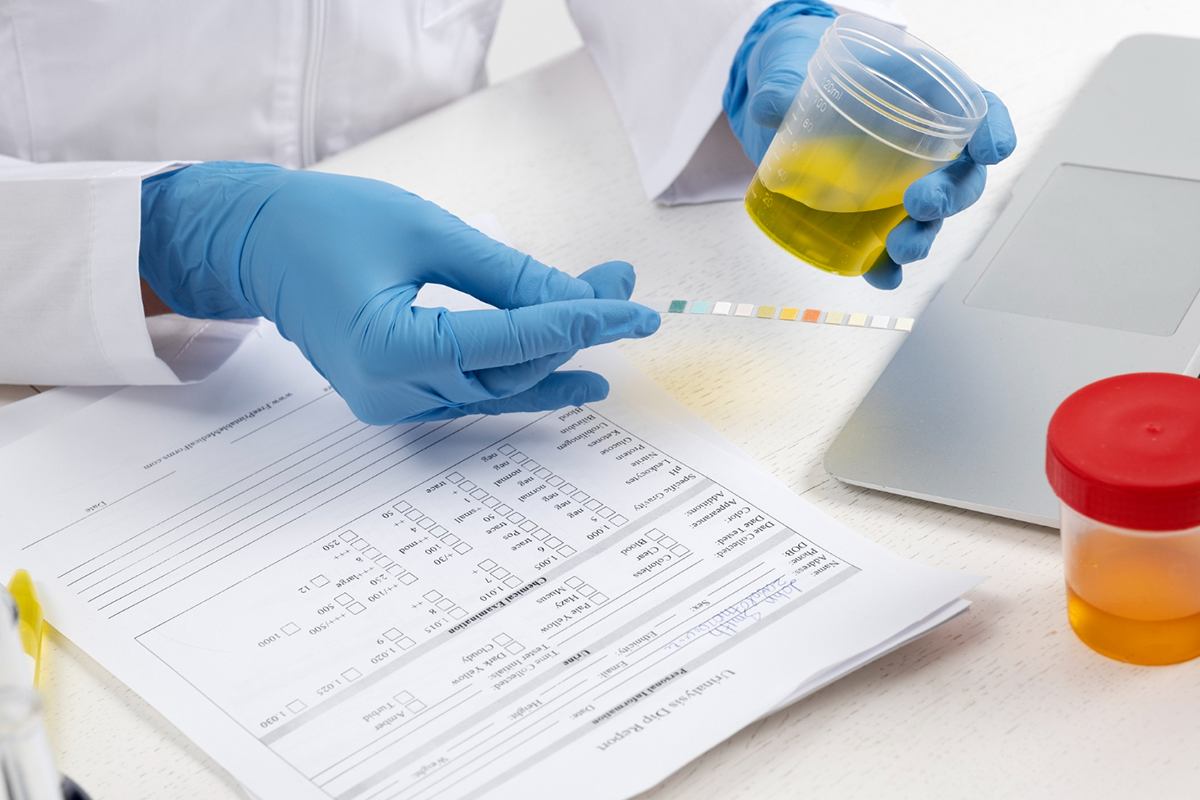
Urine and Stool Tests
-
Elevated urine bilirubin and pale/clay-colored stools suggest obstructed bile flow.
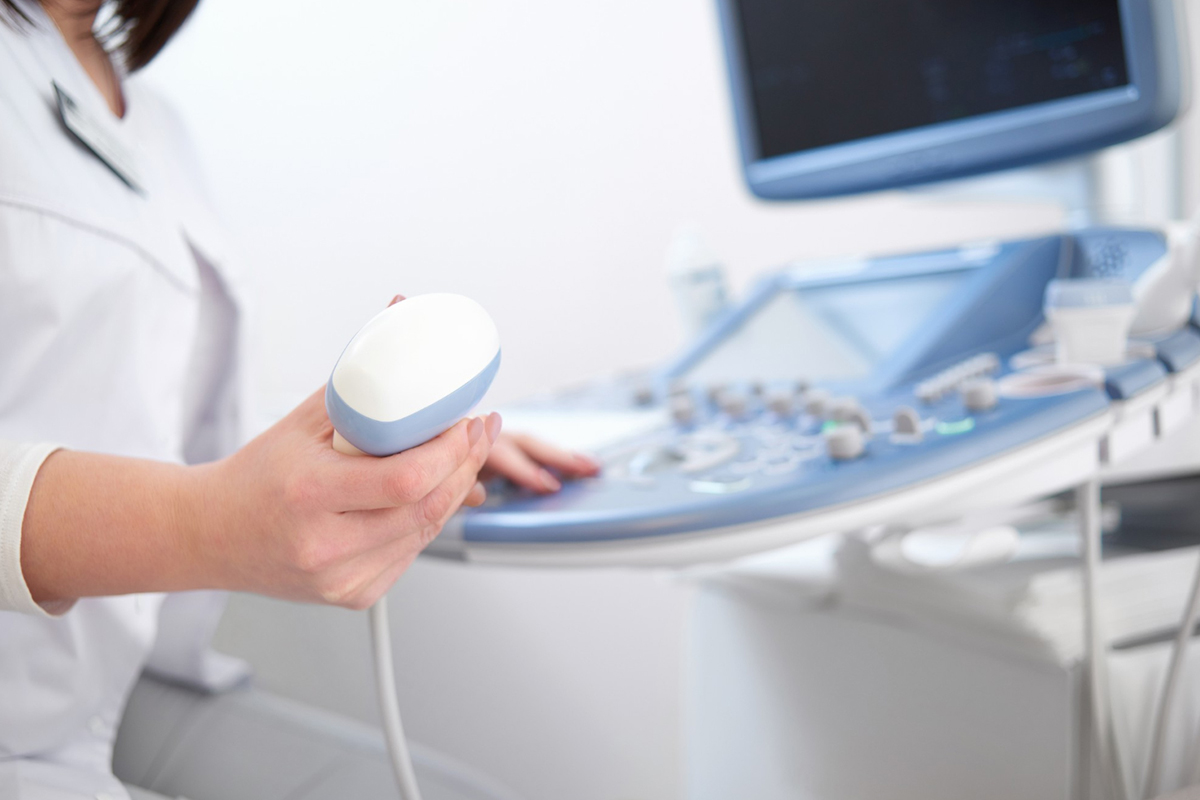
Ultrasound (US)
-
The initial, non-invasive, widely available imaging method to detect dilated bile ducts, gallstones, or masses causing obstruction.
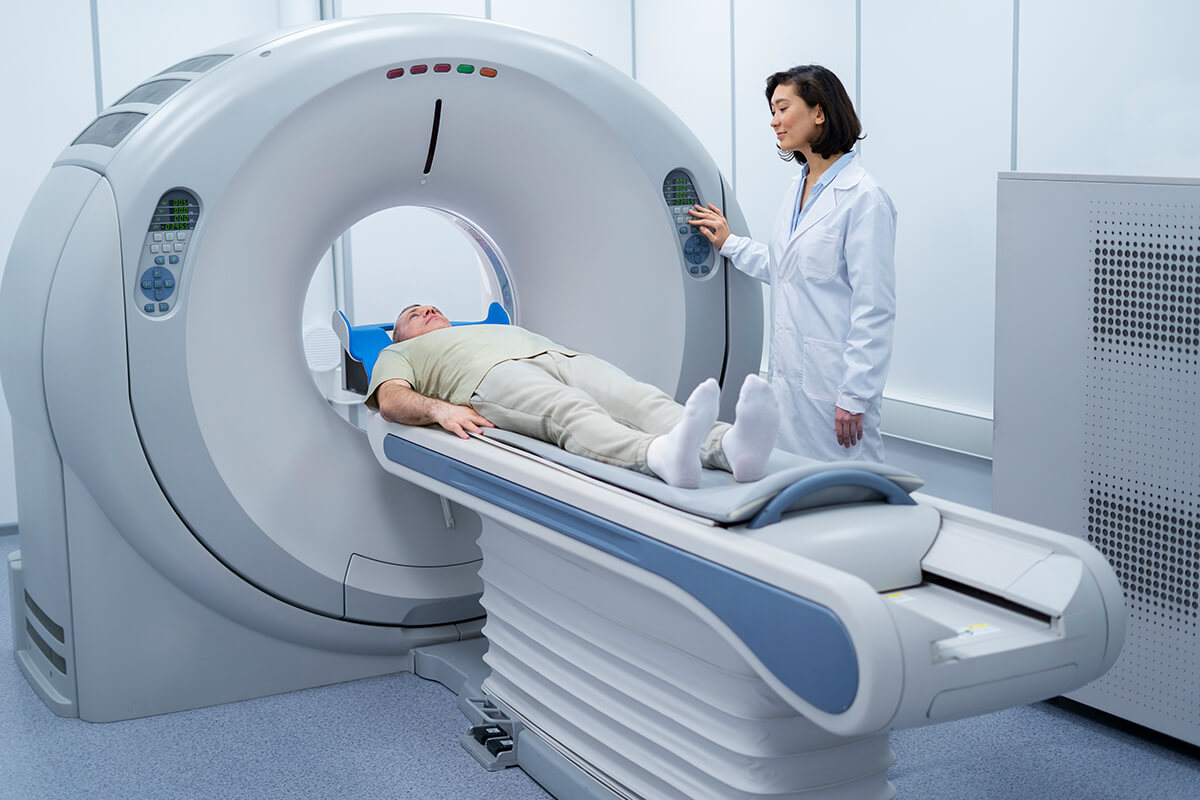
CT Scan
-
Offers more detailed cross-sectional views to identify tumors, strictures, stones, or lymphadenopathy.
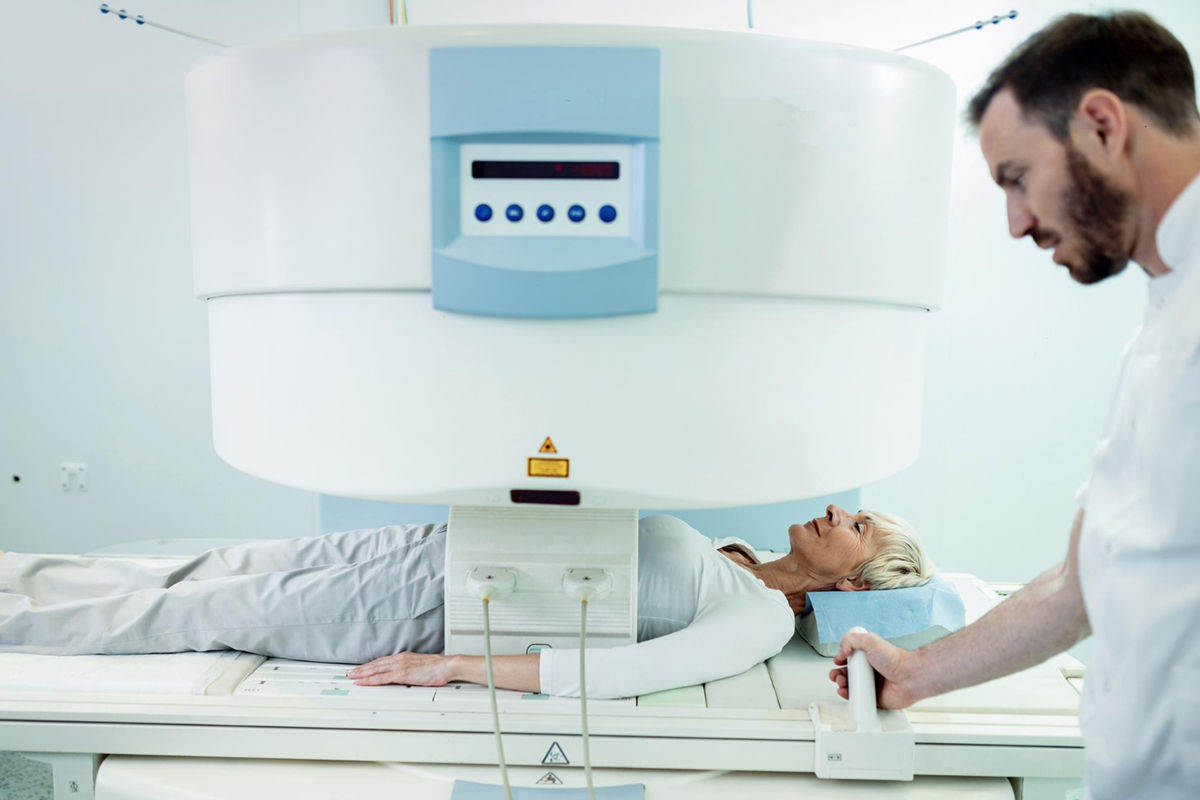
Magnetic Resonance Cholangiopancreatography (MRCP)
-
Highly sensitive for visualizing intra and extrahepatic bile duct abnormalities, strictures, and stones often used to confirm suspicion from ultrasound or CT.
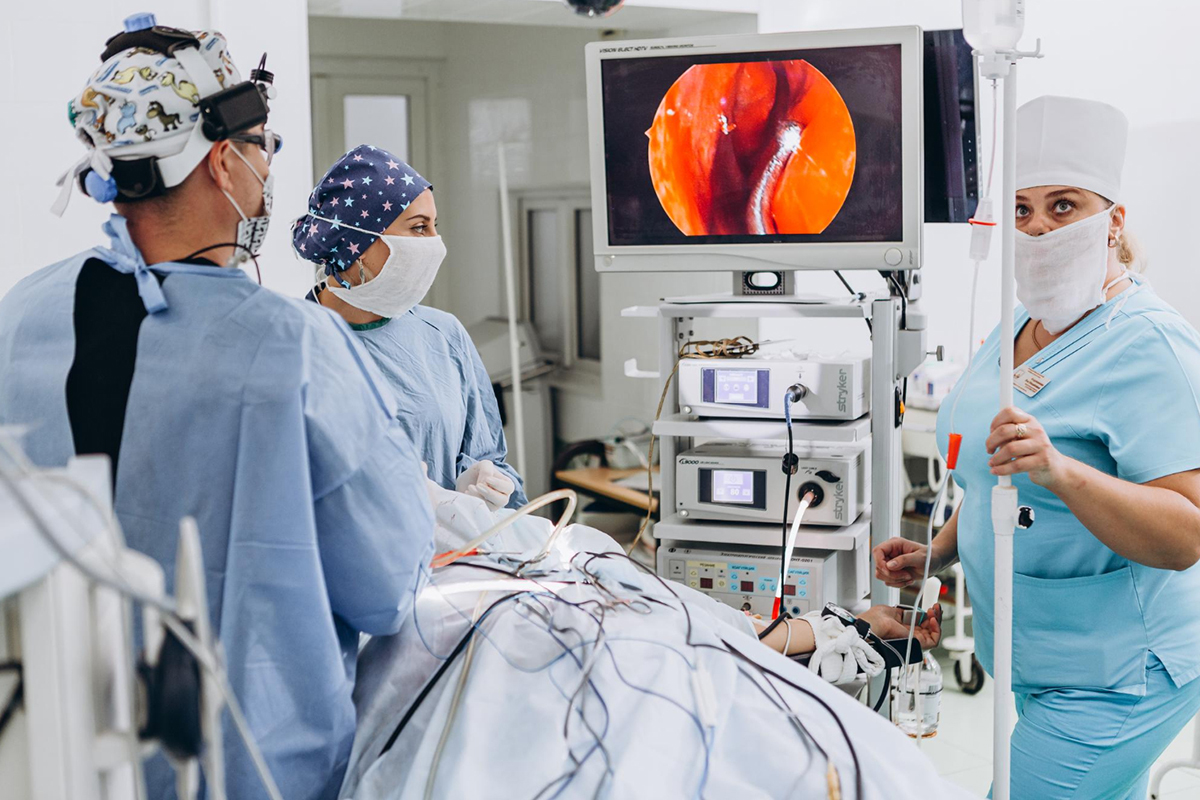
Endoscopic Retrograde Cholangiopancreatography (ERCP)
-
Gold standard for diagnosis and intervention; allows for direct imaging, tissue sampling, and therapeutic procedures such as stent placement or stone extraction.
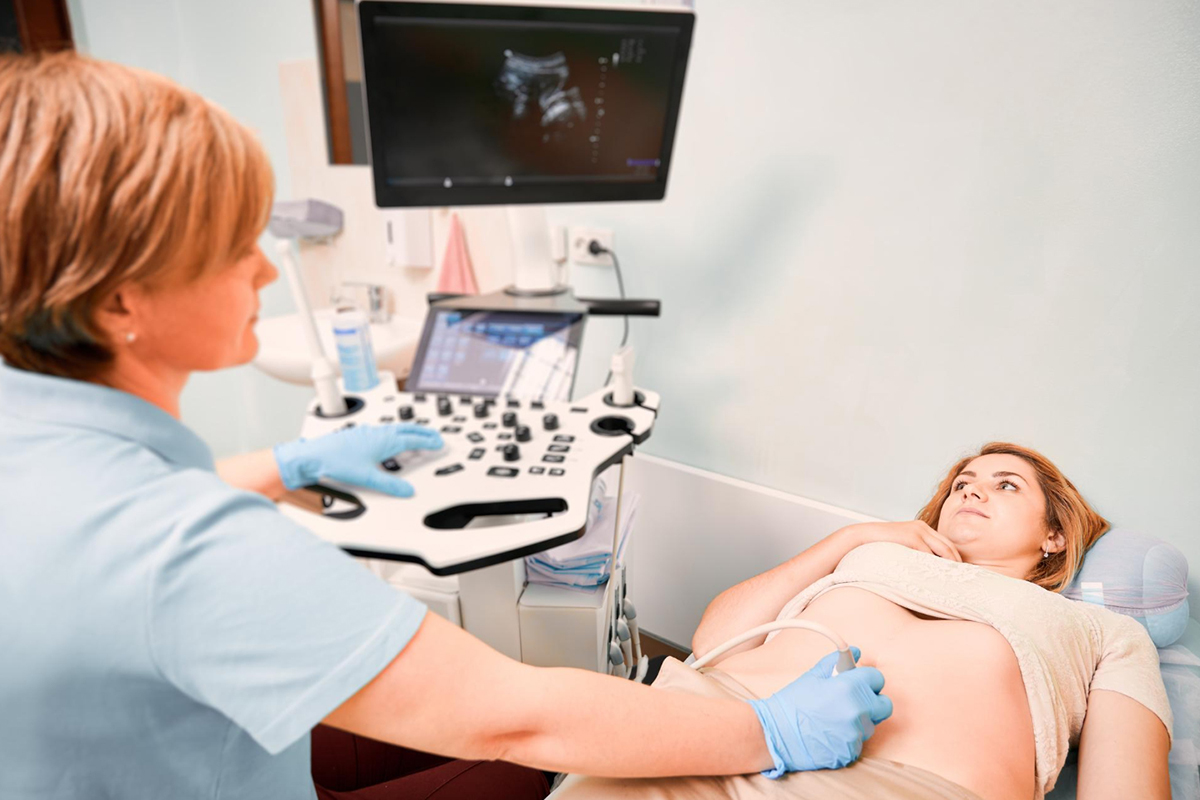
Endoscopic Ultrasound (EUS)
-
Used for high-resolution imaging and tissue biopsy of lesions or strictures, especially when malignancy is suspected.
Percutaneous Transhepatic Cholangiography (PTC)
-
Used if ERCP cannot be performed; permits direct visualization, intervention, and biopsy via a transhepatic approach.
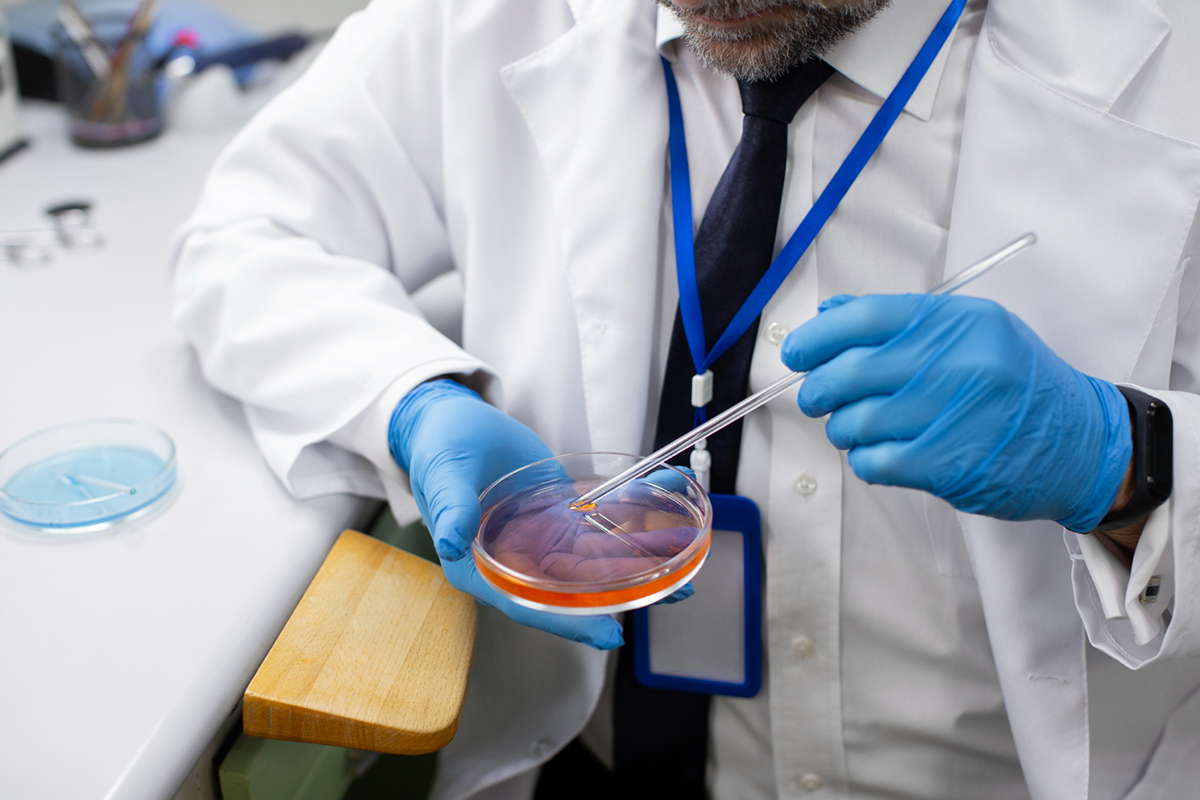
Histopathology/Cytology
-
Brush cytology or biopsy samples obtained during ERCP, EUS, or PTC help determine underlying malignancy or complex strictures.
