
Dr. Jenny Gandhi

procedure steps

1. Anesthesia and Preparation

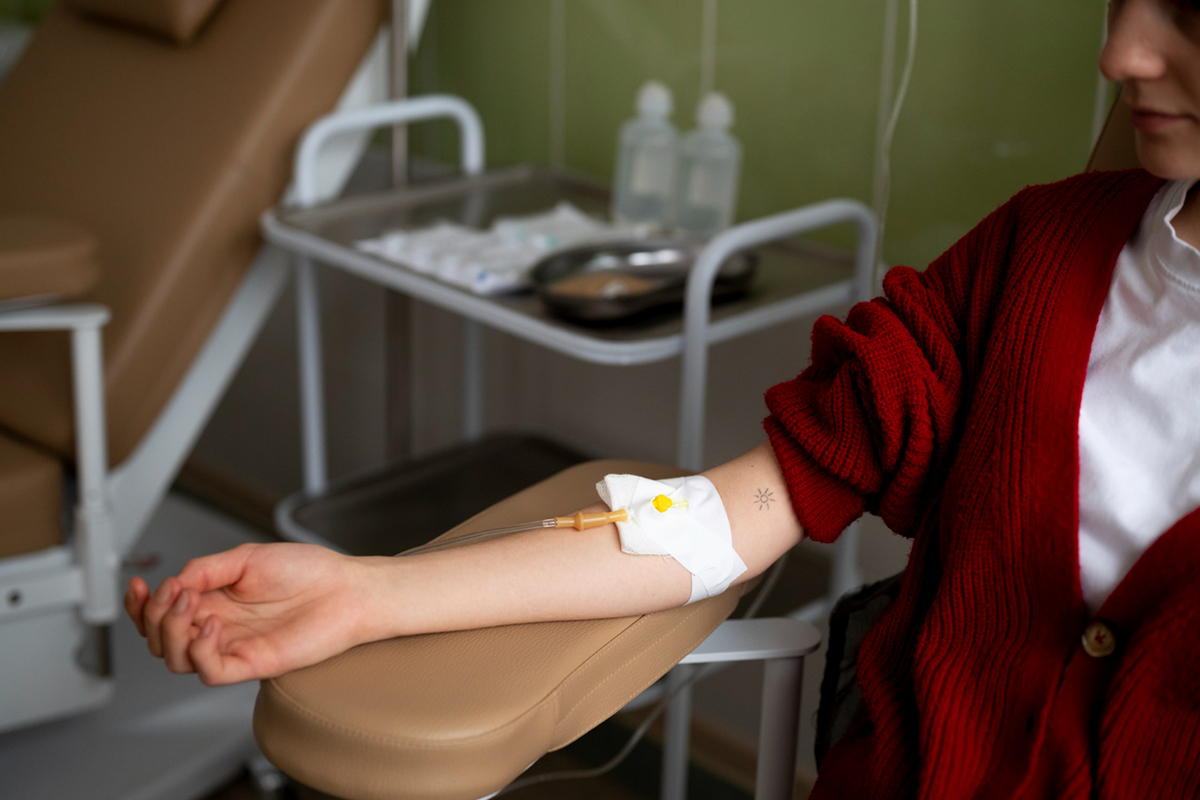
Local anesthetic is given at the vascular access location, which is typically the arm or groin, once the patient has been prepared. To help the patient relax, little sedation may be administered.
2. Guidewire Insertion and Vascular Access

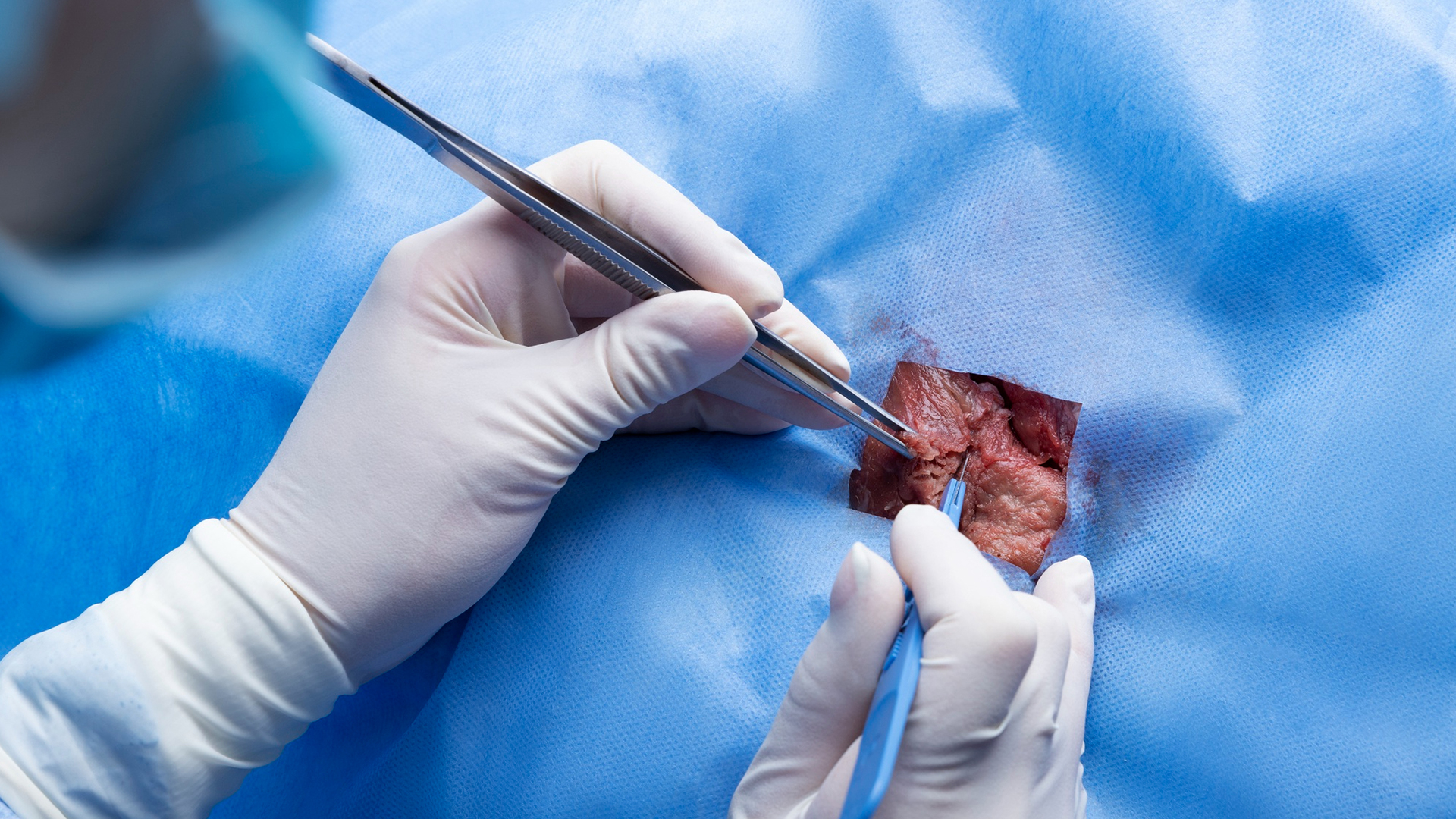
A catheter with a guidewire is introduced into the artery after a little incision is created. The guidewire is moved to the location of arterial plaque or obstruction by passing through the blood arteries.

3. Catheter Imaging and Navigation

The atherectomy catheter is guided to the constricted or calcified arterial segment using fluoroscopy, a real-time X-ray. To see the lesion, contrast dye may be injected.

4. Removal of Plaque

A cutting, grinding, or laser device at the catheter tip is triggered based on the kind of atherectomy (rotational, directed, orbital, or laser). This restores vascular patency by shaving, grinding, or vaporizing the plaque.

5. Flushing or Gathering Debris

To stop embolism downstream, the catheter system collects or flushes away the debris produced during plaque removal.

6. Evaluation and Supplemental Treatment

To further open and sustain the artery following an atherectomy, angioplasty (balloon dilation) or stent implantation may be carried out.

7. Hemostasis and Catheter Removal

The catheter and guidewire are taken out after the surgery is finished. A bandage or closure device is placed on the access site when pressure is applied to halt the bleeding.

8. Monitoring Following the Procedure

Vital signs, access site bleeding, and any consequences are all observed in the patient. Usually, recovery entails observation for several hours or perhaps overnight.

disease treated

Critical Limb Ischemia

Lorem Ipsum is simply dummy text of the printing and typesetting industry.

Mesenteric Ischemia

Lorem Ipsum is simply dummy text of the printing and typesetting industry.

suitable for

Individuals with Fibrotic or Highly Calcified Arterial Lesions

Balloon angioplasty alone may not be successful for ideal candidates with complex plaque morphology because of hard, calcified deposits that need to be modified before dilatation or stenting.

Individuals suffering from peripheral arterial disease

People with PAD symptoms, such as claudication or critical limb ischemia, who have lesions that are resistant to routine angioplasty or stenting, particularly lengthy or eccentric lesions.

Individuals with Lesions Unresponsive to Balloon Angioplasty

When balloon angioplasty is unsuccessful or inappropriate, atherectomy might be used as a primary or adjunctive treatment.

Patients Needing to Prepare Their Lesions for Complicated Interventions

For example, in chronic complete occlusions, unprotected left main disease, ostial lesions, or while getting ready to implant a bioresorbable scaffold.

Individuals suffering with In-Stent Restenosis

By debulking proliferative tissue, atherectomy can sometimes help treat restenotic lesions inside previously implanted stents.

benefits

Faster Recovery with Minimal Invasiveness

Instead of requiring open surgery, an atherectomy is carried out through a tiny puncture, which results in less pain, a decreased chance of complications, and a speedy return to normal activities, typically the same day or within a few days.

Efficient Elimination of Plaque

Atherectomy physically eliminates or debulks plaque, making the artery more open and possibly lowering the risk of restenosis, in contrast to balloon angioplasty, which presses plaque against the arterial wall.

Enhanced Blood Flow and Reduction of Symptoms

By greatly enhancing circulation, an atherectomy relieves symptoms of peripheral artery disease, including numbness, coldness, leg discomfort (claudication), and non-healing wounds.

Aids in Preventing Amputations

Athectomy lowers the risk of serious infections and tissue loss by reestablishing blood flow to the limbs, which can ultimately avert limb amputation in cases of severe PAD.

Beneficial for Calcified and Complex Lesions

It improves technical success and results by treating stubborn, calcified, or long-segment blockages that are challenging to treat with balloon angioplasty alone.

Improved Stenting Preparation

When necessary, plaque removal with atherectomy can maximize stent expansion and make stent implantation simpler.

Decreased Issues In contrast to surgery

For many people, atherectomy is a safer option than open surgery since it causes less blood loss, less discomfort, and fewer infections.

post-treatment recovery

Quick Post-Procedure Care
After an atherectomy, patients often lie in bed for 12 to 24 hours to allow for the initial healing process and to monitor the access site and vital signs.
Depending on their condition, some would return home the same day, while others might stay overnight.
Limitations on Activities
For at least seven days, refrain from impact activities, intense exercise, and heavy lifting.
To preserve circulation and avoid blood clots, light walking and mild movements are advised at an early age.
Management of Pain and Discomfort
Near the vascular access site, mild discomfort, bruising, or tenderness are typical and often go away in a few days.
When necessary, over-the-counter or prescription drugs can be used to treat pain.
Improvement of Symptoms
Soon after the surgery, the majority of patients report symptom alleviation, including less leg discomfort and increased mobility.
But it could take weeks or months for artery repair and full recovery.
Subsequent Visits
Frequent imaging and clinical evaluation follow-ups track arterial patency and identify restenosis early.
Maintaining benefits requires adherence to prescription regimens and lifestyle changes.
Resuming Regular Activities
In a few days, sedentary people can return to their regular jobs and activities; more physically demanding jobs might take longer to heal.

Schedule Your
Consultation Today!