
1. Placement of Catheters and Vascular Access
Usually, the femoral artery is used to get access. A guiding catheter is inserted close to the aneurysm in the parent artery.
Usually, the femoral artery is used to get access. A guiding catheter is inserted close to the aneurysm in the parent artery.
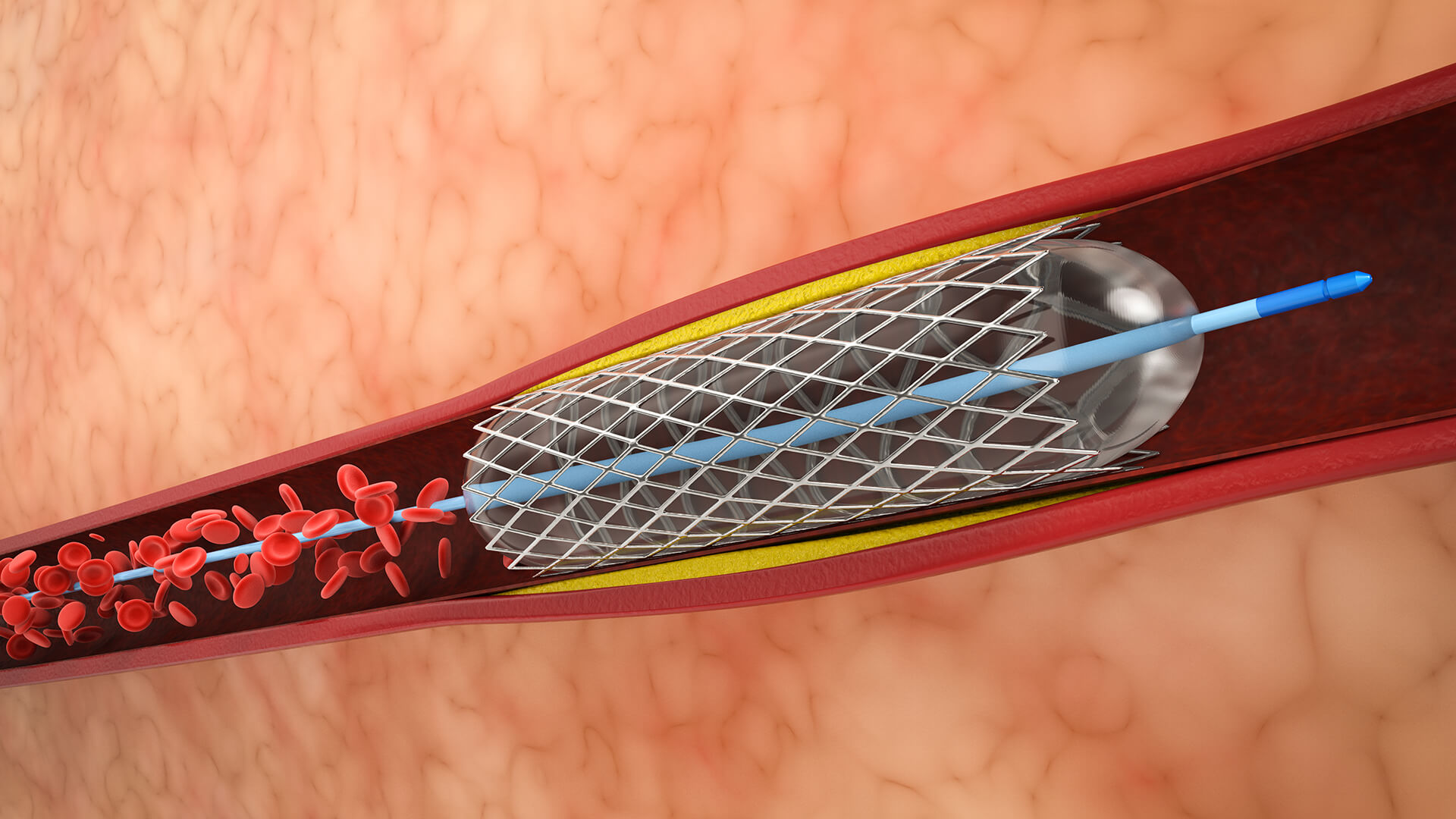
The parent artery is used to navigate and place a compliant balloon microcatheter over the aneurysm's neck.
A different microcatheter is inserted into the sac of the aneurysm. To accomplish initial coil placement, the balloon is deflated before the first framing coil is deployed.
In order to remodel the neck form and avoid coil herniation into the parent artery, the balloon is momentarily inflated across the aneurysm neck during coil deployment.
To evaluate coil stability and make sure there is no prolapse prior to coil separation, the balloon is periodically deflated.
Following final angiographic runs to verify total aneurysm closure and branch vessel preservation, balloons and microcatheters are removed after coil detachment.
In the event of a vascular rupture, tamponade is provided by immediate balloon reinflation. Pharmacological or mechanical therapies are used to quickly treat thromboembolic episodes or coil migration.
Lorem Ipsum is simply dummy text of the printing and typesetting industry.

particularly those that have a neck diameter of at least 4 mm or that include a sizable section of the parent artery.
Aneurysms at risk of coil prolapse or herniation into the parent vessel due to anatomy.
For both ruptured and unruptured aneurysms, maintaining the integrity of the parent vessel is essential.
Patients who are unable to tolerate long-term dual antiplatelet medication are examples of situations in which stent-assisted coiling is less desirable.
Both anterior and posterior circulation aneurysms where it is difficult to secure coil implantation.
During deployment, the inflated balloon prevents coils from intruding into the parent artery by acting as a mechanical barrier across the aneurysm neck.
Even in wide-neck or complex aneurysms, neck remodeling enables secure coil installation by temporarily changing and supporting the aneurysm neck.
Promotes more stable and dense coil packing inside the aneurysm sac, which may lower recurrence rates.
Suitable for a broad range of aneurysm locations and morphologies, such as bifurcation and wide-necked aneurysms.
Balloon-assisted coiling, in contrast to stent-assisted methods, typically requires less or no long-term dual antiplatelet therapy, which is advantageous for patients who are at risk of bleeding or have ruptured aneurysms.
Enables tamponade by temporarily controlling blood flow in the event that an aneurysm bursts during the surgery.
Using angiographic contrast to better define the aneurysm neck during coil deployment increases procedural accuracy.
During coil deployment, balloon inflation reduces procedural problems by acting as a safety mechanism.