
Dr. Jenny Gandhi

procedure steps

1. Positioning and Imaging of Patients

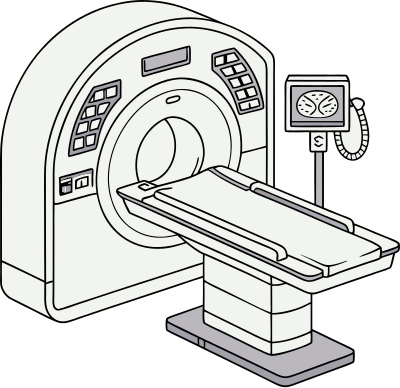
The kidney tumor is carefully located and the access site is planned using imaging, such as a CT scan, while the patient is positioned on the surgery table.
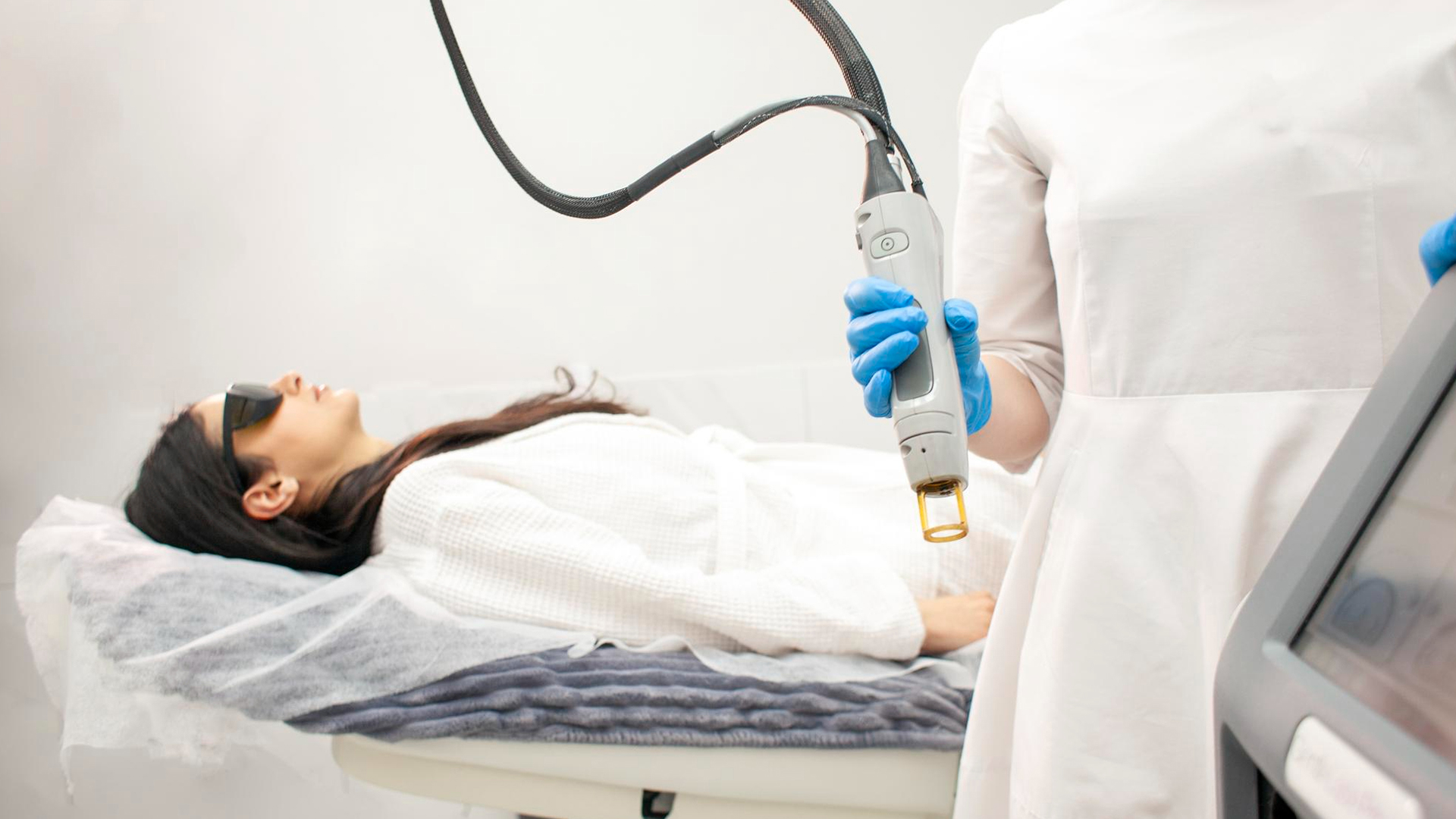
2. Skin Preparation and Anesthesia

After sterilizing the skin above the access site, the area is numbed with local anesthetic. For the comfort of the patient, general anesthesia or conscious sedation may occasionally be used.

3. Insertion of a Probe

Under imaging guidance, one or more cryoablation probes are inserted directly into the tumor through a tiny skin puncture or incision.

4. Cycles of Freezing

Pressurized argon gas is delivered via the probes to produce intense cold and an ice ball that freezes the tumor. This is carried out via freeze-thaw cycles that alternate and usually last 30 minutes.

5. Tracking the Size of Ice Balls

During freezing, imaging is done periodically to keep an eye on the growth of the ice ball and make sure the tumor is completely covered while safeguarding surrounding organs.

6. Finalization and Recuperation

Following freezing, the probes are taken out, the entrance site is compressed, and a dressing is applied. After a brief stay or the same day, the patient is typically released after being checked for complications.

disease treated

Renal Tumors

Lorem Ipsum is simply dummy text of the printing and typesetting industry.

Lung Tumors

Lorem Ipsum is simply dummy text of the printing and typesetting industry.

Pain From Metastatic Lesions

Lorem Ipsum is simply dummy text of the printing and typesetting industry.

suitable for

Tiny Renal Tumors

Patients with tiny kidney tumors, usually less than 4 cm in size (stage T1a or T1b), where localized treatment is effective with low invasiveness, are the main candidates for cryoablation.

Individuals Unsuitable for Surgery

Due to the increased risk of complications, it is best suited for individuals who are elderly, have serious medical conditions, or have low renal function and are therefore not candidates for standard surgery.

Nephron Preservation Is Required

Because cryoablation preserves surrounding healthy tissue, it is beneficial for patients who need to preserve kidney tissue, such as those with a single kidney or genetic disorders generating many tumors.

A substitute for surgery

Cryoablation is becoming a more viable alternative, even for younger or healthier patients who want to avoid the morbidity that comes with surgical removal.

Selecting Cases Carefully

To ensure that the tumor’s location and size are suitable for a safe and effective ablation, careful imaging and multidisciplinary assessment are necessary for effective patient selection.

benefits

Accurate Tumor Destruction

With cryoablation, kidney tumors can be precisely targeted and frozen with little harm to the surrounding healthy tissue. As much normal kidney function as feasible is preserved by this focused strategy.

Procedure with Minimal Invasiveness

Compared to typical surgery, the operation is carried out percutaneously through tiny skin punctures, which reduces discomfort, scars, and recovery time. After a brief hospital stay, many patients return home the same day.

Maintaining Renal Function

Even in patients with a single kidney or impaired renal function, cryoablation effectively cures malignancies while preserving overall kidney function.

Minimal Rate of Complications

According to studies, cryoablation is a safer choice for people who are unfit for invasive operations because it has less side effects than surgery, such as bleeding or urine leakage.

Safety and Repeatability

In cases of recurrence, cryoablation can be safely repeated, enabling continued treatment of kidney malignancies without appreciable extra risk.

Cost-Efficiency

Due to shorter hospital stays and fewer complications, cryoablation is more cost-effective than surgery.

Outstanding Oncologic Results

Long-term monitoring shows that cryoablation has cancer control rates that are similar to those of partial nephrectomy, with excellent survival and low recurrence rates.

post-treatment recovery

Hospitalization and Observation
Following kidney tumor cryoablation, the majority of patients can return home the same day or after a brief overnight stay.
Vital signs and urine output are monitored throughout the initial stages of recovery to guarantee stability and identify any potential problems.
Management of Pain and Discomfort
Although it usually goes away in a few days, some discomfort or bruising at the probe insertion site is normal.
Pain can typically be controlled with over-the-counter or prescription drugs.
Returning to Activities Gradually
It is recommended that patients refrain from physically demanding activities for a period of one to two weeks.
Depending on how well each person recovers, many can resume mild daily activities in a few days and return to their regular routines in one to two weeks.
Imaging and Assessment Follow-Up
To verify full tumor treatment and keep an eye out for recurrence, routine follow-up imaging, such as CT or MRI, is crucial.
The treating physician sets this imaging schedule.
Monitoring and Treating Complications
Patients are instructed to report any odd symptoms, such as bleeding, fever, or excruciating discomfort.
Although they are uncommon, major consequences can include bleeding, infection, or damage to nearby organs.

Schedule Your
Consultation Today!