
Dr. Jenny Gandhi

procedure steps

1. Getting Ready and Getting Access

In a sterile setting, the patient is positioned and prepared. The access site, typically the wrist or groin is where local anesthetic is given. To introduce a vascular sheath, a little incision is made.

2. Guidewire Progress

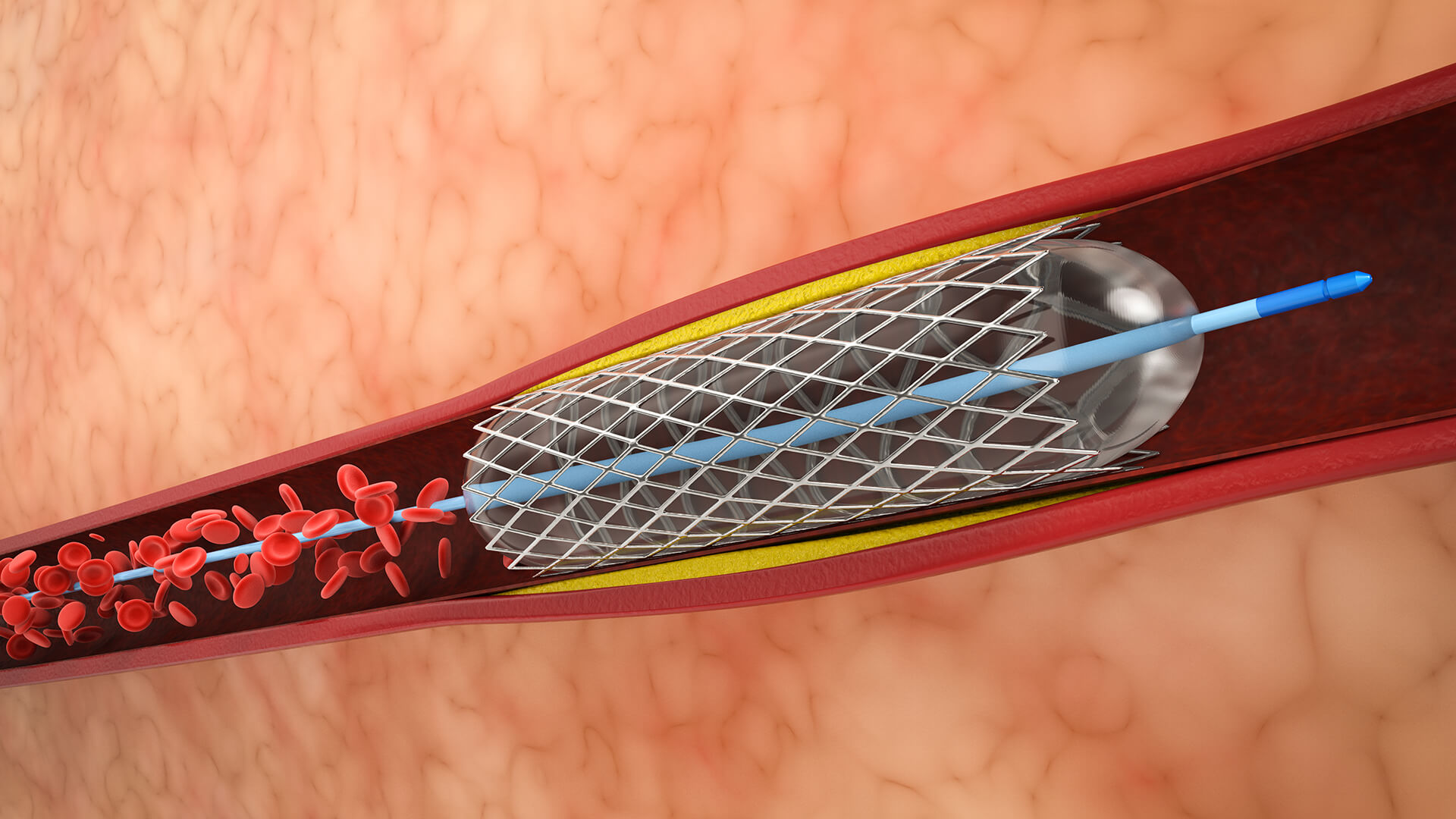
The location of the arterial constriction or restenosis is reached by carefully passing a guidewire through the blood arteries.

3. Predilation

To widen the constricted artery and get the vessel ready for medication distribution, a normal balloon angioplasty may be carried out first. In order to push the plaque away, a standard balloon is inflated at the location.

4. Placement of Drug-Eluting Balloons

The target lesion is reached by advancing the drug-coated balloon catheter across the guidewire.

5. Drug Delivery and Balloon Inflation

The drug-eluting balloon is inflated at nominal pressure for around 30 to 60 seconds. The antiproliferative medication (usually paclitaxel) can be directly transferred from the balloon surface to the arterial wall thanks to this inflation.

6. Removal of Balloons and Catheters

The balloon and catheter are withdrawn once the medication is administered.

7. Closure and Hemostasis

The access site is bandaged when pressure is applied to halt the bleeding. If necessary, closure mechanisms may be employed.

8. Observation Following the Procedure

After being checked for any immediate issues, the patient is kept under observation as they heal.

disease treated

Peripheral Arterial Occlusive Disease

Lorem Ipsum is simply dummy text of the printing and typesetting industry.

Critical Limb Ischemia

Lorem Ipsum is simply dummy text of the printing and typesetting industry.

Mesenteric Ischemia

Lorem Ipsum is simply dummy text of the printing and typesetting industry.

suitable for

In-Stent Restenosis (ISR)

DEB angioplasty reduces the dangers associated with multiple stents by effectively treating restenosis within previously implanted stents without the need for additional metal layers.

Disease of Small Vessels

appropriate for coronary arteries with a diameter of less than 3.0 mm, where restenosis rates and stent insertion hazards are greater; DEB administers antiproliferative medications while minimizing vascular damage.

Bifurcation Damage

Drug delivery and vascular dilatation are made possible without the need for a side branch stent in complex bifurcation sites where stenting might be difficult.

Native De Novo Coronary Lesions

There is growing evidence that DEB-only angioplasty can reduce foreign body implantation, preserve vessel vasomotion, and treat some new lesions.

Individuals Who Are Not Eligible for Extended Dual Antiplatelet Therapy

Those who are at high risk of bleeding can benefit from DEB’s ability to shorten the period of necessary antiplatelet medication by avoiding stent implantation.

PAD, or peripheral artery disease

Additionally, DEB angioplasty is employed in peripheral arteries (such as the iliac and femoral) to minimize stent-related problems and prevent restenosis.

Treatment of Complex Lesions

DEB offers a potentially safe and effective substitute for stent implantation in lesions that are prone to restenosis.

benefits

No Permanent Implant Remains When

DEBs are removed after delivering antiproliferative medications directly to the artery wall during inflation, no metal scaffold is left behind. This lessens the long-term problems linked to stents by maintaining the natural flexibility and architecture of the vessels.

Reduced Risk of Inflammation and Late Thrombosis

The danger of delayed blood clots (late stent thrombosis) and chronic inflammation associated with stent implants is reduced in the absence of a permanent foreign body.

Promotes Natural Healing of Vessels

Better spontaneous healing and constructive remodeling of the vessel wall are made possible by the absence of mechanical stress from stents.

Efficient in Complicated Lesions

When stent implantation is difficult or unwanted, DEBs can be used to treat in-stent restenosis, small vessel disease, bifurcation lesions, and several peripheral artery diseases.

Decreased Requirement for Extended Dual Antiplatelet Treatment

Compared to stent-based therapies, patients frequently need antiplatelet drugs for shorter periods of time, which lowers the risk of bleeding.

Lower Rates of Target Lesion Revascularization

DEBs improve long-term vessel patency by lowering restenosis rates when compared to balloon angioplasty alone.

Preserves Vessel Function and Vasomotion

DEBs help maintain vascular function, especially the capacity for vasodilation and constriction, by avoiding permanent implants.

post-treatment recovery

Immediate Post-Procedure Care
Patients are monitored initially in a recovery area for vital signs and access site complications such as bleeding or swelling.
Most patients can be discharged the same day or within 24 hours depending on overall health status.​
Wound Care and Activity
Keep the puncture site clean and dry for 24 to 48 hours after the procedure.
Avoid strenuous activity, heavy lifting, and vigorous exercise for at least one week.
Light walking and gradual return to daily activities are encouraged to promote circulation.​
Medication Adherence
Antiplatelet therapy is crucial post-DEB angioplasty to prevent thrombosis and promote vessel healing; patients must strictly follow prescribed medications and schedules.
Handling Symptoms
It is typical for the access site to have some bruising, tenderness, or discomfort, which normally goes away in a few days.
Any discomfort may be controlled with over-the-counter painkillers.
Monitoring and Extended Care
In order to evaluate clinical symptoms and vascular patency, patients usually have follow-up sessions within a few weeks.
Long-term lifestyle changes that promote vascular health and lower the chance of recurrence include diet, exercise, and quitting smoking.
Timeline for Recovery
With complete cardiovascular rehabilitation as recommended, the majority of patients resume employment and regular activities three to seven days after the surgery.
Similar to normal angioplasty, DEB angioplasty provides effective recovery with advantages unique to the condition.

Schedule Your
Consultation Today!