
Dr. Jenny Gandhi

procedure steps

1. Getting the Patient Ready and Observing

Heart rate, blood pressure, oxygen saturation, and pulse monitoring equipment are linked while the patient is positioned. Anesthesia or sedation is administered as required.
2. Access to Vascular

A catheter is put under local anesthesia into a blood vessel (vein or artery) after a minor incision is made, typically in the wrist or groin.

3. Navigation of Catheters

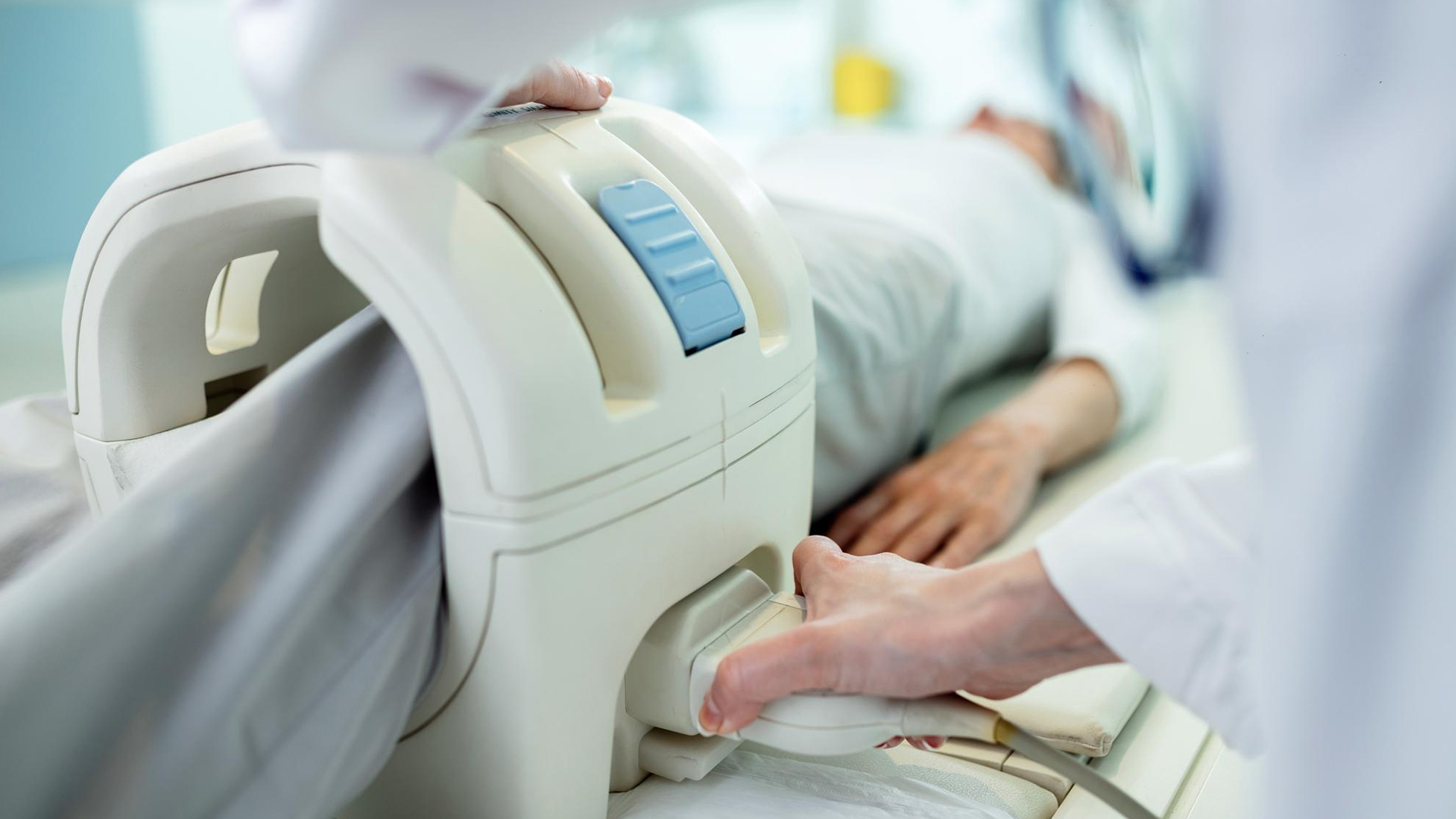
The catheter is moved through the vascular system to the target blood vessel that is causing bleeding, tumor blood supply, or vascular malformation using imaging guidance such as fluoroscopy, ultrasound, CT, or MRI.

4. Angiography for Diagnosis

In order to see the blood vessels and verify the location and size of the lesion or bleeding, contrast dye is injected.

5. Extra Imaging

Contrast is used in post-embolization imaging to verify effective blood flow stoppage and vascular blockage.

6. Hemostasis and Catheter Removal

To stop the bleeding, the catheter is removed and the access site is compressed. It is possible to utilize closure devices.

7. After-Procedure Care

For issues like discomfort, bleeding, or ischemia, the patient is closely watched. The degree and location of embolization determine the healing time.

disease treated

Arteriovenous Fistulas

Lorem Ipsum is simply dummy text of the printing and typesetting industry.

suitable for

Individuals with Aneurysms and Vascular Deformities

individuals who require targeted vascular occlusion due to aberrant blood vessel forms such as aneurysms or arteriovenous malformations (AVMs).

Refractory Severe Bleeding

Patients with acute or chronic bleeding from trauma, gastrointestinal causes, or uterine fibroids not managed by traditional therapies.

Candidates for Tumor Treatment

tumors (such as hepatic, kidney, or uterine fibroids) that need to be devascularized in order to lessen symptoms or the danger of intraoperative bleeding.

Individuals suffering from Pelvic or Venous Congestion Syndromes

It can alleviate symptoms and problems in certain cases of varicocele, pelvic congestion, or varicose vein embolization.

Men with symptomatic prostate enlargement

who match certain criteria and have not responded to medical therapy are considered to have benign prostatic hyperplasia (BPH).

Patients with osteoarthritis

Genicular artery embolization may be beneficial for certain individuals with persistent knee pain who are not responding to conservative therapies.

benefits

Procedure with Minimal Invasiveness

By avoiding huge incisions and significant surgery, embolization is carried out with a little needle puncture, which results in less discomfort and scars.

Specific Therapy

It minimizes harm to nearby healthy tissues for more successful treatment by accurately delivering embolic chemicals to the aberrant or bleeding arteries.

Decreased Chance of Issues

Embolization is safer for high-risk individuals and has less consequences and infection risk than surgery.

Reduced Recuperation Time

Unlike more invasive surgical procedures, most patients heal quickly and can resume their regular activities in a few days.

Efficient Management of Bleeding

Embolization prevents potentially fatal bleeding by quickly controlling acute or chronic bleeding caused by trauma, tumors, or vascular abnormalities.

A substitute for surgery

Embolization offers a non-surgical approach with similar efficacy and lower morbidity for a variety of disorders, including uterine fibroids, BPH, hemorrhoids, and tumors.

Relieving Symptoms and Preserving Organs

It decreases tumors or fibroids, lessens symptoms like pain and bleeding, and maintains organ function, often preventing removal.

Convenience of Outpatient

In order to improve patient comfort and convenience, many embolization procedures are performed as outpatient operations or necessitate brief hospital stays.

post-treatment recovery

A brief hospital stay and observation
Depending on the intricacy and embolization site, most patients are observed for a few hours to 24 to 48 hours after the treatment.
Vital signs and access site bleeding are the main areas of observation.
Limitations on Activities
Over the course of the following several days, patients should gradually resume their activities after resting for the first twenty-four hours.
Driving, heavy lifting, and intense exercise are typically prohibited for a few days to a week.
Management of Pain and Discomfort
Prescription or over-the-counter medicines can be used to treat the common mild pain, cramps, or soreness that occurs close to the embolization site and lasts for days to two weeks.
Monitoring Symptoms
Shortly after the procedure, some individuals may have a little temperature, nausea, or exhaustion.
Usually, symptoms go away in a few days or weeks.
Wound Management
Make sure the puncture site is dry and clean.
Patients should keep an eye out for symptoms of infection or persistent bleeding, but most sites heal nicely without stitches.
Resuming Regular Activities
In one to two weeks, many patients resume their regular activities.
The embolization site and the state of treatment determine the total recovery duration.
Aftercare
To track the effectiveness of treatment and identify problems early, routine follow-ups with imaging and clinical evaluation are crucial.

Schedule Your
Consultation Today!