1. Setting Up and Arranging
Depending on the vein to be treated, the patient is positioned comfortably, typically face up or down. To avoid infection, the surgery area is cleaned and prepared with an antiseptic solution.
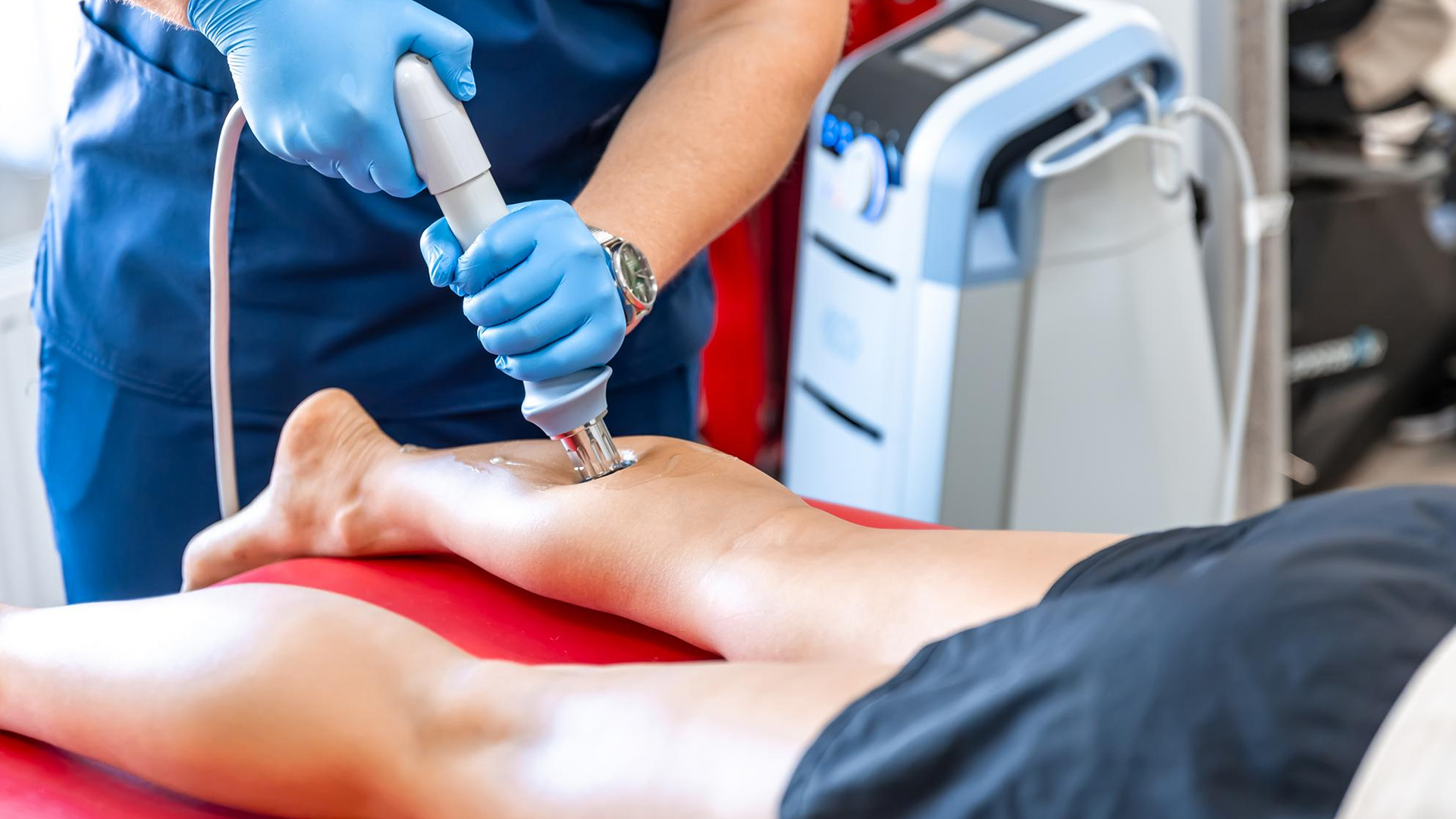
Depending on the vein to be treated, the patient is positioned comfortably, typically face up or down. To avoid infection, the surgery area is cleaned and prepared with an antiseptic solution.
The target vein is mapped and the cannulation procedure is guided in real time using a duplex ultrasonography, which guarantees accurate tool placement at each stage.
In order to reduce pain and to compress the vein surrounding the laser fiber for better results, local anesthetic is administered along the vein, numbing the region from the groin to the ankle.
Under ultrasound guidance, a needle is placed into the afflicted vein. To create a passage for the laser fiber, a guidewire and a sheath—a thin tube—are inserted into the vein.
The laser fiber is inserted through the sheath and positioned carefully along the target vein's length, usually near the point where the main branches converge.
Multiple tiny needle punctures are used to administer more tumescent (diluted) anesthetic around the vein. This compresses the vein for the best ablation while protecting the surrounding tissues.
The laser machine is turned on after ultrasound confirmation. The vein walls collapse and seal shut as the fiber is gradually pulled back down the vein, delivering heat energy.
The sheath and laser fiber are taken out. The puncture site is covered with a little dressing or compression bandage. Soon after the treatment, the patient is urged to walk, and regular activities are resumed, with the exception of brief periods of intense exertion.
Lorem Ipsum is simply dummy text of the printing and typesetting industry.

Patients with varicose veins who have symptoms like discomfort, edema, heaviness, exhaustion, or skin changes should consider EVLT.
Candidates should have duplex ultrasound-confirmed reflux in the great saphenous vein (GSV) or small saphenous vein (SSV), with reflux duration usually more than 500 milliseconds, indicating valve failure
In order to accommodate the laser fiber and accomplish successful closure, the treated vein should have a diameter of at least 2.5 mm.
EVLT is a suitable option for patients who, after several months, have not progressed with non-invasive treatments like compression stockings.
Compared to conventional vein stripping surgery, EVLT causes less tissue damage, less discomfort, and less scarring because it only requires a little incision and doesn’t require general anesthesia.
EVLT is convenient for busy lifestyles because patients usually return to regular activities within 24 to 48 hours and frequently return to work fast.
Clinical research shows that over 90% of patients have successful, long-lasting varicose vein closure, which greatly reduces symptoms like pain, edema, and heaviness.
Over-the-counter painkillers are frequently used to relieve the procedure’s moderate discomfort during and after treatment, which is well tolerated.
EVLT makes bulging varicose veins disappear, giving legs a smoother, healthier appearance and boosting self-esteem.
Because EVLT is less invasive than standard surgery, it has a lesser risk of bleeding, infection, and other problems.
EVLT is an outpatient procedure that doesn’t require hospitalization, therefore patients can go home the same day.