
1. Patient Positioning
To provide flank access, the patient is placed prone with support rolls.
To provide flank access, the patient is placed prone with support rolls.
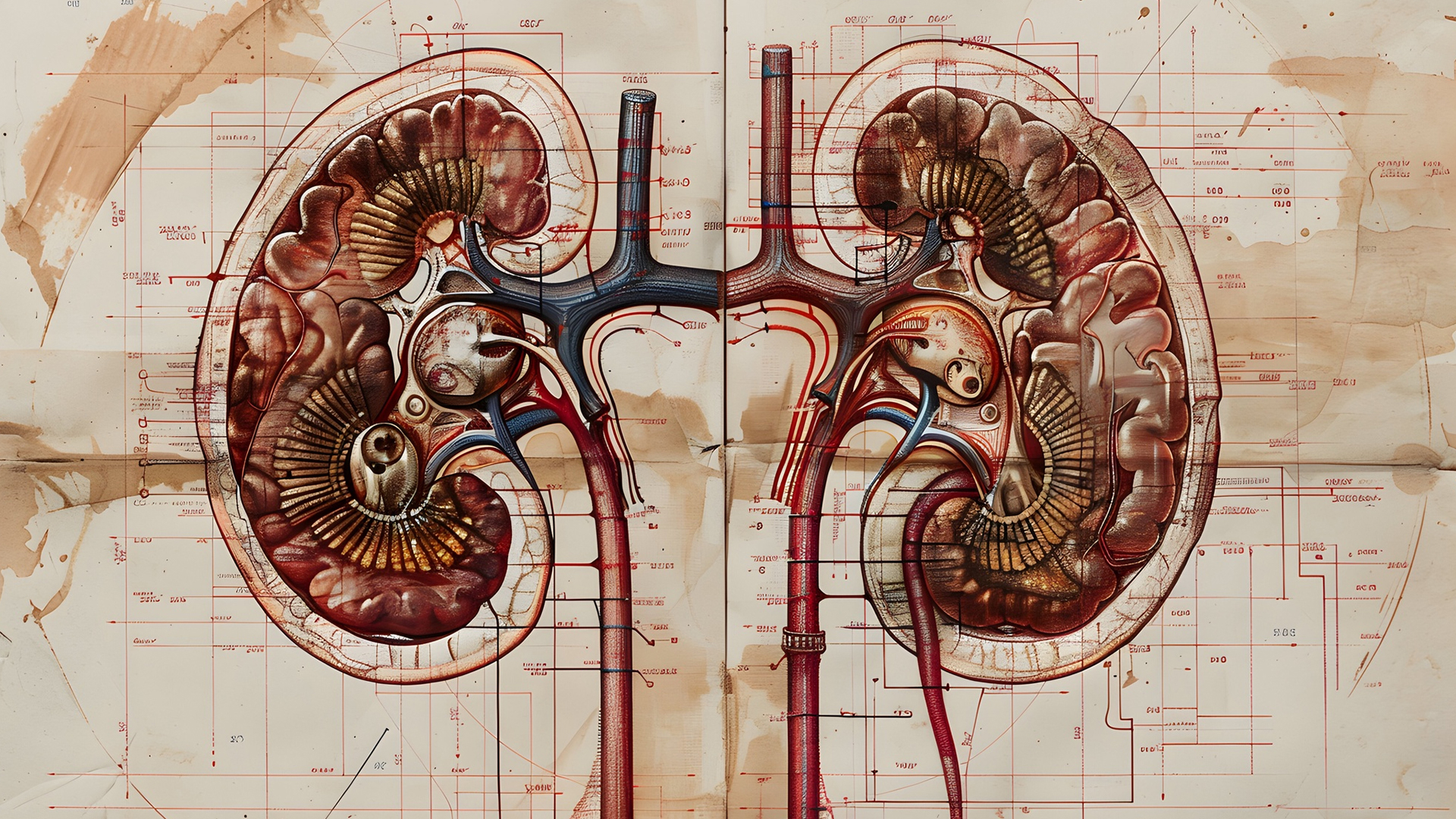
To prevent visceral harm, a "quadrangle of safety" is indicated for needle entrance.
A posterior calyx for puncture, usually a lower or middle pole calyx, is located using ultrasound or fluoroscopy.
The puncture site is infused with local anesthetic.
Using imaging guidance, a needle is inserted into the chosen calyx until urine is aspirated.
A guidewire is put into the upper ureter or renal pelvis using a needle.
To make room for the nephrostomy tube, the access tract is gradually dilated using dilators.
The catheter is placed into the renal pelvis above the guidewire and fastened externally with adhesive dressings and sutures.
To ensure that the drainage is attached and the catheter is placed correctly, contrast dye may be injected.
After the surgery, the area is checked for infection or bleeding. Hematuria and pain are normal, however they usually go away fast.
A guidewire is sent via the renal pelvis, down the ureter, and into the bladder via the nephrostomy tract..
The ureteral opening and tract are carefully dilated if necessary.
To bridge the obstruction, a double-J ureteral stent with one end in the renal pelvis and the other in the bladder is advanced over the guidewire.
Fluoroscopy verifies that the stent is positioned correctly.
The stent is left in place after the guidewire and catheters are taken out.
Until the obstruction is removed or additional treatments are carried out, the stent permits urine to drain.
Lorem Ipsum is simply dummy text of the printing and typesetting industry.

Patients with kidney stones, ureteral strictures, tumors, or external compression are considered to have urinary tract obstruction.
Individuals who require immediate drainage to avoid sepsis due to pyonephrosis or obstructive urinary tract infections.
Patients who have urinary obstruction-related acute renal failure require treatment to restore kidney function and urine discharge.
Urine diversion is required for the repair of ureteral lesions caused by trauma or surgery.
Patients who require percutaneous access for operations such as biopsies, ureteral dilatation, or stone removal.
Situations in which cystoscopy-based traditional ureteral stenting is either difficult or unsuccessful.
Individuals with malignant ureteral blockage who require better quality of life and symptom reduction.
Nephrostomy and ureteral stenting offer quick and efficient relief from kidney blockage and infection symptoms. These treatments lessen the excruciating pressure accumulation inside the kidney by allowing urine to drain normally, relieving agony and averting additional harm.
By guaranteeing urine flow and decompressing the urinary system, these therapies aid in maintaining kidney health. This protects overall renal function by lowering the risk of kidney injury or failure that may arise if a blockage is not addressed.
In order to limit tissue damage and shorten recovery times, both procedures are carried out with tiny incisions under imaging guidance. Compared to open surgery, this less invasive method causes fewer problems, less discomfort, and shorter hospital stays.
Because it enables efficient drainage of infected urine, nephrostomy is especially helpful in cases with infected urinary blockage. When paired with the right medications, this drainage aids in the management and resolution of diseases like pyonephrosis, preventing systemic spread like sepsis.
Nephrostomy provides access to the kidney for further procedures such as tumor biopsy or stone extraction. Ureteral stents enable continuous management without the need for external drainage bags by maintaining an internal urinary route to avoid blockages.
Because ureteral stenting eliminates the need for external tubes, patients find it more convenient and comfortable. Both operations improve everyday functioning and mobility by relieving uncomfortable symptoms, particularly when used as palliative measures for blockages caused by cancer.