
Dr. Jenny Gandhi

procedure steps

1. Anesthesia and Preparation

Local anesthesia or sedative is used to prepare the patient. Vital indicators are tracked by attached monitoring devices.
2. Access to Vascular

To reach a big vein like the femoral or internal jugular vein, a little skin incision is usually performed close to the neck or groin.

3. Insertion and Navigation of Catheters

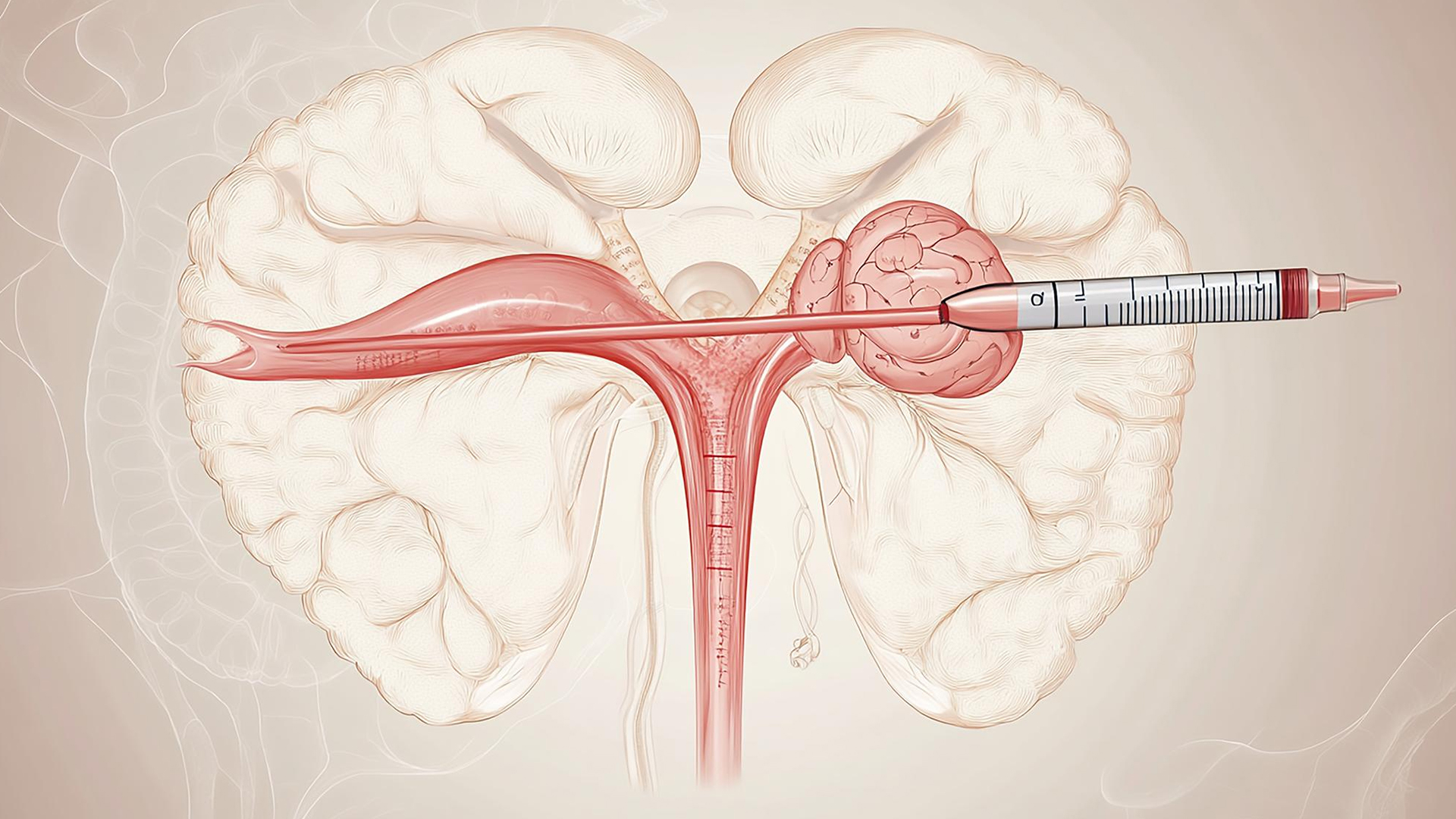
A tiny catheter is inserted via the venous system to the ovarian veins under fluoroscopic (X-ray) guidance, where it is evaluated for reflux or dilatation.

4. Diagnosis and Venography

To see vein anatomy and verify reflux or varicosities in the ovarian or pelvic veins, contrast dye is injected.

5. Embolization

To block the incompetent ovarian vein and any related pelvic veins that are causing symptoms, embolic materials including coils, plugs, liquid sclerosing agents, or glue are inserted through the catheter.

6. Confirmation

Further venograms (imaging) verify that reflux has stopped and that vein blockage has been successful. Techniques for balloon occlusion can be utilized to enhance targeting and stop embolic agent movement.

7. Finalization

To stop bleeding, the catheter is removed and pressure is administered at the access site. The tiny cut on the skin is covered.

8. Monitoring Following the Procedure

Patients are typically released the same day after being monitored for problems for a few hours.

disease treated

Pelvic Congestion Syndrome

Lorem Ipsum is simply dummy text of the printing and typesetting industry.

Ovarian Vein Insufficiency

Lorem Ipsum is simply dummy text of the printing and typesetting industry.

suitable for

Women who experience persistent pelvic

Pain due to pelvic venous insufficiency, as evidenced by reflux or dilatation of the ovarian and pelvic veins, are said to have Pelvic Congestion Syndrome (PCS).

Individuals with Varicosities and Venous Reflux

Women who have pelvic varicosities, vulvar varices, or leg varicosities of pelvic origin due to ovarian vein reflux, as determined by diagnostic imaging techniques like venography or Doppler ultrasonography.

Individuals with Lower Limb Varicosities Associated

Individuals with Lower Limb Varicosities Associated with Pelvic Venous Disease Symptoms

As part of comprehensive venous treatment, certain individuals with lower limb varicose veins that are partially caused by pelvic venous insufficiency are chosen for ovarian vein embolization.

Individuals Unresponsive to Conservative Treatment

Candidates are those with proven venous insufficiency who have not responded to pharmacologic treatments, such as hormone therapy or analgesics.

Appropriate Applicants Based on Venography and Imaging

Venous diameter more than 6 mm, reflux lasting longer than 20 seconds, pelvic venous congestion, or filling of pelvic varices with reflux are the criteria used to make the diagnosis.

Individuals without active infections or contraindications

The majority of individuals who meet the aforementioned criteria are candidates; however, active pelvic infections and contrast material allergies are contraindications.

benefits

Minimally Invasive Procedure

OVE results in less discomfort, fewer complications, and shorter hospital stays because it is carried out through a tiny skin puncture without requiring extensive surgery.

Highly Effective Symptom Relief

With reported success rates of over 80–85% worldwide, OVE effectively cures pelvic congestion syndrome (PCS), alleviating varicosities, pelvic heaviness, and chronic pelvic discomfort.

Quick Recuperation

OVE is a practical substitute for surgical treatments because patients frequently return home the same day and swiftly resume their regular activities.

Decreased Risk of Infection and Bleeding

OVE has a reduced risk of blood loss, infection, and other surgical problems because it does not require open surgery.

Enhancement of Life Quality

Patient well-being and physical function are enhanced when varicose veins and chronic pelvic pain are relieved.

Handles Pelvic Vein Reflux

focuses on symptoms caused by dysfunctional ovarian and pelvic veins, which are challenging to treat medically.

Repeatable and Economical

OVE typically requires fewer hospital resources and is more economical than surgery. If needed, it can be done again.

Very little scarring

There are no obvious scars or long-term cosmetic issues because the surgery simply leaves a tiny puncture hole.

post-treatment recovery

Recovery Time
After ovarian vein embolization, most patients are able to return to their regular activities within one to two weeks.
Hospitalization
The process is frequently carried out as an outpatient or with an overnight hospital stay for monitoring.
After the procedure, patients recover for a few hours before being released, and the majority return home the same day.
Handling Symptoms
In the days after embolization, mild pelvic pain, cramps, or bruising at the catheter insertion site are typical.
These symptoms are usually well managed by over-the-counter painkillers.
Limitations on Activities
For at least a week, patients are recommended to refrain from heavy lifting, intense exercise, and extended sitting or standing.
To improve circulation, walking gently is advised.
Monitoring and Follow-Up
In order to evaluate symptom relief and vein closure on imaging, follow-up appointments often take place one to three months following embolization.
If symptoms don't go away, some individuals could need further embolization.
Timeline for Symptom Improvement
Although optimum treatment may take many months due to venous circulation, many patients experience symptom relief, such as decreased pelvic discomfort and heaviness, within one to two weeks.

Schedule Your
Consultation Today!