

Dr. Jenny Gandhi

procedure steps

1. Pre-Procedure Assessment

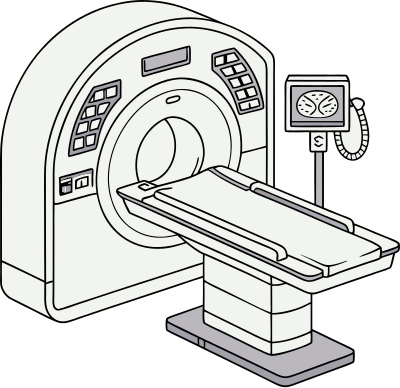
In order to examine the characteristics of the tumor and the blood flow to the liver, this stage entails comprehensive imaging such as CT or MRI. To find the arteries supplying the tumor and any aberrant blood vessel connections that could allow radioactive particles to enter non-target organs, an angiographic mapping is performed.

2. Catheter Navigation and Vascular Access

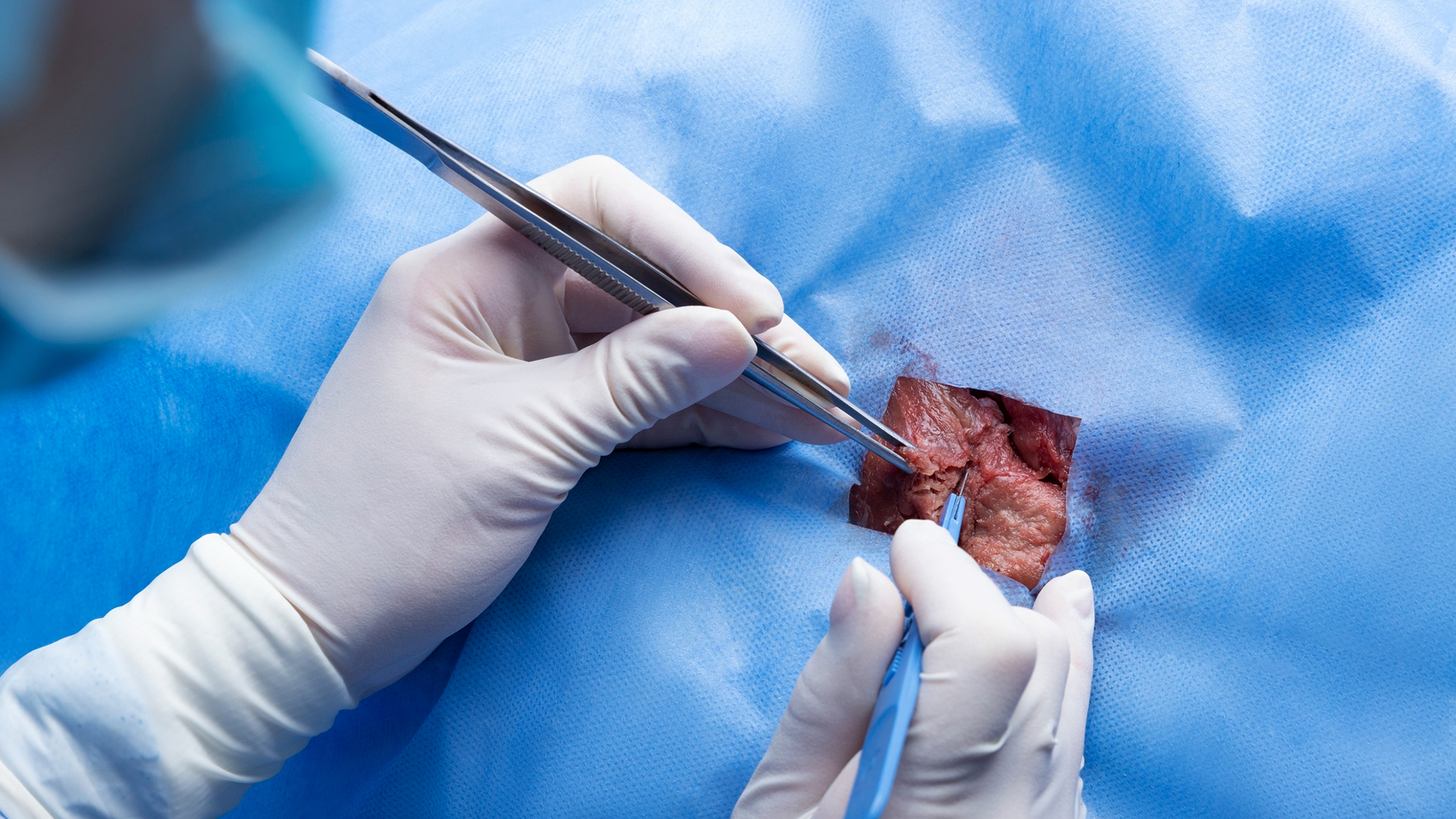
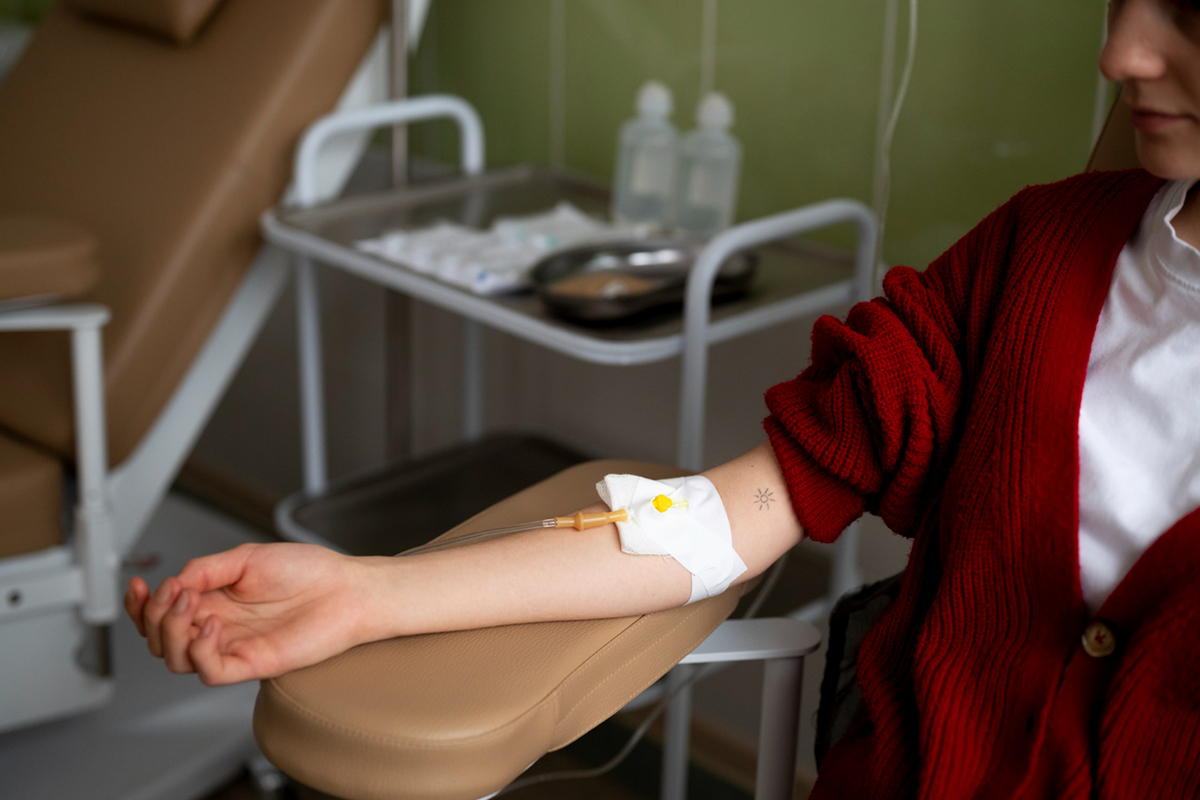
Sedation and local anesthesia are given. The femoral artery is used to introduce a catheter, which is then directed under fluoroscopy into the branches of the hepatic artery that supply the tumor. Precise targeting requires accurate location.

3. Injection of Radioactive Microspheres

The catheter is used to gradually introduce yttrium-90 radioactive microspheres into the tumor-feeding arteries. By lodging in the tumor capillaries, the microspheres emit concentrated radiation that destroys tumor cells without harming healthy liver tissue.

4. Monitoring and Follow-Up After the Procedure

Hemostasis is achieved at the access site by removing the catheter and applying pressure. The patient's acute side effects and problems are tracked. After one to three months, follow-up imaging is performed to evaluate tumor response and schedule additional therapy.

disease treated

Liver Cancer

Lorem Ipsum is simply dummy text of the printing and typesetting industry.

Renal Tumors

Lorem Ipsum is simply dummy text of the printing and typesetting industry.

Pain From Metastatic Lesions

Lorem Ipsum is simply dummy text of the printing and typesetting industry.

suitable for

Individuals with Incurable Liver Tumors

Patients with liver-dominant metastatic tumors that cannot be surgically removed or those with intermediate to advanced hepatocellular carcinoma (HCC) are the main candidates for this treatment.

Maintained Liver Function

Classified as Child-Pugh class A or early B, candidates usually have intact liver function, guaranteeing sufficient hepatic reserve.

Excellent Performance Status

Patients should be able to tolerate the surgery well if their ECOG performance level is between 0 and 2.

Beneficial Anatomy of the Hepatic Arteries

Yttrium-90 microspheres must be delivered selectively to the hepatic artery in order to target the tumor and spare healthy tissue.

Presence of Portal Vein Thrombosis

When portal vein thrombosis is present, TARE is favored to TACE because it results in less ischemia.

Utilization in Bridging Therapy

It is appropriate for individuals who are waiting for a liver transplant to manage the growth of their tumors.

benefits

Minimally Invasive Procedure

TARE is a minimally invasive procedure that uses a “pinhole” catheter method, which eliminates the need for open surgery and speeds up recovery.

Specific Internal Radiation

By delivering strong radiation doses straight to the liver tumors, the yttrium-90 microspheres maximize tumor cell killing while protecting the surrounding healthy liver tissue.

Better Management of Tumors

Compared to some other local therapies, TARE achieves superior disease management and treatment response rates, which aid in tumor shrinkage and decrease disease progression.

Positive Safety Profile

Compared to transarterial chemoembolization (TACE), patients usually have less adverse effects, such as fever and abdominal pain.

Suitability with Portal Vein Thrombosis

Unlike embolization alone, TARE does not result in ischemia, making it safer and more effective for patients with portal vein invasion.

Possibility of Combination Therapy

For improved therapeutic results, TARE can be successfully paired with other cancer treatments like chemotherapy or ablation.

Option for Bridging and Downstaging

It can be used as a bridge therapy while patients wait for a liver transplant or to downstage tumors.

Enhanced Survival and Quality of Life

After receiving TARE treatment, patients frequently report symptom reduction, enhanced quality of life, and extended overall survival.

post-treatment recovery

Quick Recuperation
Following the treatment, patients are usually kept in a recovery area for two to six hours while their vital signs, discomfort, nausea, and any bleeding from the catheter insertion site are monitored.
Once stable, the majority of patients can return home the same day, however some might need to be observed overnight.
Syndrome Following Embolization
Fatigue, low-grade fever, nausea, vomiting, and mild abdominal pain are common symptoms of post-embolization syndrome, which typically lasts one week but can sometimes last longer.
With prescription drugs, these symptoms are usually controllable.
Safety Measures for Radiation
Patients may be recommended to avoid close physical contact with others, particularly pregnant women and children, for a brief period following the surgery because the radioactive microspheres continue to produce radiation for several days to weeks.
Resuming Regular Activities
Most patients return to their regular daily activities within a week to ten days, although fatigue may initially limit activity.
Depending on the advise of the treating physician, driving and intense physical activity may be prohibited for a few days.
Monitoring Follow-Up
One to three months after the procedure, routine follow-up often consists of blood tests and imaging (CT or MRI) to assess liver function and tumor response.
These findings may lead to the scheduling of additional therapies.

Schedule Your
Consultation Today!