Dr. Jenny Gandhi

procedure steps

1. Preparation and Sedation

Local anesthetic is administered at the vascular access point (often the wrist or groin) after the patient is given a sedative to help them relax.
2. Catheter Insertion and Vascular Access

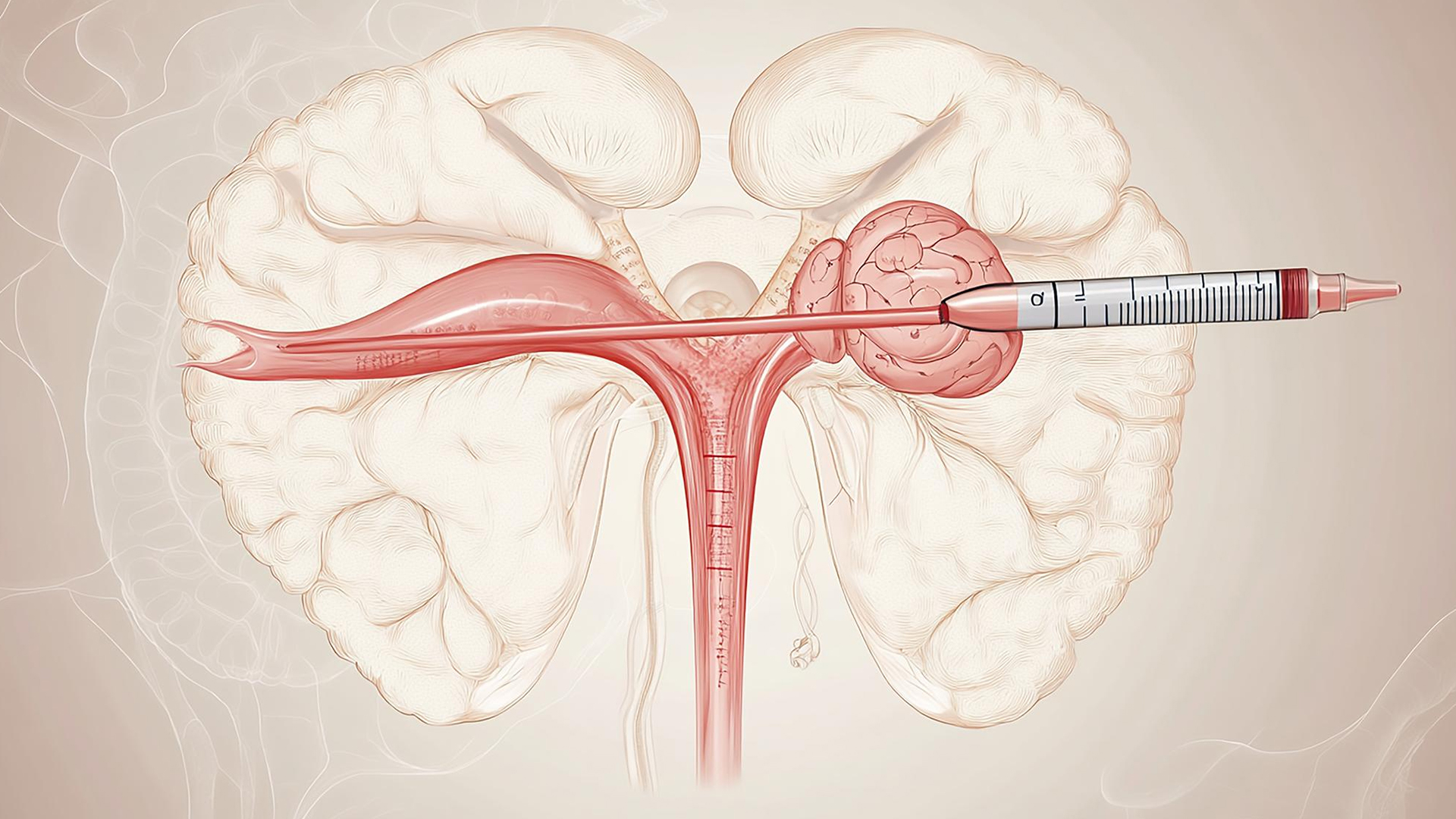
A narrow catheter is placed into the femoral or radial artery after a little incision is made.

3. Navigation of a Catheter to the Uterine Artery

The catheter is inserted into the uterine arteries that feed blood to the uterus and fibroids using X-ray fluoroscopy.

4. Angiography

To see the uterine arteries and confirm the target vessels for embolization, contrast dye is administered.

5. Injection of Embolic Particles

By obstructing the tiny arteries supplying the fibroids, tiny embolic particles (based on plastic or gelatin) are injected into the catheter to stop blood flow to the fibroids.

6. On the opposite side, repeat

Using the same access site, the process is performed on the opposing uterine artery.

7. Finalization and Retraction

Final angiographic pictures verify that the embolization was successful. After removing the catheter and sheath, hemostasis is achieved by applying pressure to the access site.

8. After-Procedure Care

Most patients are released the same day or, depending on their condition, following an overnight stay after being monitored for pain management.

disease treated

Uterine Fibroids

Lorem Ipsum is simply dummy text of the printing and typesetting industry.

Adenomyosis

Lorem Ipsum is simply dummy text of the printing and typesetting industry.

Postpartum Hemorrhage

Lorem Ipsum is simply dummy text of the printing and typesetting industry.

suitable for

Women with Uterine Fibroid Symptoms

Women with symptoms of uterine fibroids, including as heavy monthly bleeding, pelvic pain or pressure, bladder or bowel problems, and abdominal expansion due to fibroid size, are the main candidates for UAE.

Applicants Looking to Preserve Their Uterus

Ideal candidates are women who want to preserve their uterus and possible fertility without having a hysterectomy or myomectomy.

Patients with Large or Multiple Intramural Fibroids

UAE can successfully treat several fibroids at once while maintaining uterine function, particularly intramural fibroids smaller than 7 cm.

Unsuitable or Declining Surgery for Women

UAE’s less intrusive nature and quicker recovery are advantageous to those who choose not to have surgery or who have medical contraindications.

Patients with Adenomyosis or Postpartum Hemorrhage

Embolization effectively reduces uterine blood flow in certain cases of adenomyosis and excessive bleeding following childbirth.

Patients with Submucosal Fibroids or Fibroids Causing Infertility

Submucosal fibroids typically react favorably to selection criteria that take into account fibroid location, size, and influence on fertility.

benefits

A Less Invasive Option to Surgery

UAE is a non-surgical method that results in less pain, a shorter hospital stay, and a quicker recovery by avoiding major abdominal surgery, hysterectomy, or myomectomy.

Efficient Reduction of Symptoms

The majority of patients report a notable improvement in symptoms such heavy menstrual flow, pelvic discomfort, and pelvic pressure brought on by fibroids.

Preservation of the Uterus

UAE is a potential alternative for women who want to avoid hysterectomy for personal, medical, or reproductive reasons because it retains the uterus.

Quick Recuperation and Return to Everyday Activities

Compared to surgical treatments, patients usually resume their regular activities in a matter of days to a week.

Decreased Blood Loss

There is little blood loss with UAE since it uses embolization rather than excision.

Reduced Infection Risk

UAE has a lower incidence of surgical complications and infections than open surgery.

Maintains Ovarian Function

Ovarian function is generally safe in the UAE, while uncommon hazards need to be treated separately.

Economical

In certain situations, UAE may be more economical than surgical treatments because of shorter hospital stays and less postoperative care.

post-treatment recovery

Quick Recuperation
After the procedure, patients usually stay for a few hours or overnight for observation.
Similar to menstruation cramps, mild to moderate pelvic cramps are prevalent and often peak in the first 24 to 48 hours.
Initial Days
Pelvic pain, cramps, exhaustion, and occasionally low-grade fever or vaginal spotting are common symptoms for women.
Depending on the severity of the symptoms, three to five days off work are indicated.
One to Two Weeks Following the Procedure
In seven to ten days, many patients can progressively resume their regular activities.
During this time, cramps and pain usually lessen considerably. Spotting or vaginal discharge may persist for a few weeks.
Extended Recuperation
As fibroids diminish, complete symptom alleviation frequently takes many months.
Over the course of two to three months, symptoms like heavy bleeding and pelvic pressure may significantly lessen and menstrual cycles may return to normal.
Aftercare
Fibroid size reduction and treatment effectiveness are tracked with routine imaging follow-up (e.g., MRI or ultrasound).
Support and ongoing symptom management are crucial.
Advice for Healing
Patients are instructed to stay hydrated, avoid heavy lifting and hard exercise for approximately a week, take their medications as prescribed, and show up for any follow-up appointments.
Outlook
Most women return to their regular lives within ten days, and up to 85–90% of them enjoy long-lasting symptom relief.
Recurrent or persistent fibroids may require additional treatment.

Schedule Your
Consultation Today!