


 702, 7th Floor, Solaris Kode, Near Khatu Shyam Temple, VIP Road, Vesu , Surat.
 drjennygandhi98@gmail.com
 +91 90033 03373
Renal Artery Stenosis


Renal Artery Stenosis
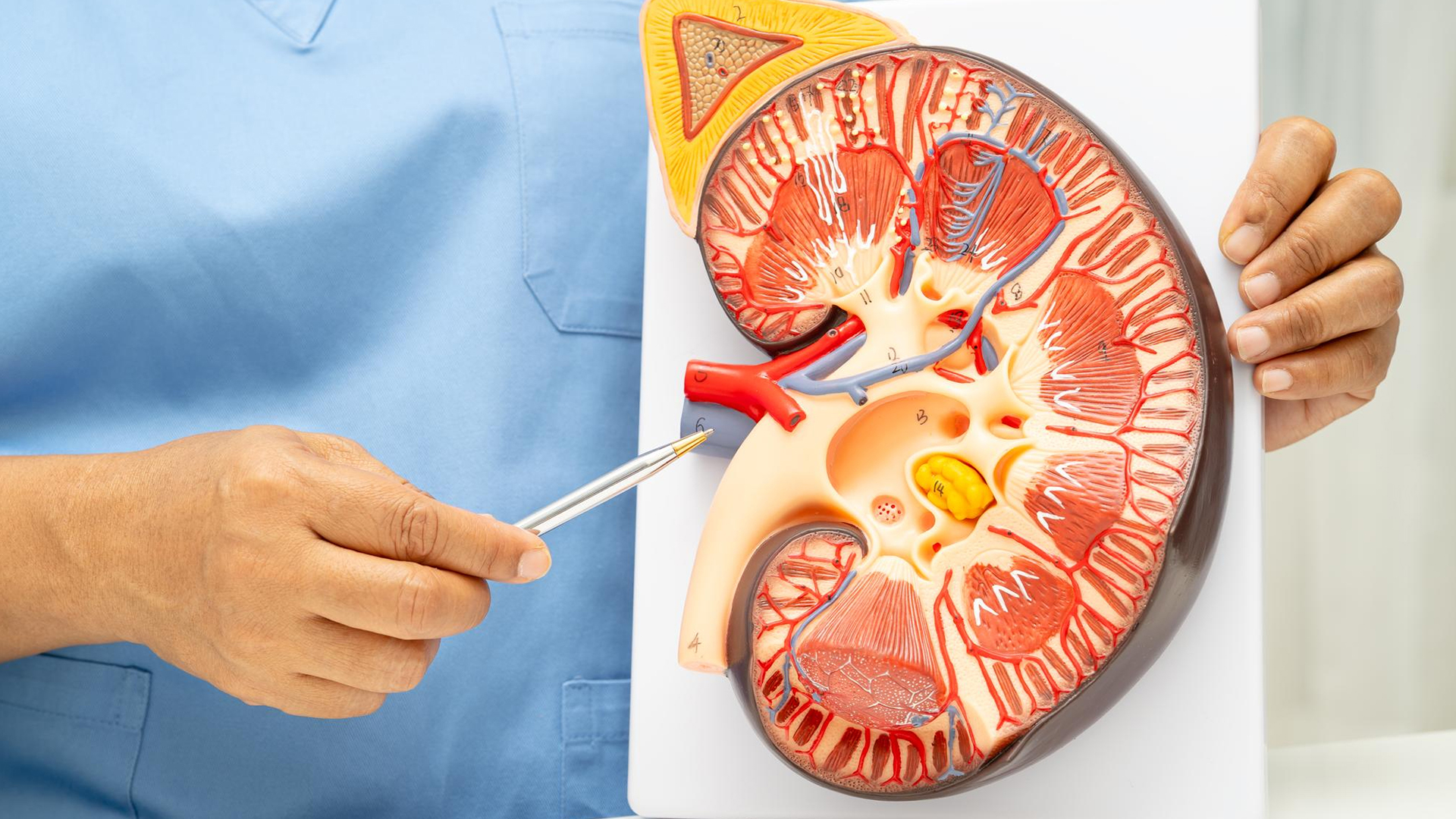


Persistent severe hypertension that is difficult to control with medications.
Progressive kidney damage leading to chronic kidney disease or kidney failure, which may require dialysis or kidney transplantation.
Fluid retention causing swelling in the legs, ankles, or other parts of the body.
Sudden fluid buildup in the lungs (flash pulmonary edema), causing shortness of breath.
Worsening overall cardiovascular health due to hypertension and kidney insufficiency.

diagnosis
Lorem Ipsum is simply dummy text of the printing and typesetting industry. Lorem Ipsum has been the industry's standard dummy text. Lorem Ipsum is simply dummy text of the printing and typesetting industry

Physical Examination
-
 Using a stethoscope to listen for a whooshing sound (renal bruit) over the abdomen or flanks, which could indicate turbulent blood flow because of narrowing.

Blood and Urine Tests
-
To assess kidney function using metrics such as urine protein levels and serum creatinine, which can decrease with severe artery narrowing.

Doppler Ultrasound
-
A non-invasive procedure that uses sound waves to see how blood flows through the renal arteries and identify anomalies such as constriction or decreased flow rate.
Computed Tomography Angiography (CTA)
-
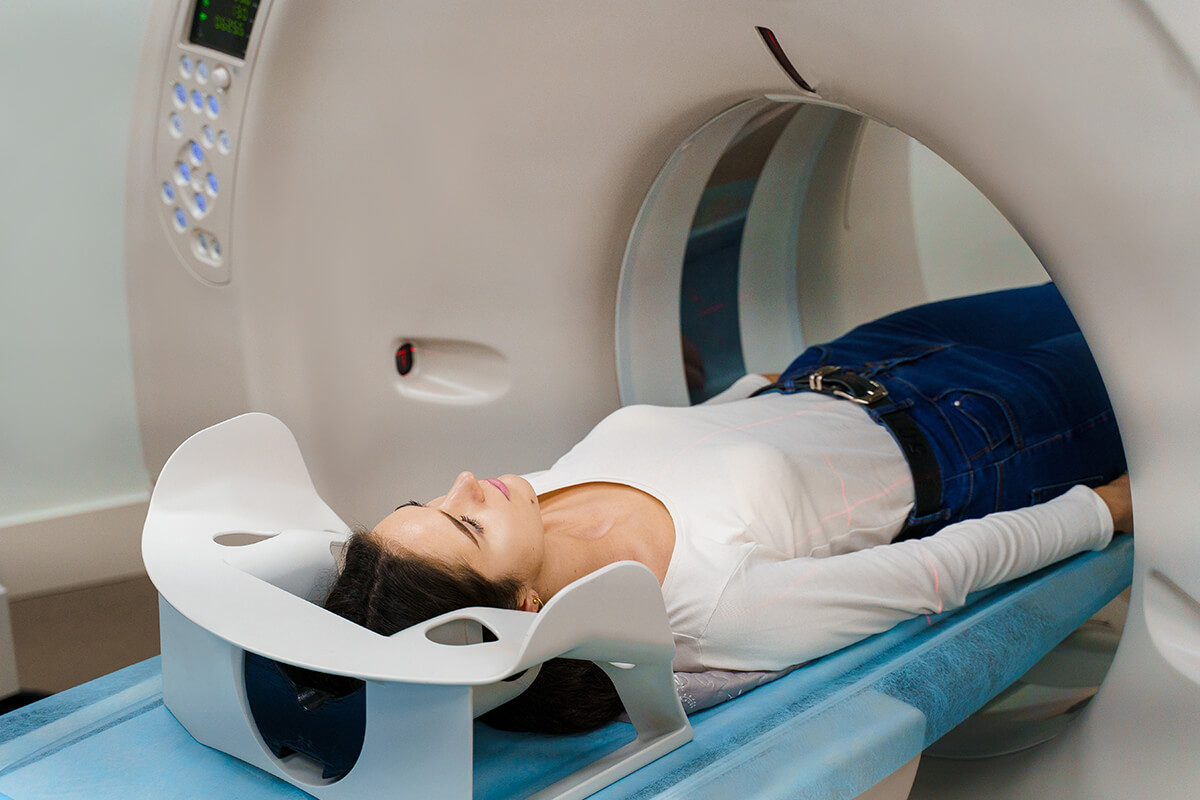
A detailed X-ray image using contrast dye to show the renal arteries and detect stenosis or blockages.
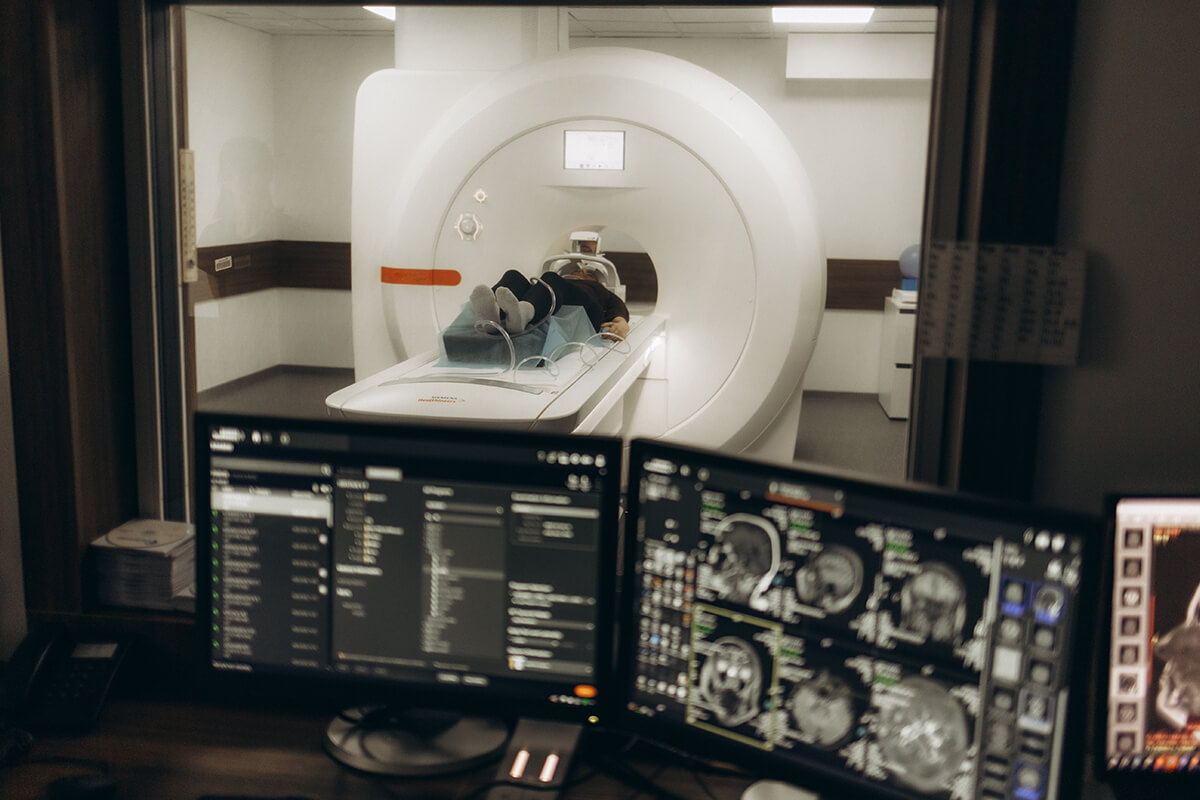
Magnetic Resonance Angiography (MRA)
-
For patients who cannot handle the iodine contrast used in CTA, Magnetic Resonance Angiography (MRA) creates images of the renal arteries using magnetic fields and contrast dye.

Renal Arteriography (Conventional Angiography)
-
The gold standard invasive test for accurately identifying and quantifying stenosis is renal artery angiography (conventional angiography), which involves inserting a catheter into the renal arteries, injecting contrast, and taking X-ray pictures. Additionally, it can be applied to concurrent treatment procedures such as stenting.

ACE Inhibitor Radionuclide Scintigraphy
-
A functional test that uses radioactive tracers to evaluate kidney function and identify renovascular hypertension brought on by stenosis is called ACE Inhibitor Radionuclide Scintigraphy.
