



 702, 7th Floor, Solaris Kode, Near Khatu Shyam Temple, VIP Road, Vesu , Surat.
 drjennygandhi98@gmail.com
 +91 90033 03373
Intracranial Hemorrhage Of Unknown Etiology


Intracranial Hemorrhage Of Unknown Etiology
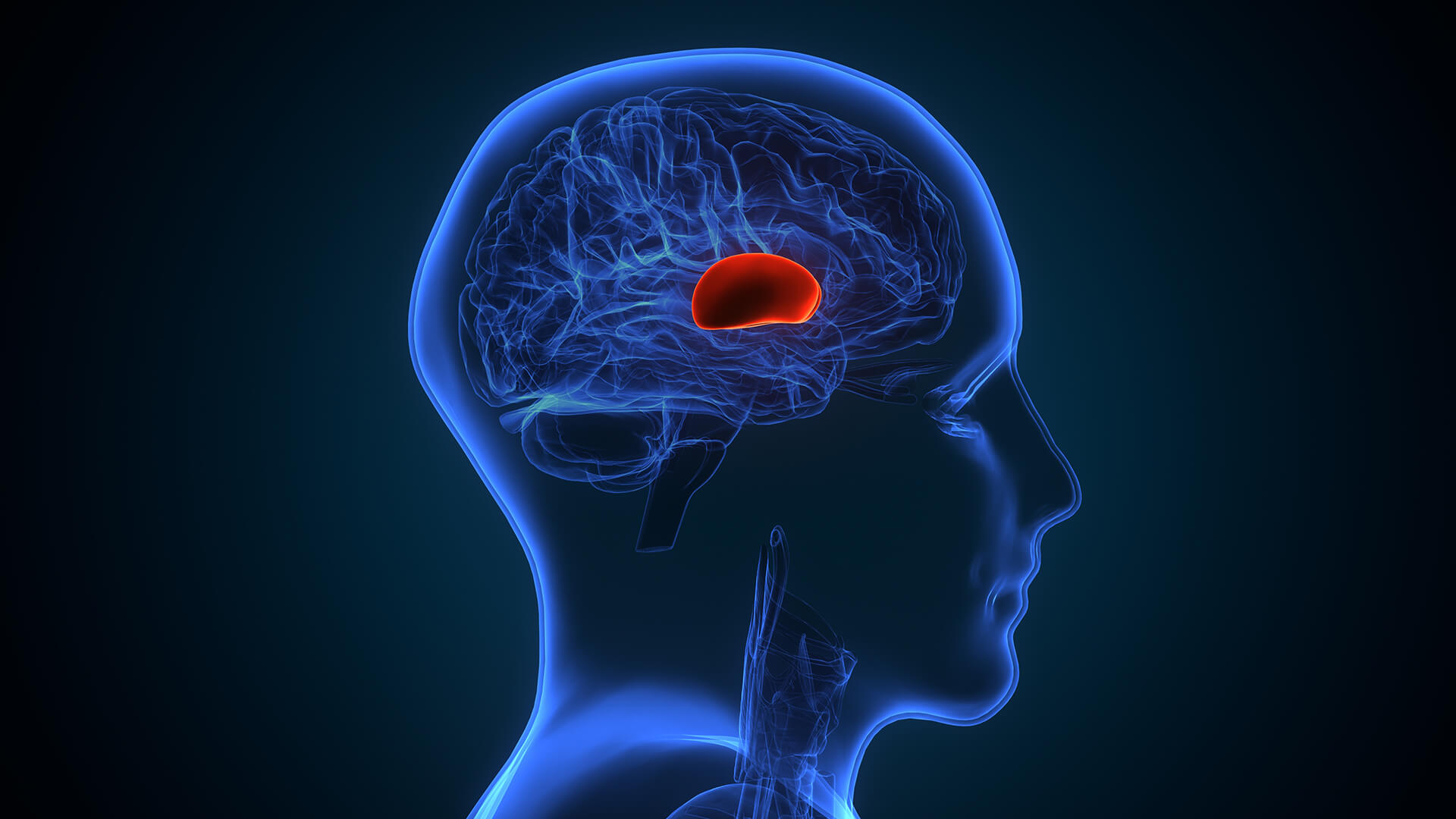



Untreated hemorrhage carries a high risk of death.
Continued bleeding or rebleeding can increase hematoma size, worsening brain injury and mass effect.
Increased intracranial pressure from the bleed can cause brain tissue compression, ischemia, swelling, and herniation, leading to permanent neurological deficits or death.
Survivors often have significant disabilities, including paralysis, speech difficulties, cognitive impairment, and seizures.
Such as hydrocephalus, infections, deep vein thrombosis, and systemic complications can worsen outcomes.
Factors predicting poor outcomes include large hemorrhage volume, low Glasgow Coma Scale at presentation, infratentorial location, intraventricular hemorrhage, and older age.
Even survivors have increased long-term mortality and risk of recurrent strokes or hemorrhages.

diagnosis
Lorem Ipsum is simply dummy text of the printing and typesetting industry. Lorem Ipsum has been the industry's standard dummy text. Lorem Ipsum is simply dummy text of the printing and typesetting industry
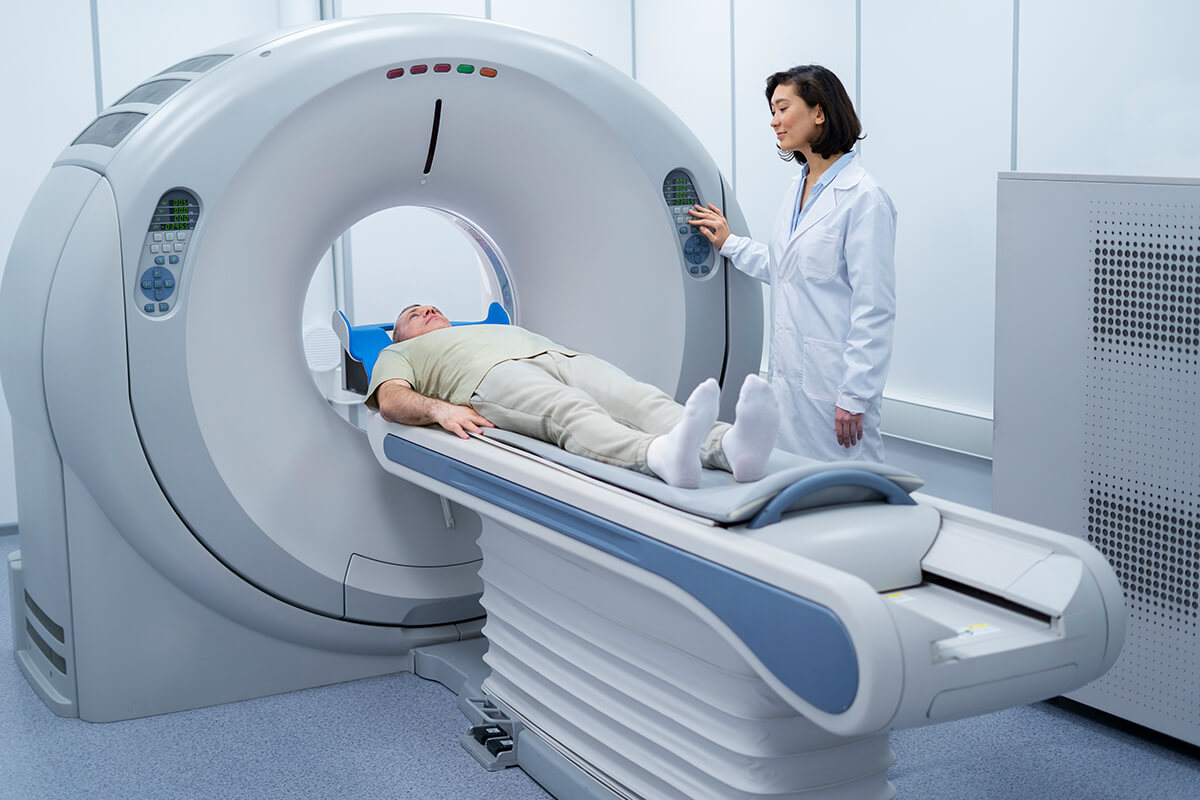
CT Angiography (CTA)
-
 Done to investigate vascular abnormalities like aneurysms, arteriovenous malformations (AVMs), or other vascular lesions that may cause hemorrhage, especially if initial CT suggests vascular pathology.
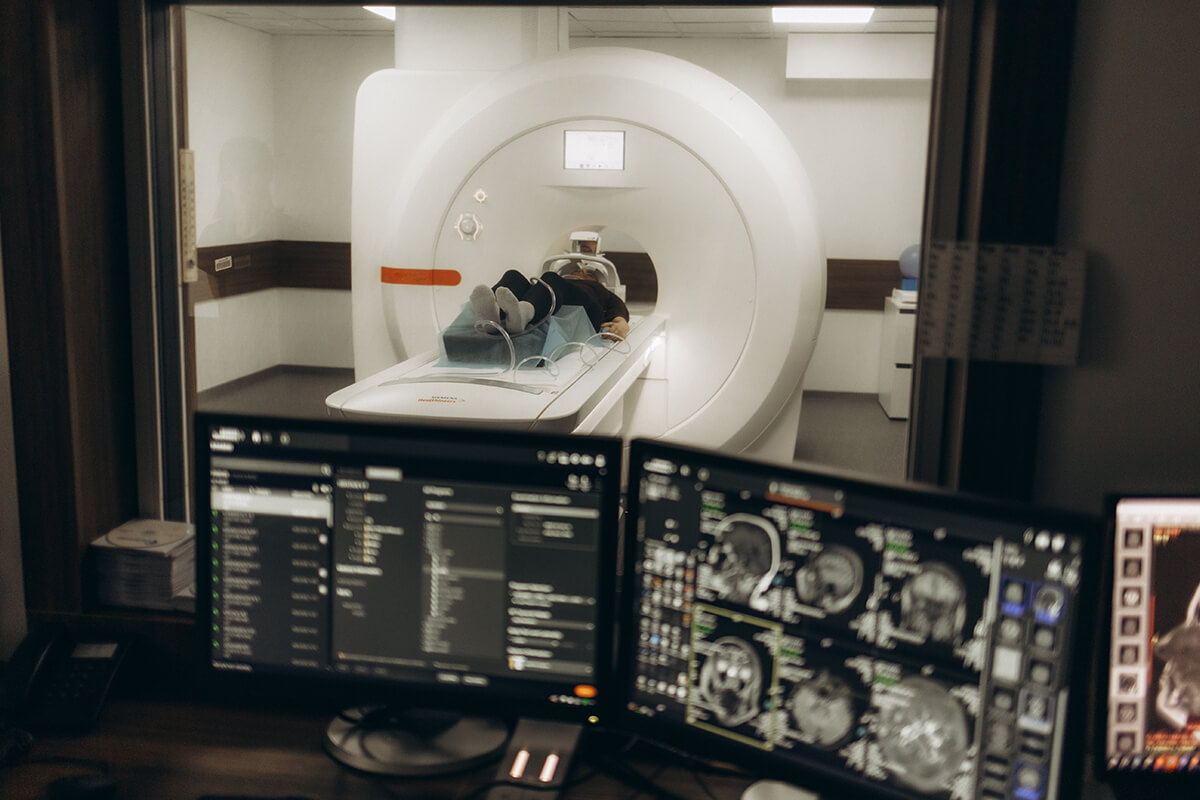
Magnetic Resonance Imaging (MRI) and Magnetic Resonance Angiography (MRA)
-
MRI helps detect older hemorrhages, small lesions, or subtle vascular malformations missed on CT. MRA further evaluates blood vessels noninvasively.
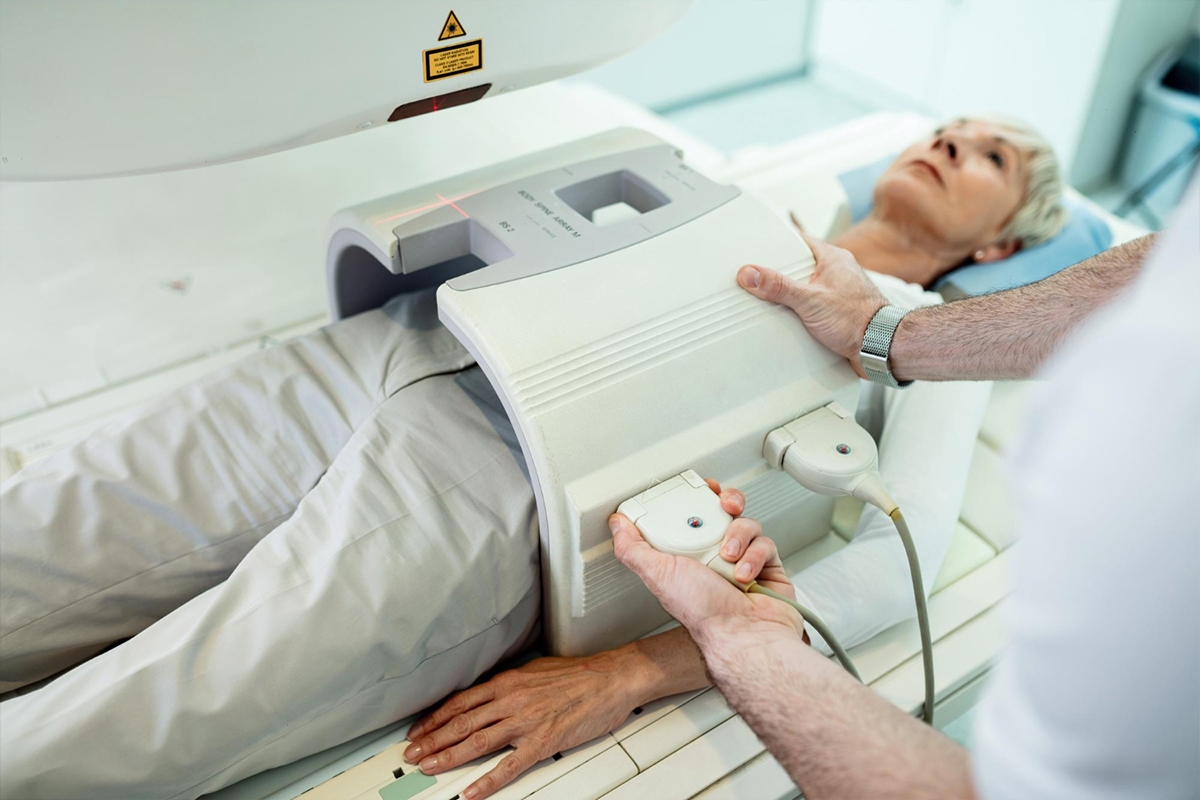
Digital Subtraction Angiography (DSA)
-
The gold standard for identifying vascular causes of hemorrhage, particularly AVMs, aneurysms, DAVFs, or vasculitis. It provides dynamic, detailed vessel visualization and is often performed if CTA/MRA is inconclusive.

Laboratory tests
-
Blood coagulation studies, toxicology screen, and other relevant labs are done to identify coagulopathies or systemic causes.

Lumbar puncture
-
Sometimes performed if subarachnoid hemorrhage is suspected but CT is negative.
