
 702, 7th Floor, Solaris Kode, Near Khatu Shyam Temple, VIP Road, Vesu , Surat.
 drjennygandhi98@gmail.com
 +91 90033 03373
Postpartum Hemorrhage


Postpartum Hemorrhage



A severe drop in blood pressure brought on by excessive blood loss lowers blood flow to critical organs like the liver, kidneys, heart, and brain. Organ failure may ensue from this.
When the body loses blood, it compensates by increasing heart rate and breathing quickly, which can put stress on the respiratory and cardiovascular systems.
Organ damage brought on by inadequate blood flow can result in complications such as heart damage, kidney failure, and brain injury.
Postpartum hypopituitarism, a disorder in which the pituitary gland is injured and results in hormonal imbalances, can be brought on by severe blood loss.
Prolonged bleeding can cause blood clotting disorders to develop or worsen, making treatment more difficult and raising the risk of additional bleeding.
Severe PPH can be lethal if treatment is delayed.
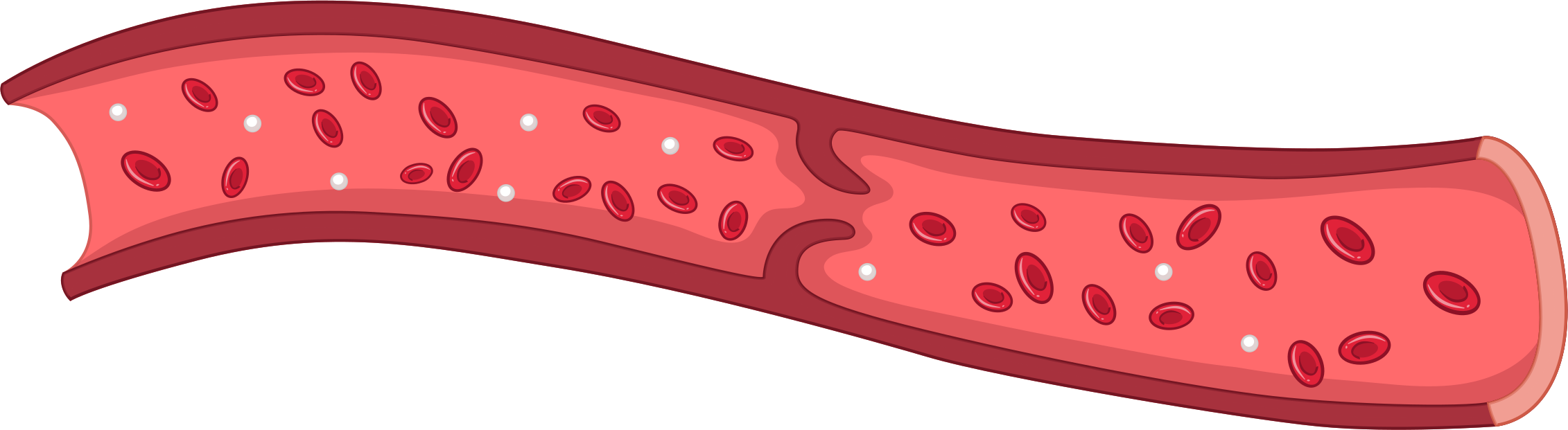
diagnosis
Lorem Ipsum is simply dummy text of the printing and typesetting industry. Lorem Ipsum has been the industry's standard dummy text. Lorem Ipsum is simply dummy text of the printing and typesetting industry
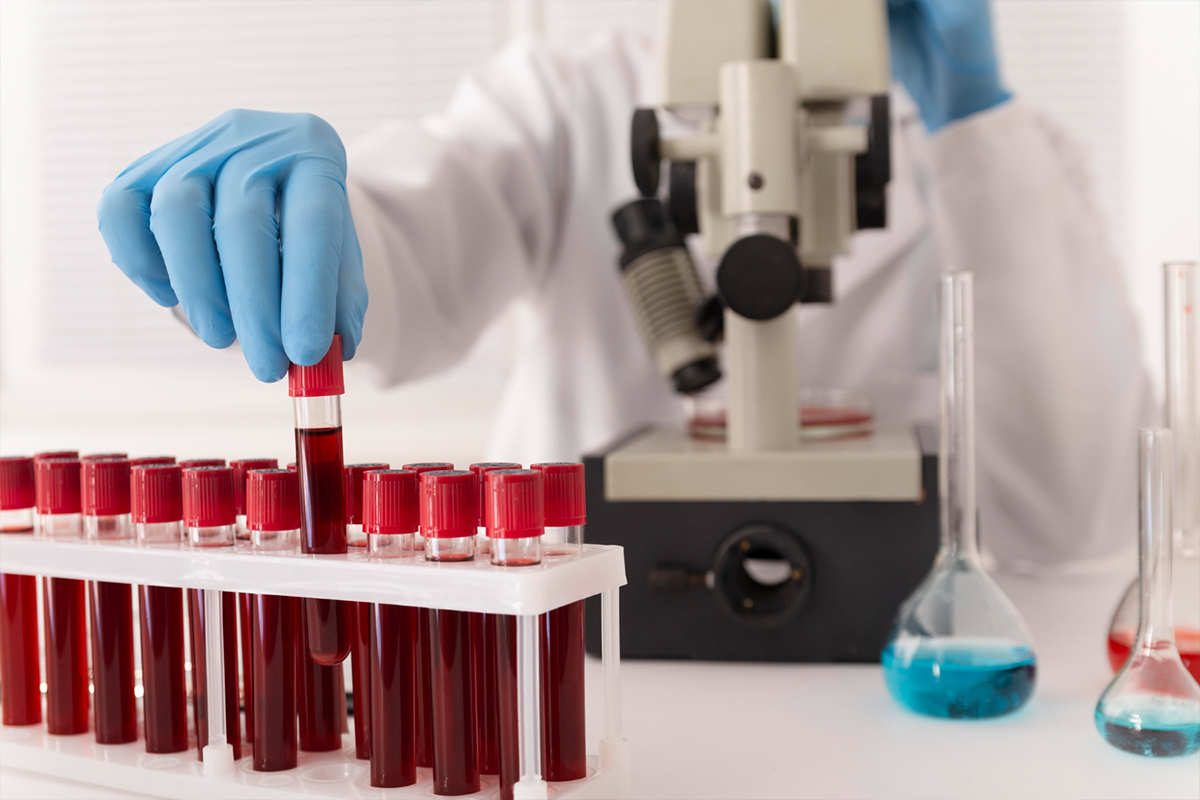
Visual estimation of blood loss
-
 Visual evaluation of vaginal bleeding during and after delivery is the first step. More accuracy can be obtained through quantitative measurement with calibrated drapes, weighing blood-soaked pads, sponges, and clots. It is concerning when there is a blood loss of more than 500 milliliters following vaginal delivery or 1000 milliliters following cesarean section.

Physical examination
-
Quick and comprehensive check for atony (soft, boggy uterus), check for hematomas or cuts in the birth canal, and examine the placenta to see if any tissue is still there. Examine vital signs for signs of shock, hypotension, and tachycardia.

Laboratory tests
-
Include a complete blood count to track hemoglobin and hematocrit, a coagulation profile to identify clotting problems, a blood type and crossmatch for possible transfusion, fibrinogen levels, and a metabolic panel to evaluate the patient's general health.
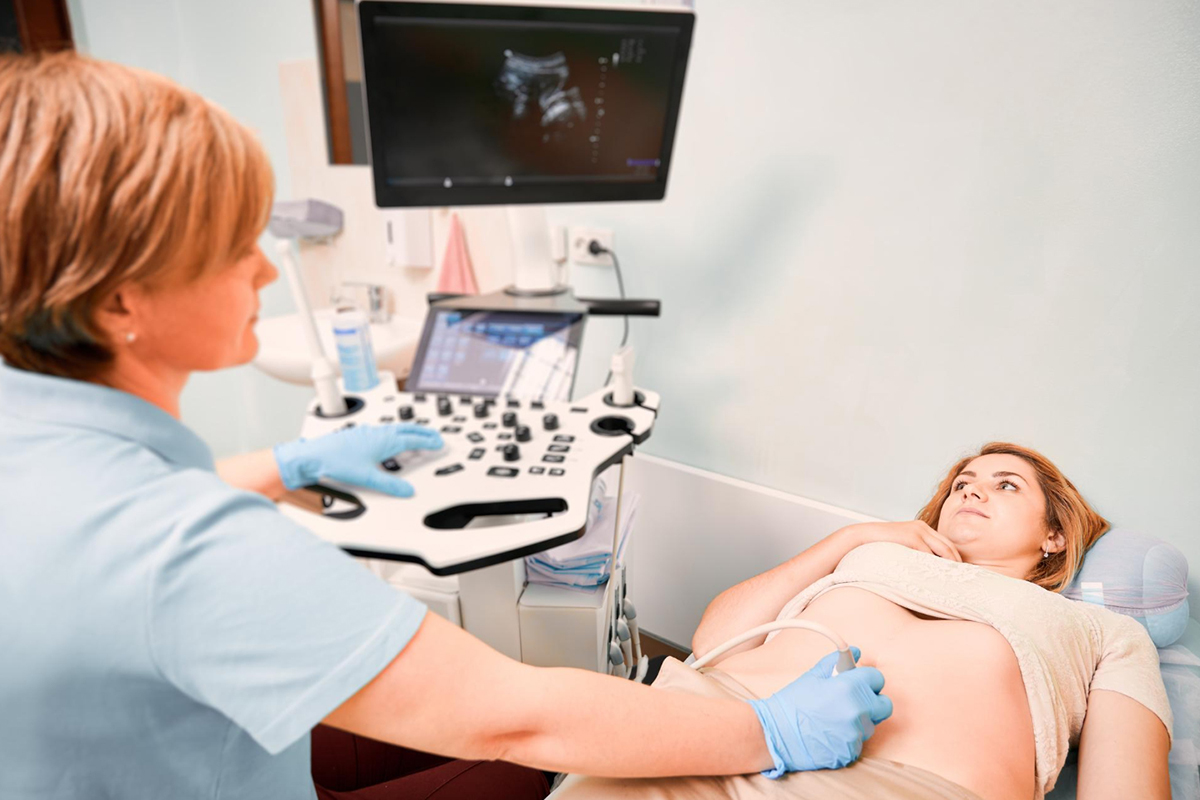
Ultrasound
-
If there is a suspicion of retained placental tissue or uterine abnormalities, ultrasound is used.

Calculation of the shock index
-
The ratio of heart rate to systolic blood pressure aids in the early identification of substantial blood loss and directs immediate medical attention.
