
 702, 7th Floor, Solaris Kode, Near Khatu Shyam Temple, VIP Road, Vesu , Surat.
 drjennygandhi98@gmail.com
 +91 90033 03373
Dural Arteriovenous Fistulas


Dural Arteriovenous Fistulas

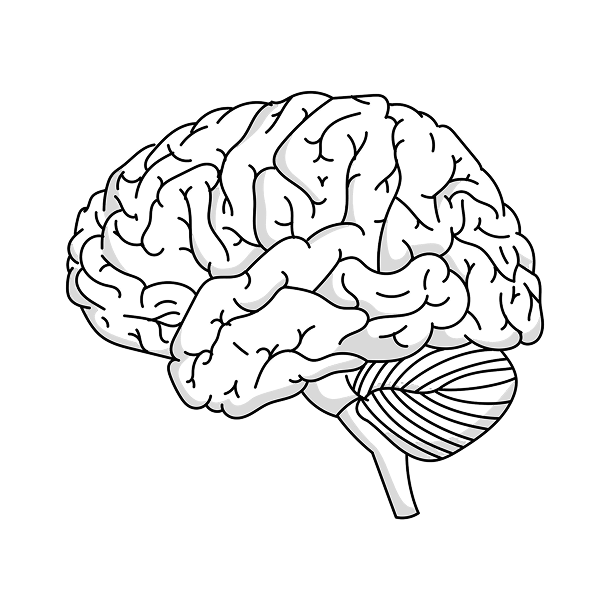

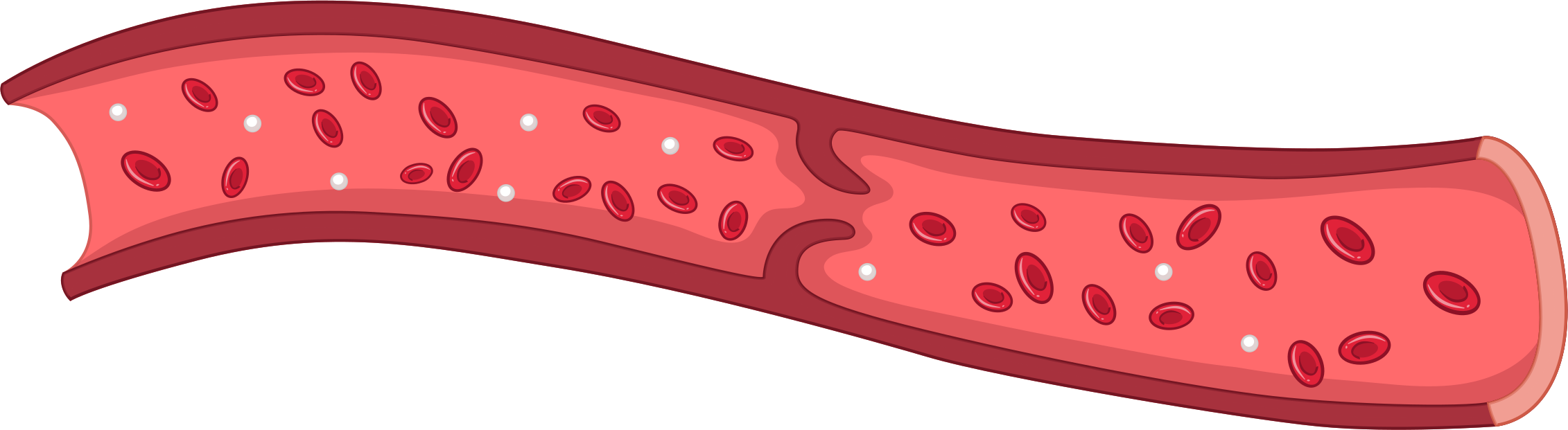
Rupture of fragile abnormal vessels can cause bleeding in the brain, including intracerebral hemorrhage, subdural hematomas, or subarachnoid hemorrhage, leading to stroke or death.
Progressive damage due to abnormal blood flow and venous hypertension may cause weakness, sensory loss, seizures, speech or vision impairment, ataxia, and cognitive decline.
Venous congestion can elevate pressure inside the skull, causing headaches, nausea, vomiting, decreased consciousness, and brain edema.
In spinal DAVFs, untreated lesions can cause progressive myelopathy, gait disturbances, limb weakness, numbness, bladder/bowel dysfunction, and even paralysis.
Involvement of brain tissue can lead to seizures, dementia, or parkinsonism-like symptoms.
Serious bleeding or irreversible neurological injury may cause permanent disability or be fatal.
Rarely, large fistulas can lead to high-output heart failure by increasing cardiac workload through abnormal shunting.
diagnosis
Lorem Ipsum is simply dummy text of the printing and typesetting industry. Lorem Ipsum has been the industry's standard dummy text. Lorem Ipsum is simply dummy text of the printing and typesetting industry
Digital Subtraction Angiography (DSA)
Magnetic Resonance Imaging (MRI) and Magnetic Resonance Angiography (MRA)
-
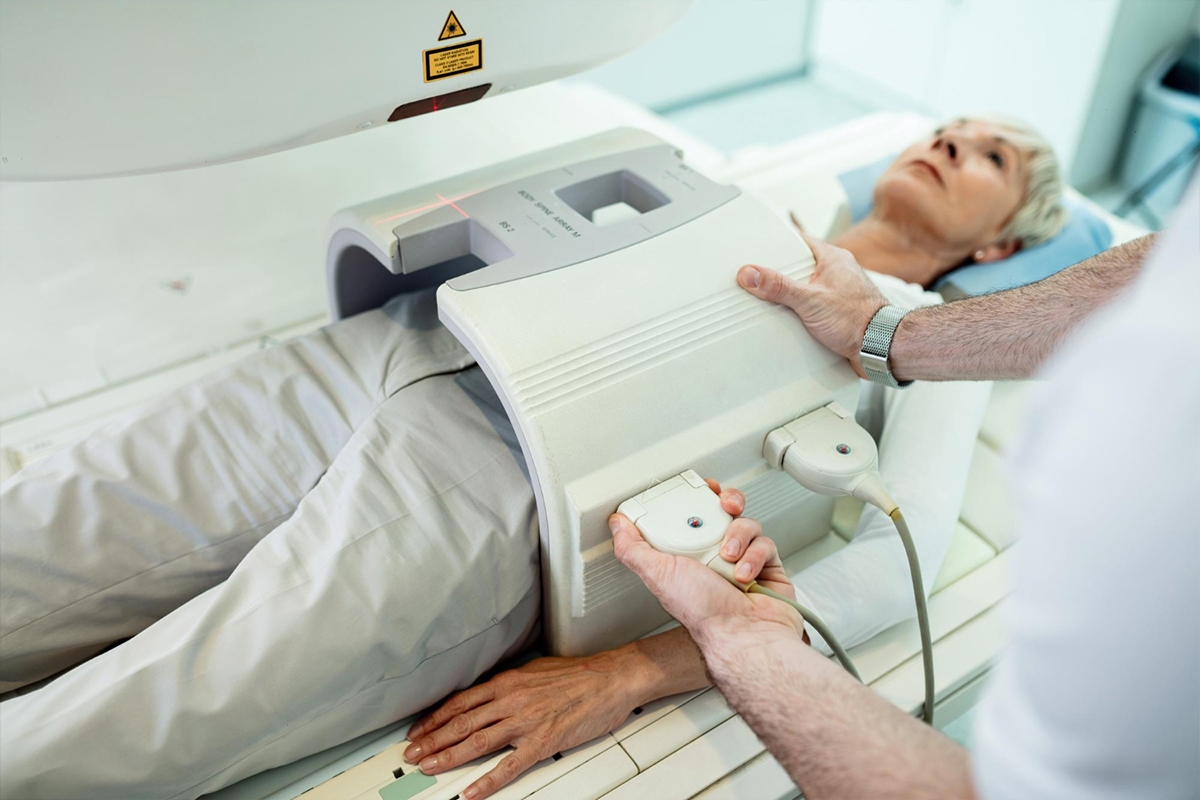
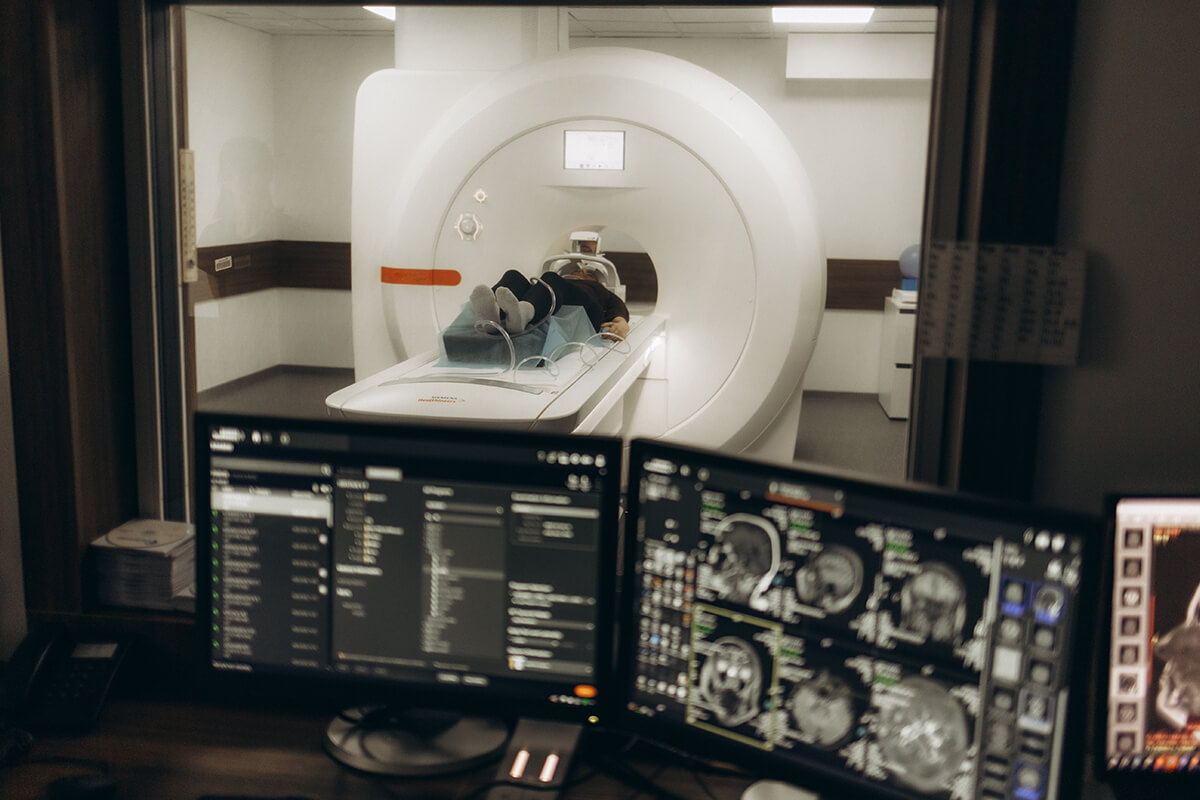
 Noninvasive imaging methods that can identify dilated vessels, venous congestion, and effects on brain or spinal tissue include magnetic resonance imaging (MRI) and magnetic resonance angiography (MRA).
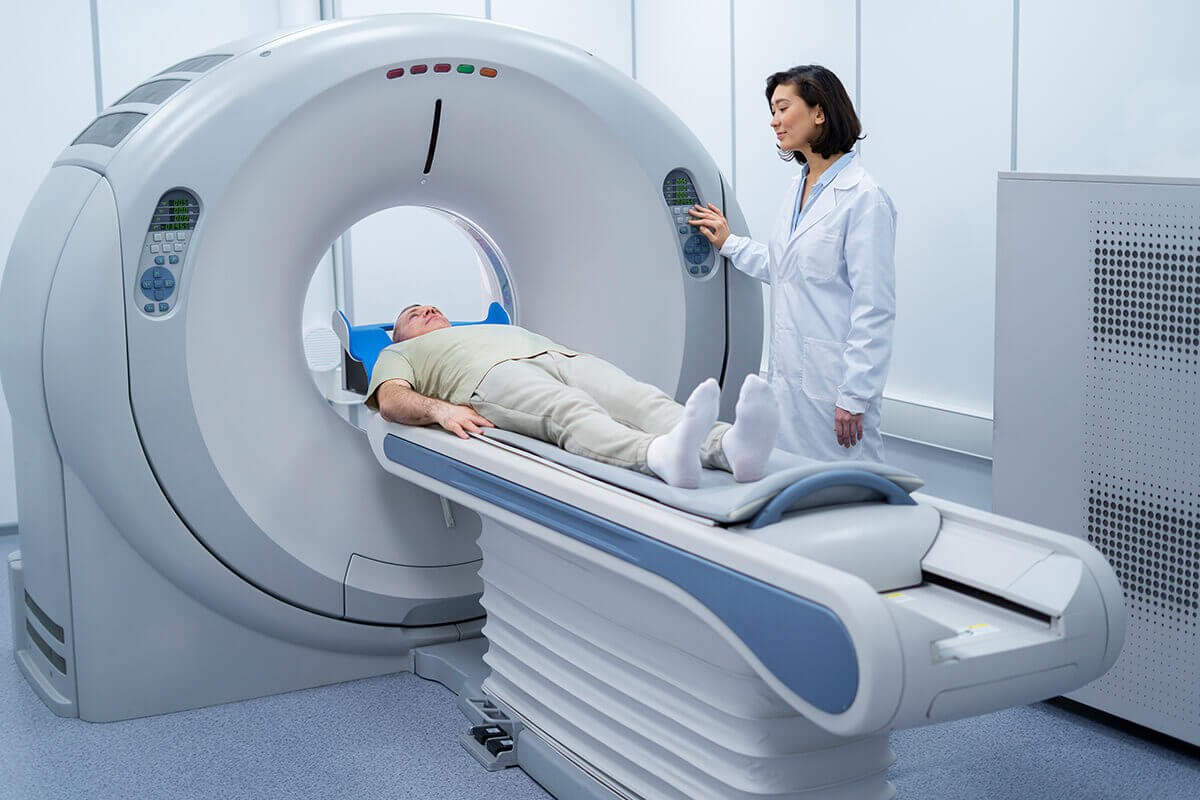
Computed Tomography (CT) and CT Angiography (CTA)
-
Used to evaluate abnormal vasculature, edema, and brain hemorrhage.
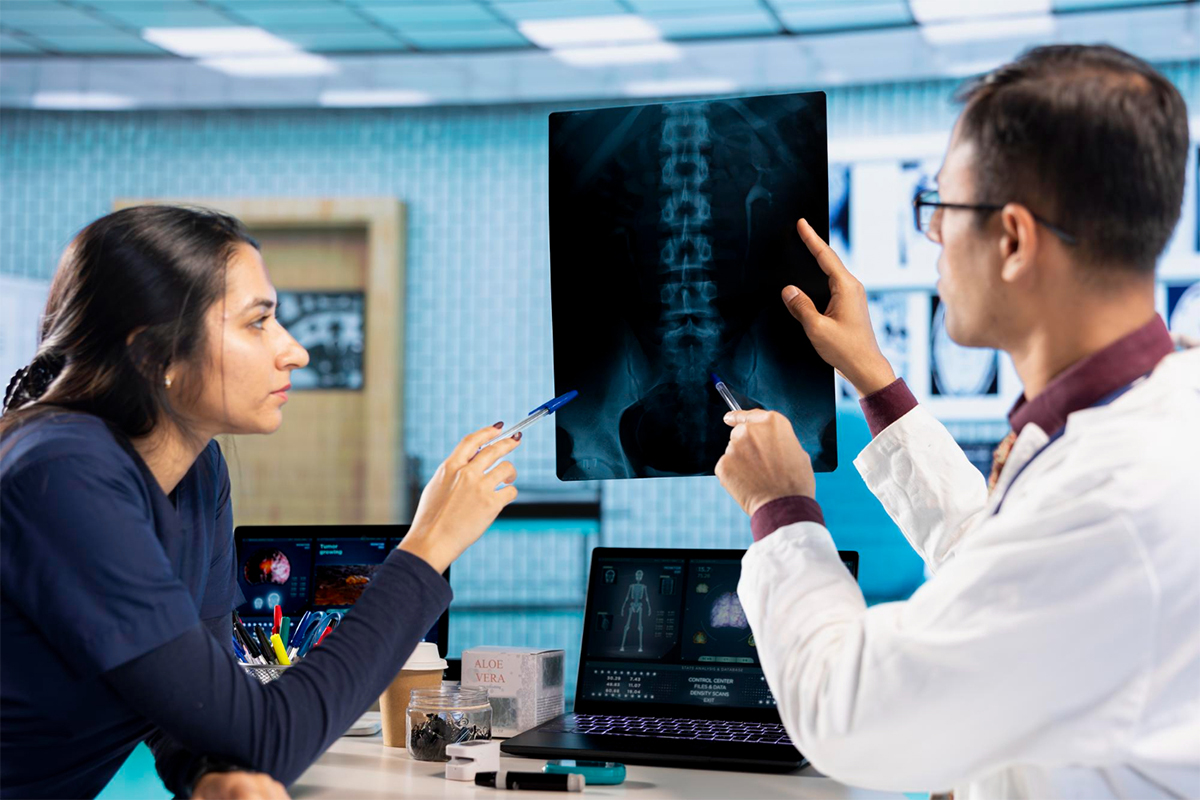
Spinal angiography
-
Initially suspected by spinal MRI (enlarged, swollen vessels), spinal dAVFs are verified by spinal angiography.
