


 702, 7th Floor, Solaris Kode, Near Khatu Shyam Temple, VIP Road, Vesu , Surat.
 drjennygandhi98@gmail.com
 +91 90033 03373
Ovarian Vein Insufficiency


Ovarian Vein Insufficiency



The most frequent outcome is persistent, frequently getting worse pelvic pain, which can linger for months or even years and have a major negative influence on day-to-day functioning and mental health.
If left untreated, pelvic venous reflux causes varicose veins in the pelvis, vulva, inner thighs, buttocks, and occasionally lower limbs to grow and enlarge. These veins can become more uncomfortable and unsightly over time.
Redness, tenderness, and swelling may result from dilated veins becoming inflamed or forming blood clots.
Rarely, enlarged veins may burst, causing pelvic or vaginal bleeding.
Prolonged venous congestion can cause eczema, swelling, skin discoloration, and, in extreme situations, ulcers close to the afflicted areas.
Prolonged pain and congestion can impair bladder function, result in frequent urination, and cause discomfort during sexual activity.
Because of the delayed diagnosis, persistent symptoms are frequently linked to anxiety, depression, and distress.
Untreated vein insufficiency can result in more severe or recurrent pelvic symptoms, which may eventually necessitate more invasive procedures. The condition may also worsen over time, particularly in women who have had multiple pregnancies.

diagnosis
Lorem Ipsum is simply dummy text of the printing and typesetting industry. Lorem Ipsum has been the industry's standard dummy text. Lorem Ipsum is simply dummy text of the printing and typesetting industry
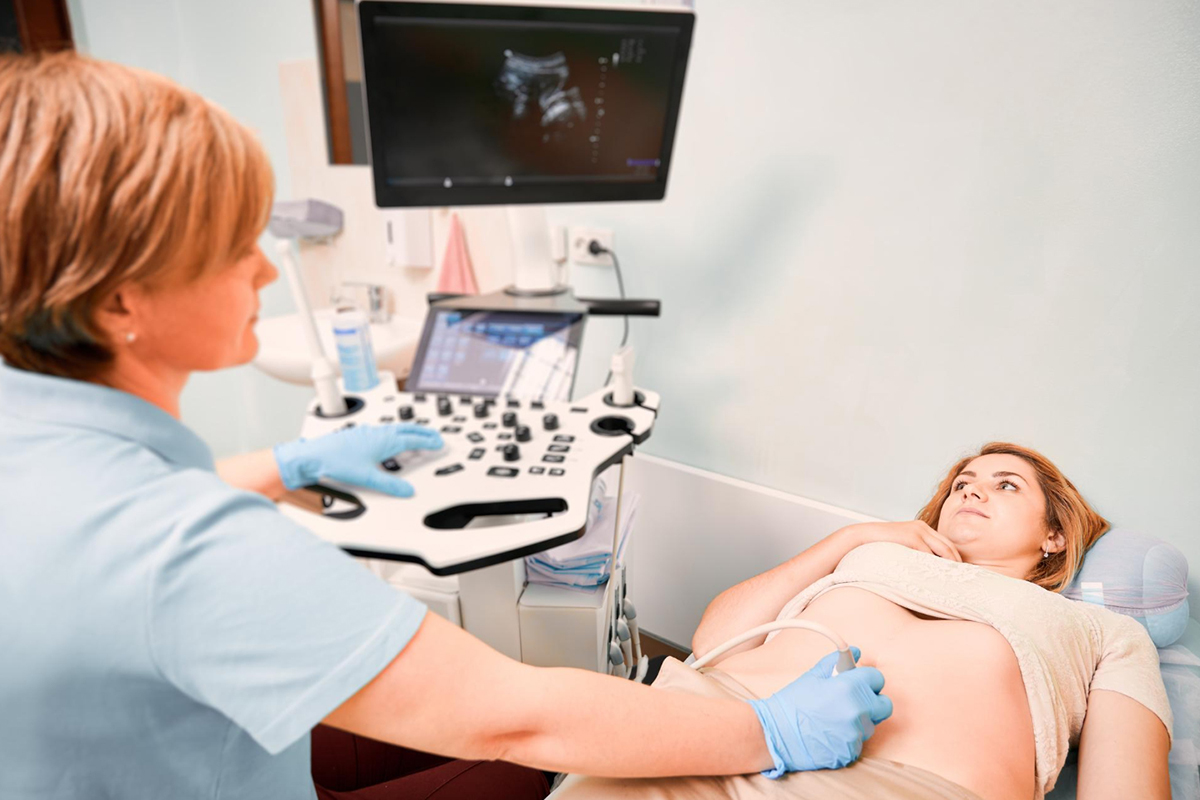
Ultrasound
-
 Dilated, tortuous pelvic veins, usually larger than 4 mm in diameter, are detected by ultrasound. exhibits communication with pelvic varicosities, venous reflux, and slow blood flow (≤ 3 cm/s). By revealing variations in flow or diameter, dynamic maneuvers like Valsalva can increase sensitivity. Veins and cystic adnexal masses can be distinguished using Color Doppler.
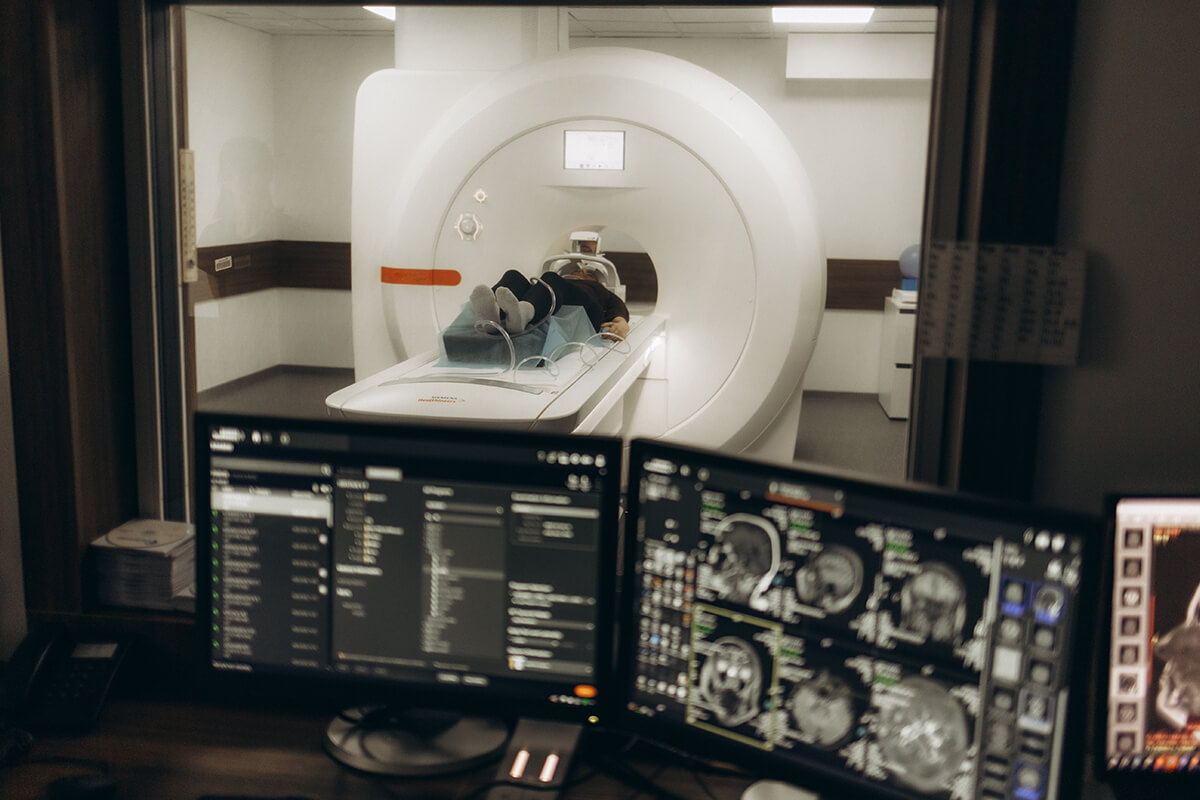
MRI and MR Venography (MRV)
-
Serpentine flow voids (T1), heterogeneous signal intensity brought on by slow flow (T2), and delayed enhancement of tortuous, dilated vessels are all visible on MRI and MR Venography (MRV). Time-resolved MR angiography describes pelvic varicosities and distinguishes between anterograde and retrograde venous flow. Ovarian and hypogastric vein insufficiency can be detected noninvasively and with high sensitivity.
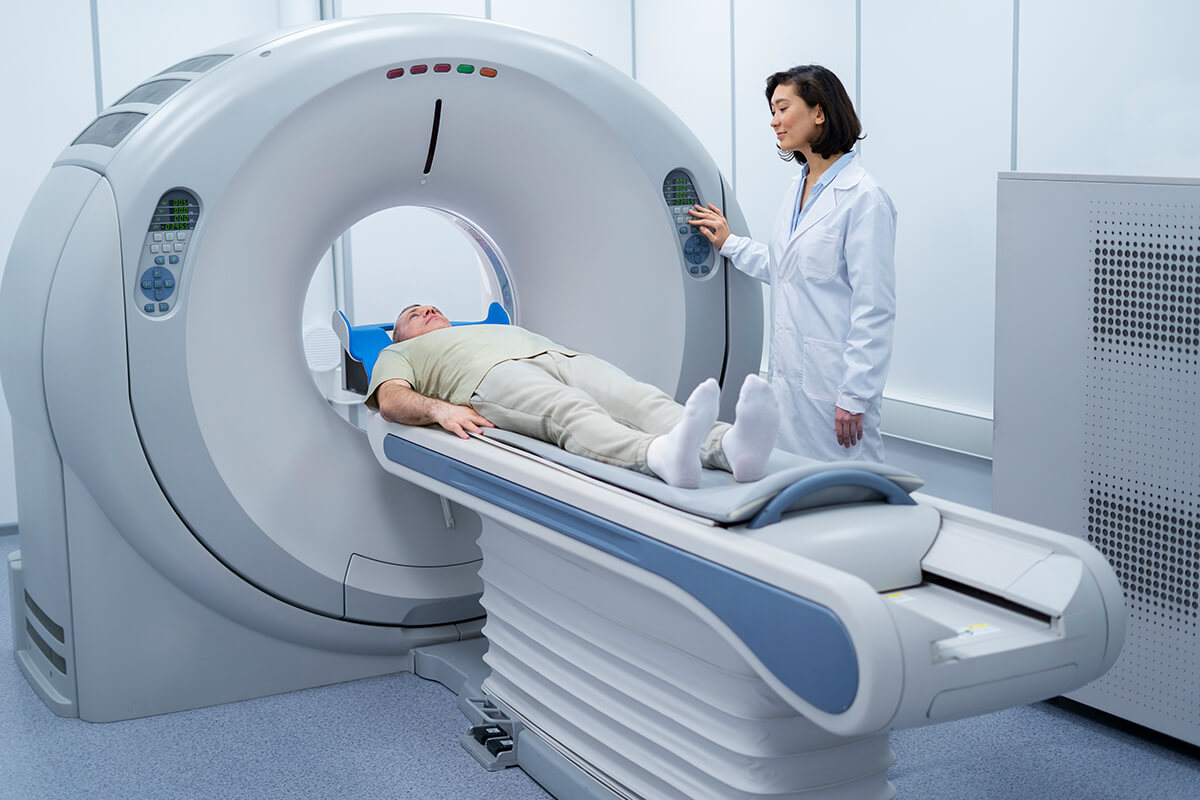
CT Venography
-
Demonstrates dilated ovarian and pelvic veins and can detect abdominal or pelvic pathology that is present concurrently. Diagnostic criteria include parauterine veins with a diameter of ≥4 mm, dilated ovarian veins with a diameter of >8–10 mm, and congestion throughout the pelvic plexus. Though less popular with young women because of radiation exposure, it is especially helpful for anatomical mapping.

Catheter Venography
-
The gold standard for conclusive diagnosis. Direct visualization of pelvic congestion, reflux, dilatation, and venous anatomy can be done in conjunction with therapeutic procedures such as embolization, determining the vein's diameter, the level of congestion, and the time it takes for the contrast to vanish (scoring system).
