



 702, 7th Floor, Solaris Kode, Near Khatu Shyam Temple, VIP Road, Vesu , Surat.
 drjennygandhi98@gmail.com
 +91 90033 03373
Ureteric Obstruction From Tumors


Ureteric Obstruction From Tumors
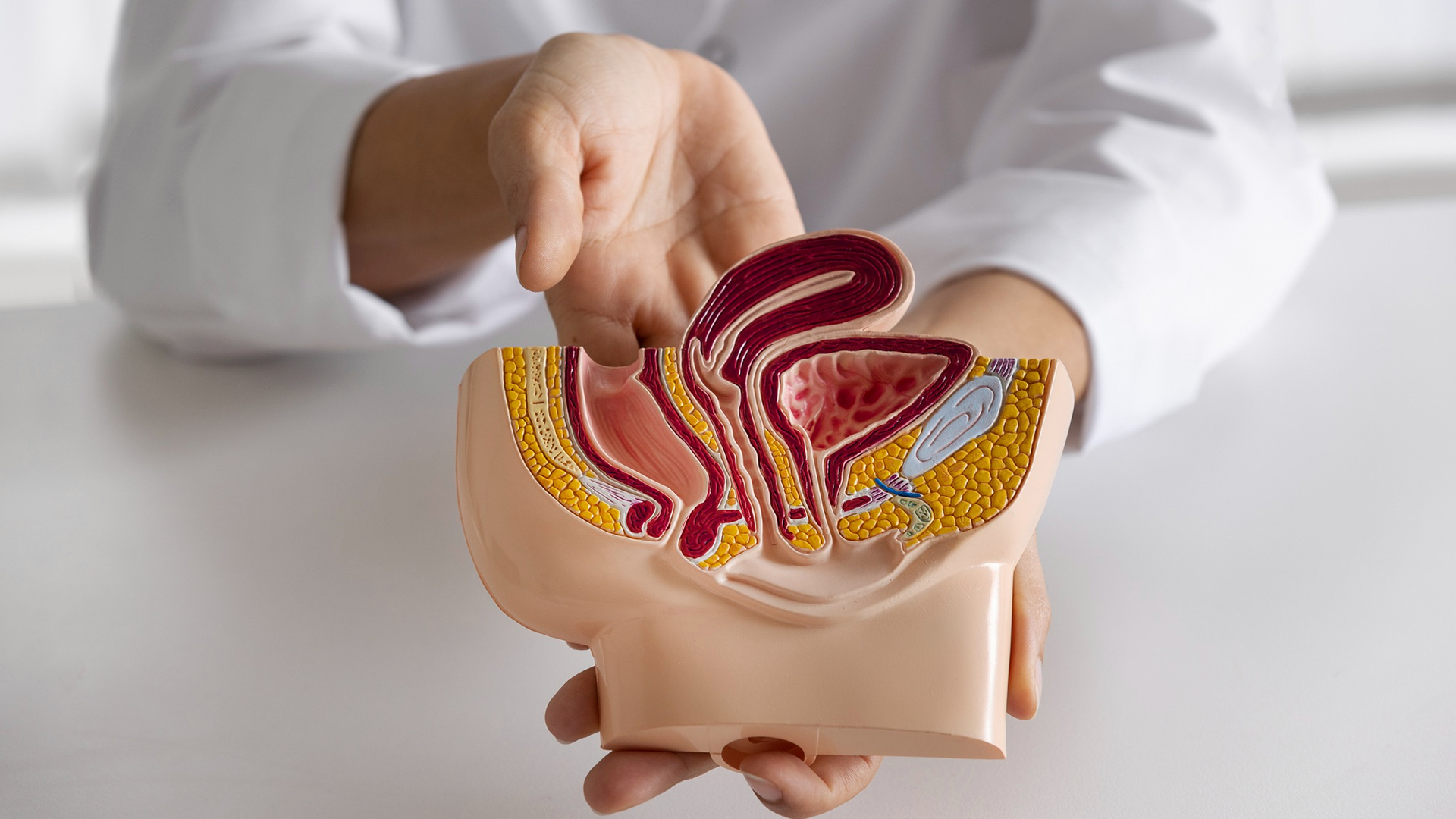



Progressive kidney damage due to backup of urine (hydronephrosis) and increased pressure within the kidney.
Acute kidney injury or chronic kidney failure from prolonged obstruction.
Increased risk of urinary tract infections and potentially life-threatening urosepsis.
Severe pain and discomfort.
Electrolyte imbalances and metabolic complications.
Potential for irreversible loss of kidney function if obstruction persists.
Overall poor prognosis, especially as ureteric obstruction often occurs in advanced malignancies, with median survival ranging from a few months depending on cancer type and treatment options.

diagnosis
Lorem Ipsum is simply dummy text of the printing and typesetting industry. Lorem Ipsum has been the industry's standard dummy text. Lorem Ipsum is simply dummy text of the printing and typesetting industry

Blood and Urine Tests
-
 To assess kidney function (e.g., creatinine levels) and check for infection.
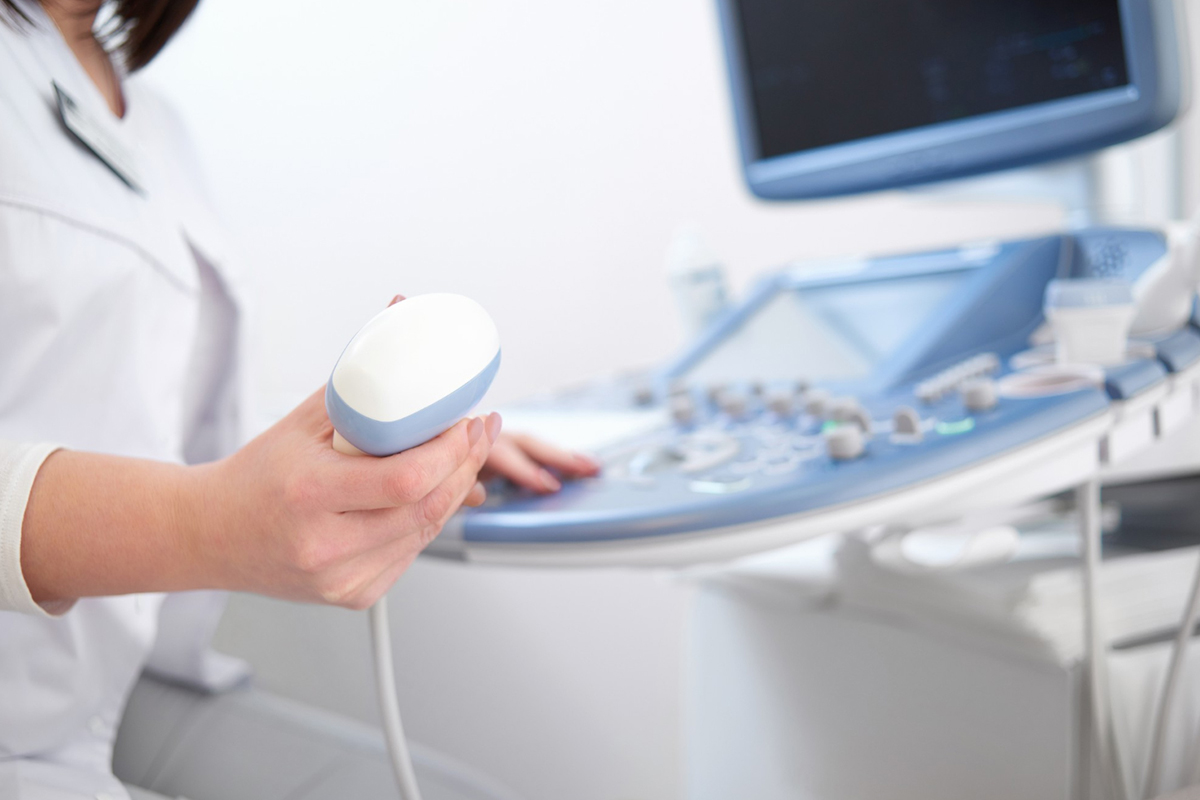
Ultrasound
-
Visualizes the kidneys and ureters to detect hydronephrosis and obstruction.
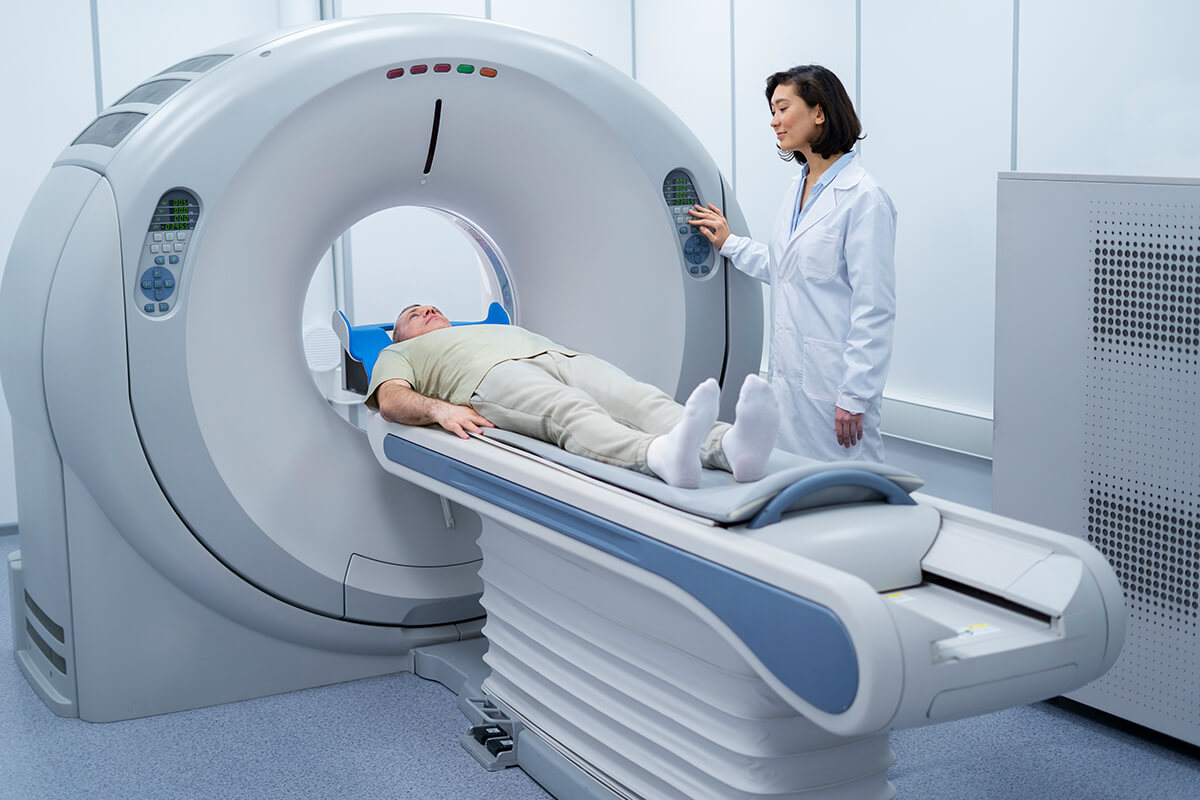
Computed Tomography (CT) Scan
-
Provides detailed cross-sectional images of kidneys, ureters, and surrounding tissues to locate and determine the cause of obstruction.
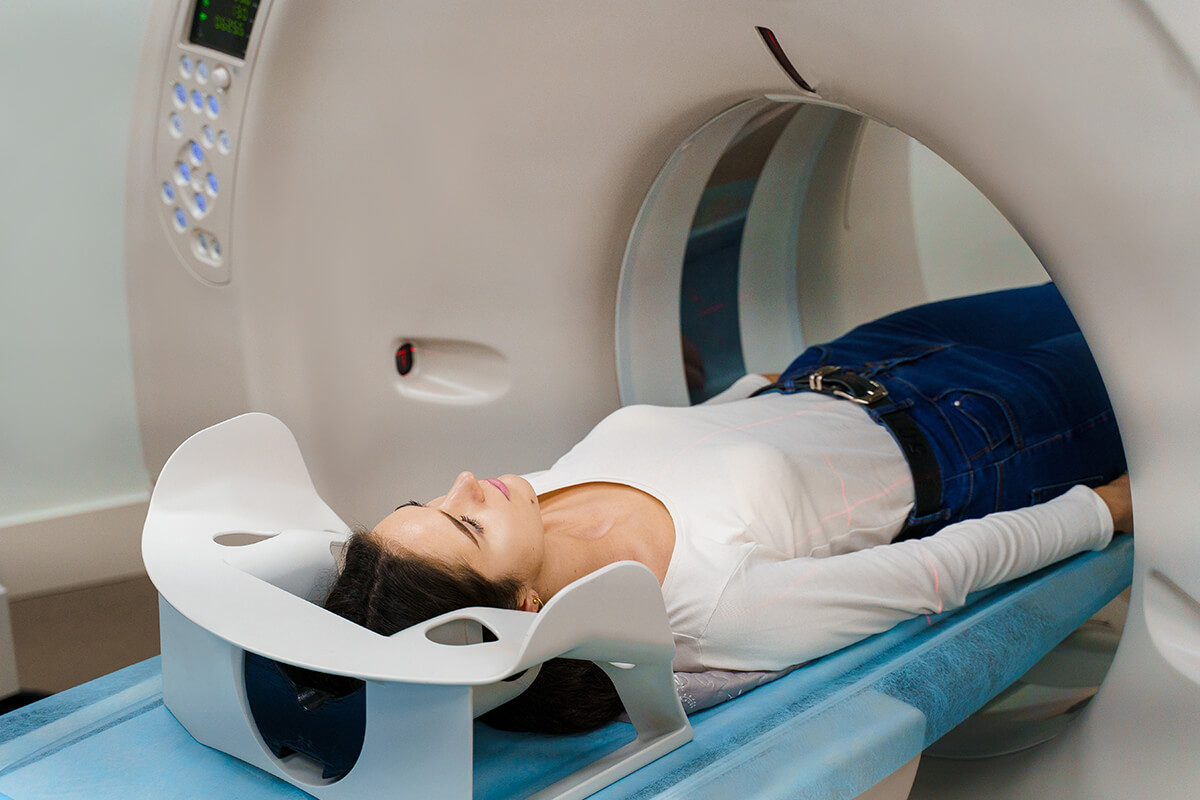
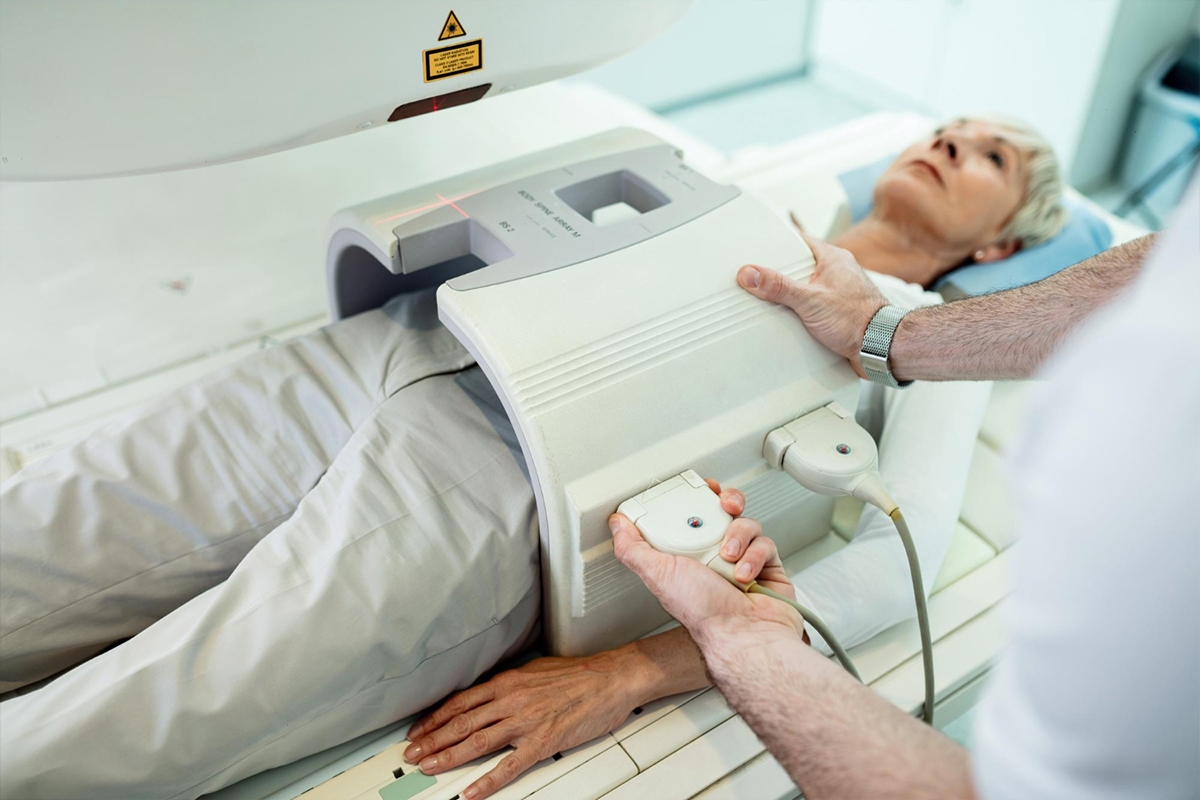
CT Urography / Magnetic Resonance Urography (MRU)
-
Advanced imaging techniques that provide detailed views of the urinary tract anatomy and obstructions.
Retrograde Pyelography
-
Dye is injected into the ureters via cystoscopy to pinpoint obstruction location and evaluate the ureter.
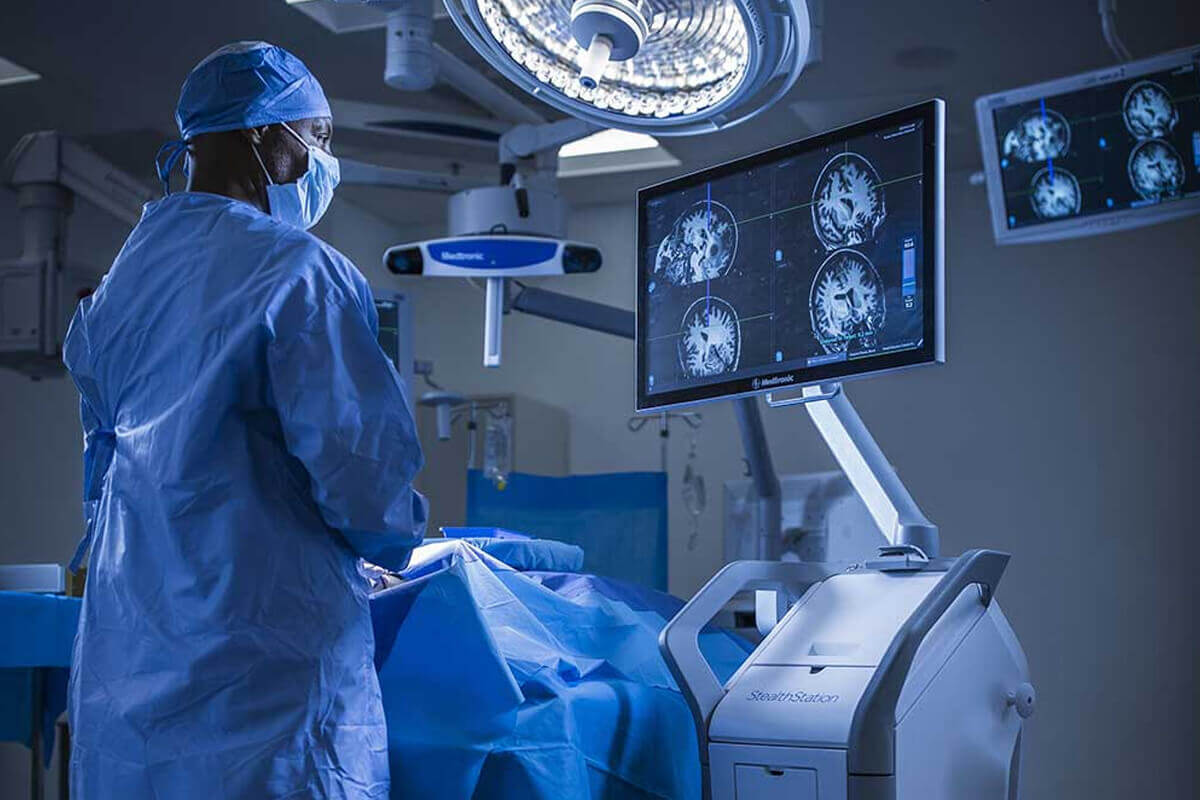
Renal Nuclear Scan
-
Uses radioactive tracers to assess kidney function and urinary drainage.

Cystoscopy
-
Allows direct visualization of the urethra, bladder, and ureteral openings with a camera.

Biopsy
-
In some cases, tissue samples from ureter or surrounding tumor may be taken for pathological diagnosis.
