
 702, 7th Floor, Solaris Kode, Near Khatu Shyam Temple, VIP Road, Vesu , Surat.
 drjennygandhi98@gmail.com
 +91 90033 03373
Varicose Veins


Varicose Veins
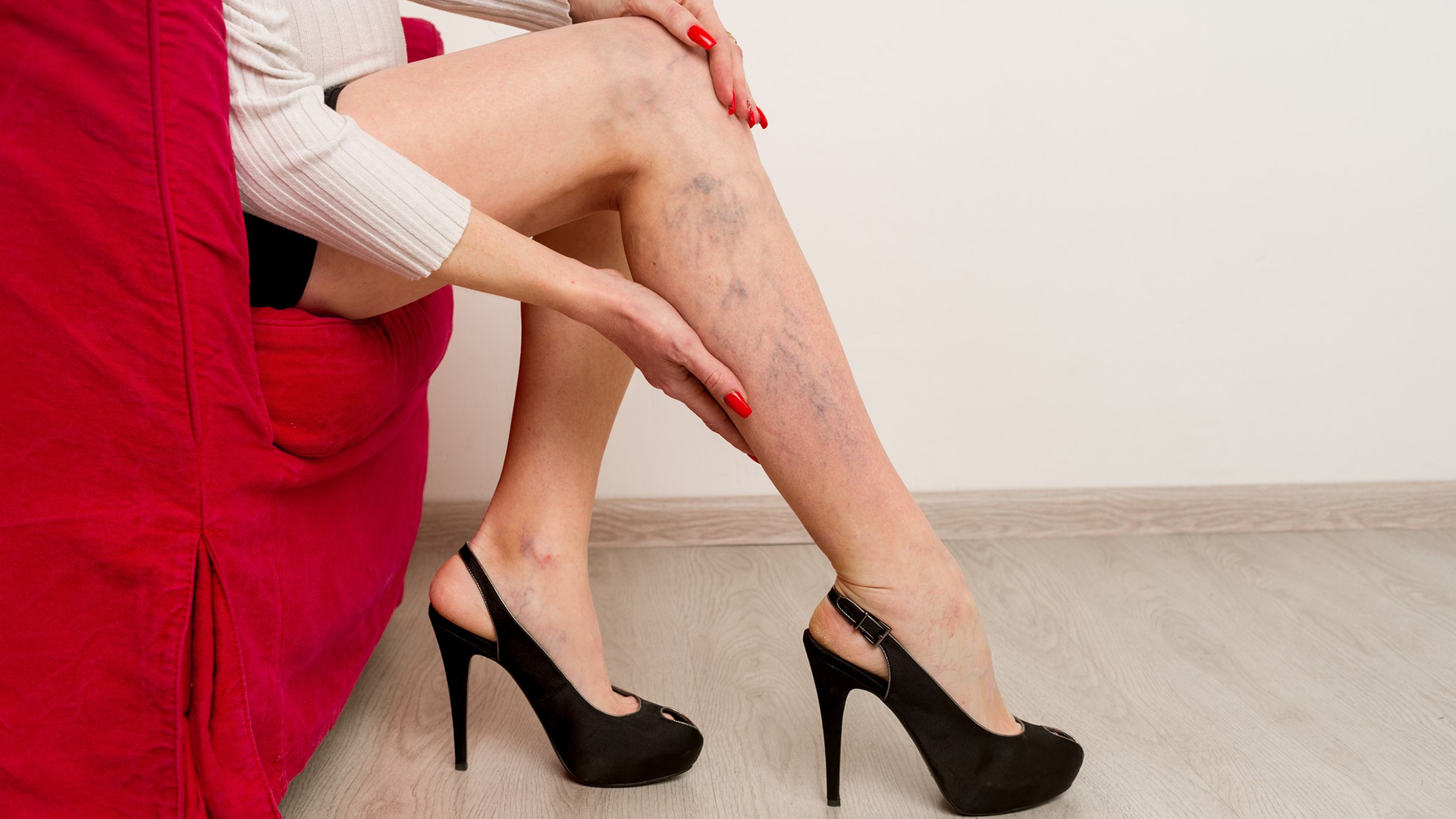

Increased pain, heaviness, and swelling in the legs
Worsening and more prominent twisted veins
Chronic venous insufficiency where veins fail to properly circulate blood
Skin changes such as discoloration, thickening, and dryness
Development of painful, non-healing venous ulcers near the ankles
Blood clots in superficial veins (superficial thrombophlebitis) or deeper veins (deep vein thrombosis, DVT)
Risk of life-threatening pulmonary embolism if clots travel to the lungs
Bleeding from superficial veins after minor injury
Reduced mobility and difficulties in daily activities
Emotional distress due to cosmetic appearance and physical discomfort
Diagnosis
Lorem Ipsum is simply dummy text of the printing and typesetting industry. Lorem Ipsum has been the industry's standard dummy text. Lorem Ipsum is simply dummy text of the printing and typesetting industry
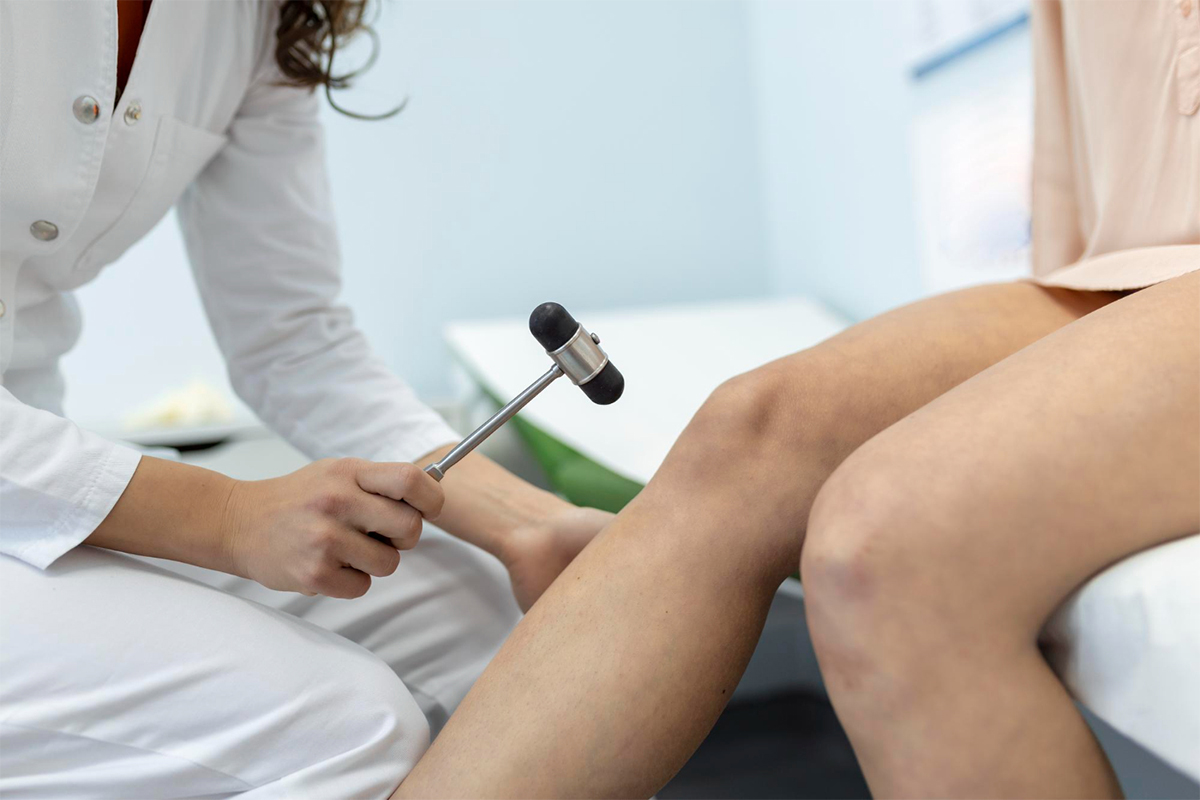
Physical examination
-
 The doctor inspects the legs for visible swollen, twisted veins while the patient is standing or sitting.
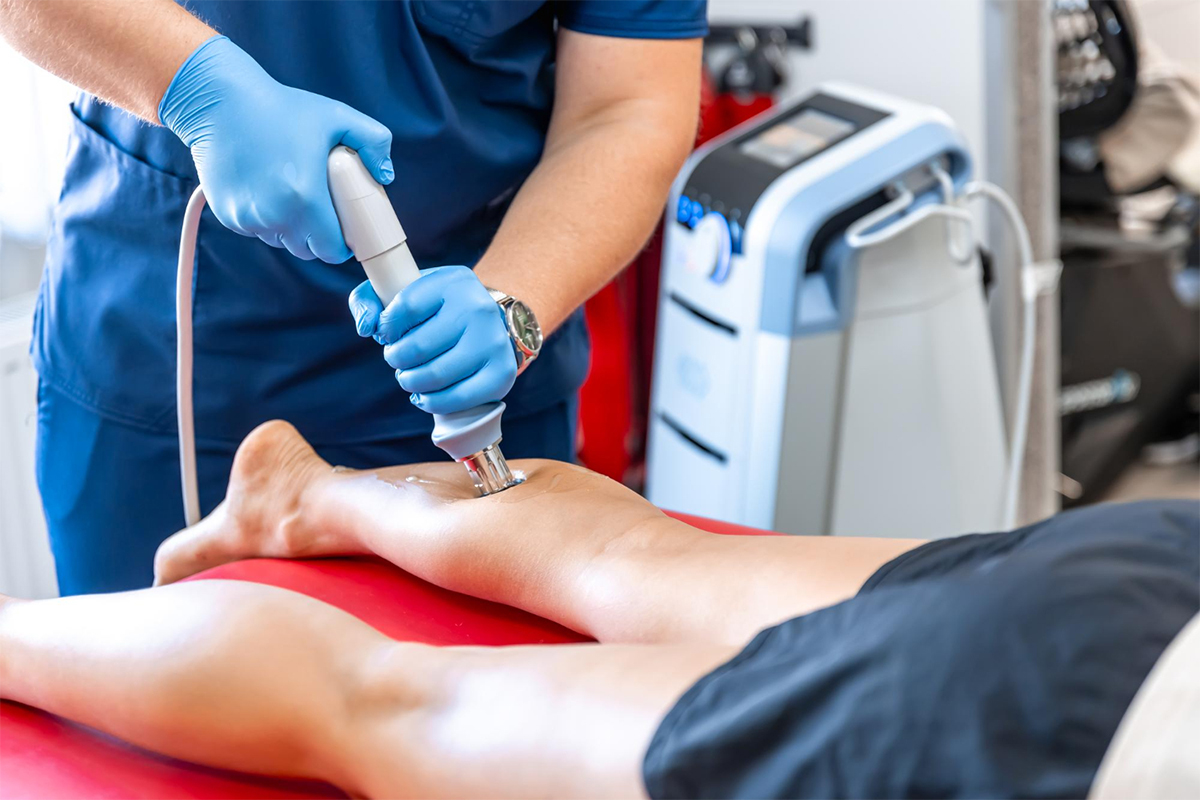
Duplex ultrasound
-
This painless test uses sound waves to visualize blood flow in the veins, check valve function, detect reflux (backward blood flow), and identify any blood clots.
