
 702, 7th Floor, Solaris Kode, Near Khatu Shyam Temple, VIP Road, Vesu , Surat.
 drjennygandhi98@gmail.com
 +91 90033 03373
Carotid Artery Stenosis


Carotid Artery Stenosis


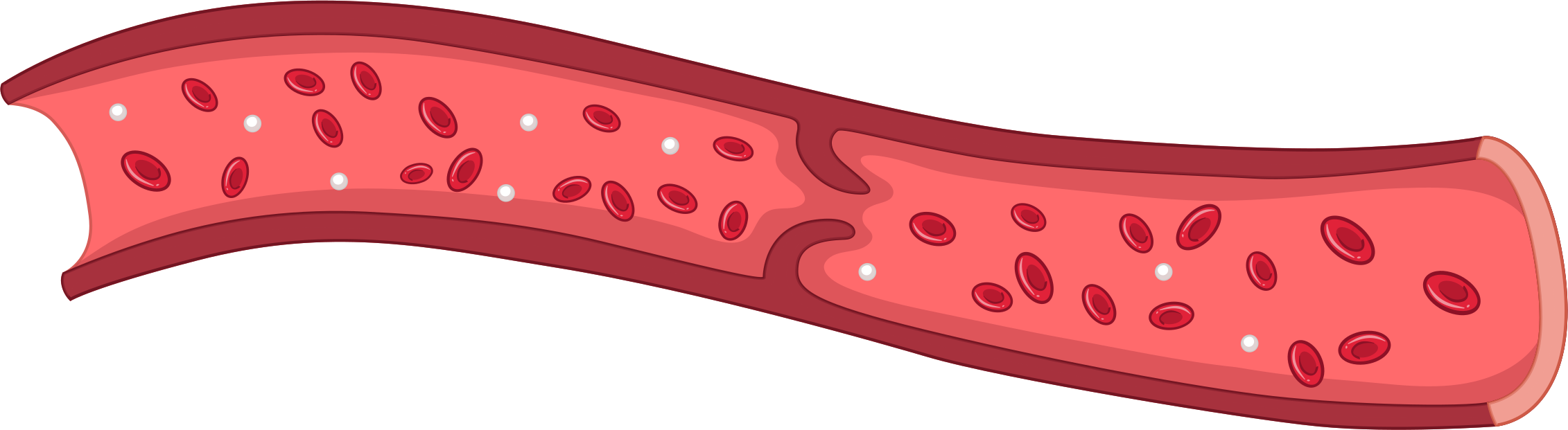
The biggest risk is a stroke brought on by either emboli (blood clots) rupturing from the constricted artery and obstructing smaller brain vessels, or by decreased blood flow to the brain.
Mini-strokes, also referred to as transient ischemic attacks (TIAs), are brief obstructions that produce symptoms similar to a stroke but pass quickly.
They frequently serve as early warning indicators of a major stroke.
Research indicates that untreated severe carotid stenosis increases the risk of stroke by three times and is linked to an increased risk of death over time.
Untreated stenosis has been linked to issues with processing speed, memory, and motor coordination.
If left untreated, stenosis can result in death or irreversible brain damage, depending on its severity.
diagnosis
Lorem Ipsum is simply dummy text of the printing and typesetting industry. Lorem Ipsum has been the industry's standard dummy text. Lorem Ipsum is simply dummy text of the printing and typesetting industry
Ultrasound Duplex
-
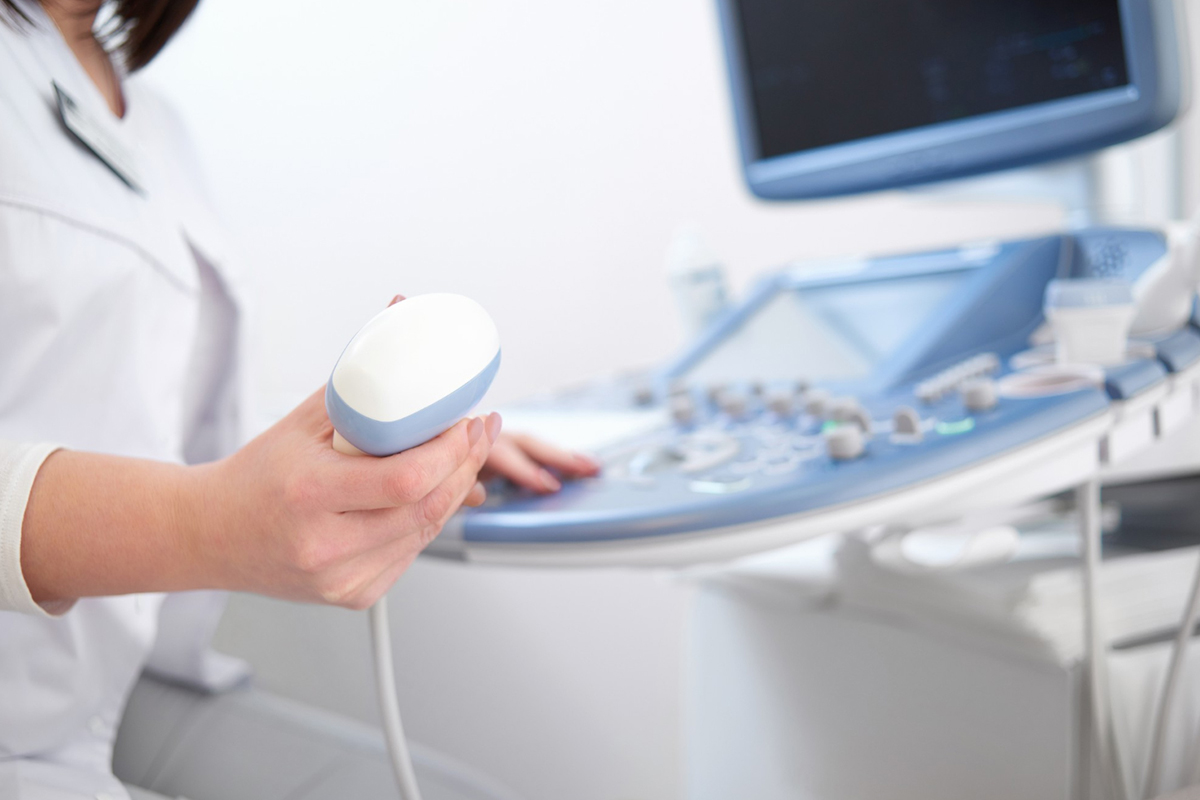
 The main non-invasive test is this one. It helps identify and quantify the degree of narrowing by imaging the carotid arteries and evaluating blood flow using sound waves.
CT Angiography (CTA)
-
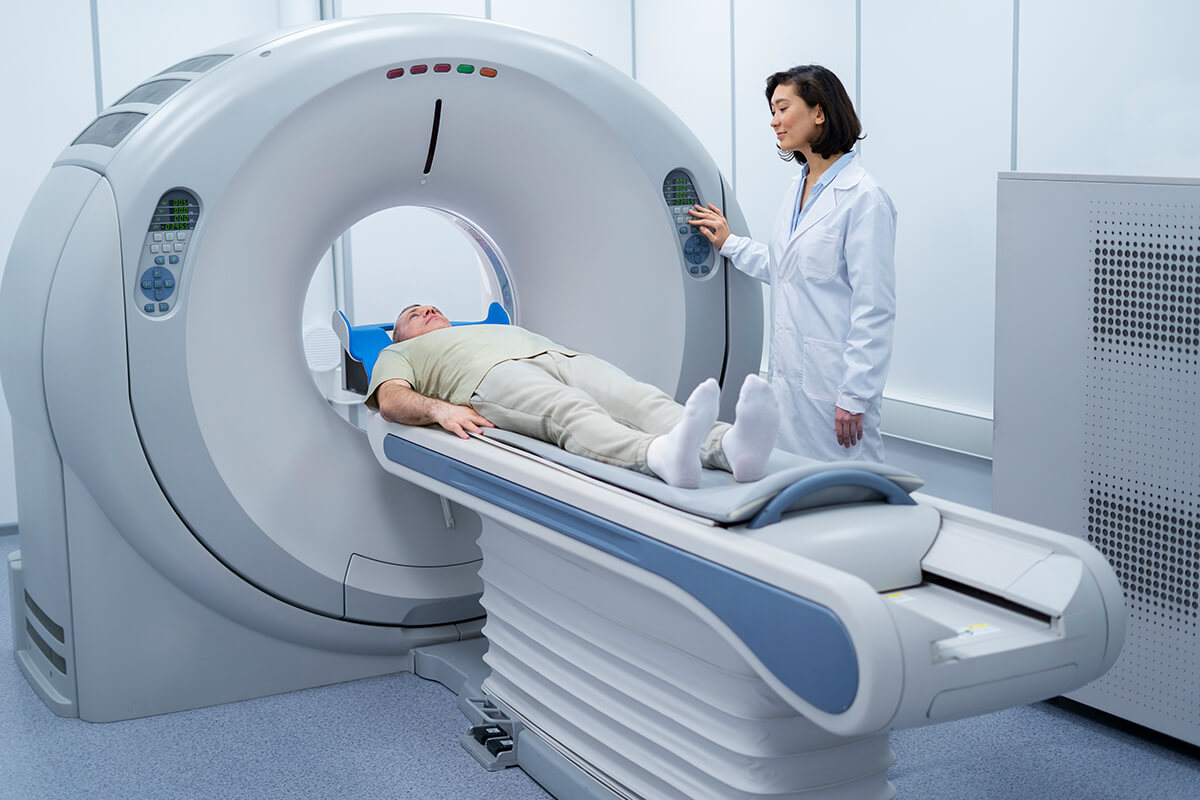
By combining contrast dye and X-rays, CTA produces fine-grained images of the carotid arteries that highlight the location and extent of blockages.
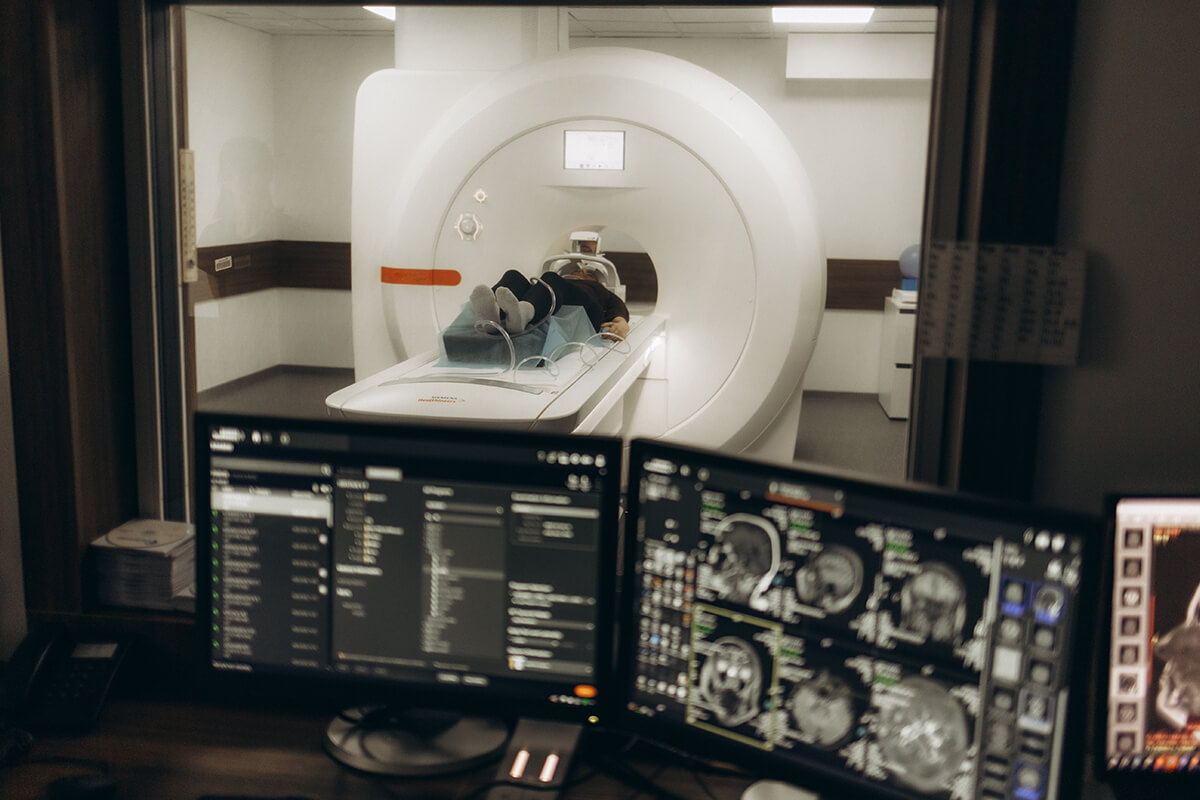
Angiography by Magnetic Resonance (MRA)
-
MRA creates radiation-free images of blood vessels using radio waves and magnets. It aids in assessing the features of plaque and artery narrowing.
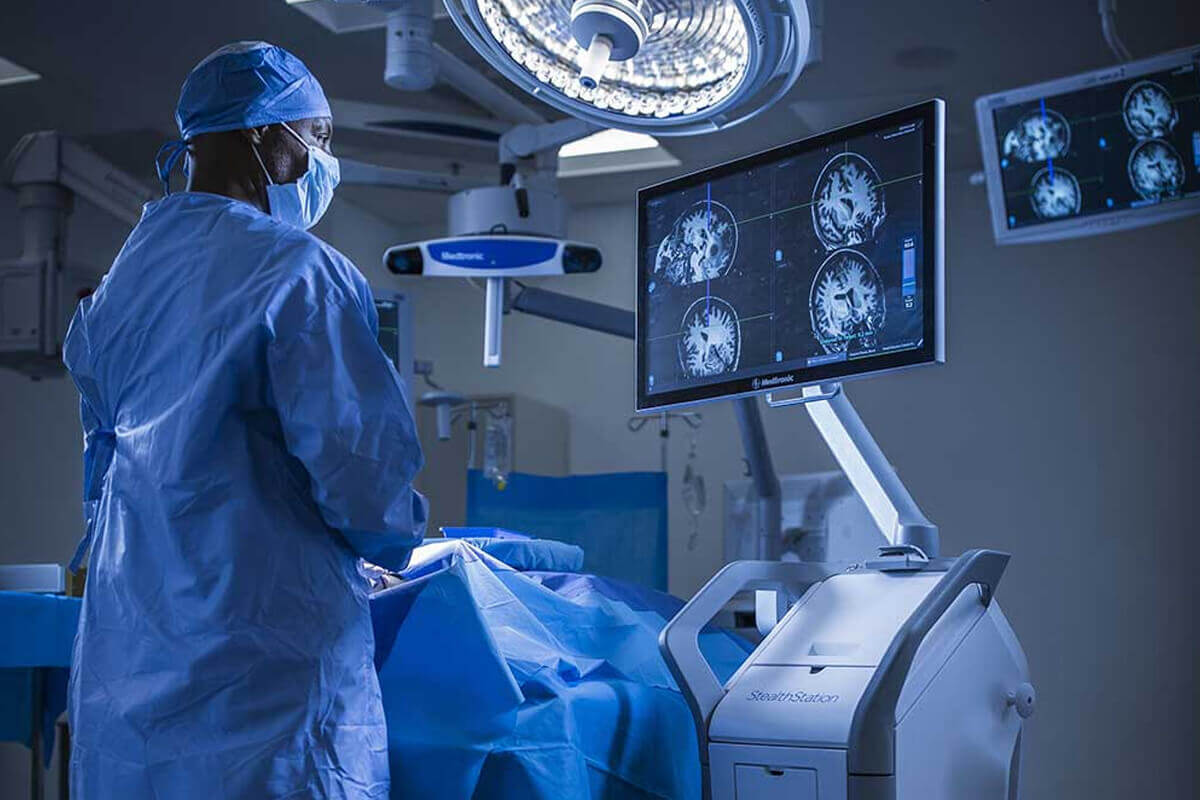
Cerebral angiography (DSA)
-
This invasive procedure, which is the gold standard test, entails inserting a catheter into the carotid artery and administering a dye injection to obtain precise X-ray images. It is primarily utilized when an intervention or surgery is scheduled.
