
 702, 7th Floor, Solaris Kode, Near Khatu Shyam Temple, VIP Road, Vesu , Surat.
 drjennygandhi98@gmail.com
 +91 90033 03373
Ischemic Stroke


Ischemic Stroke
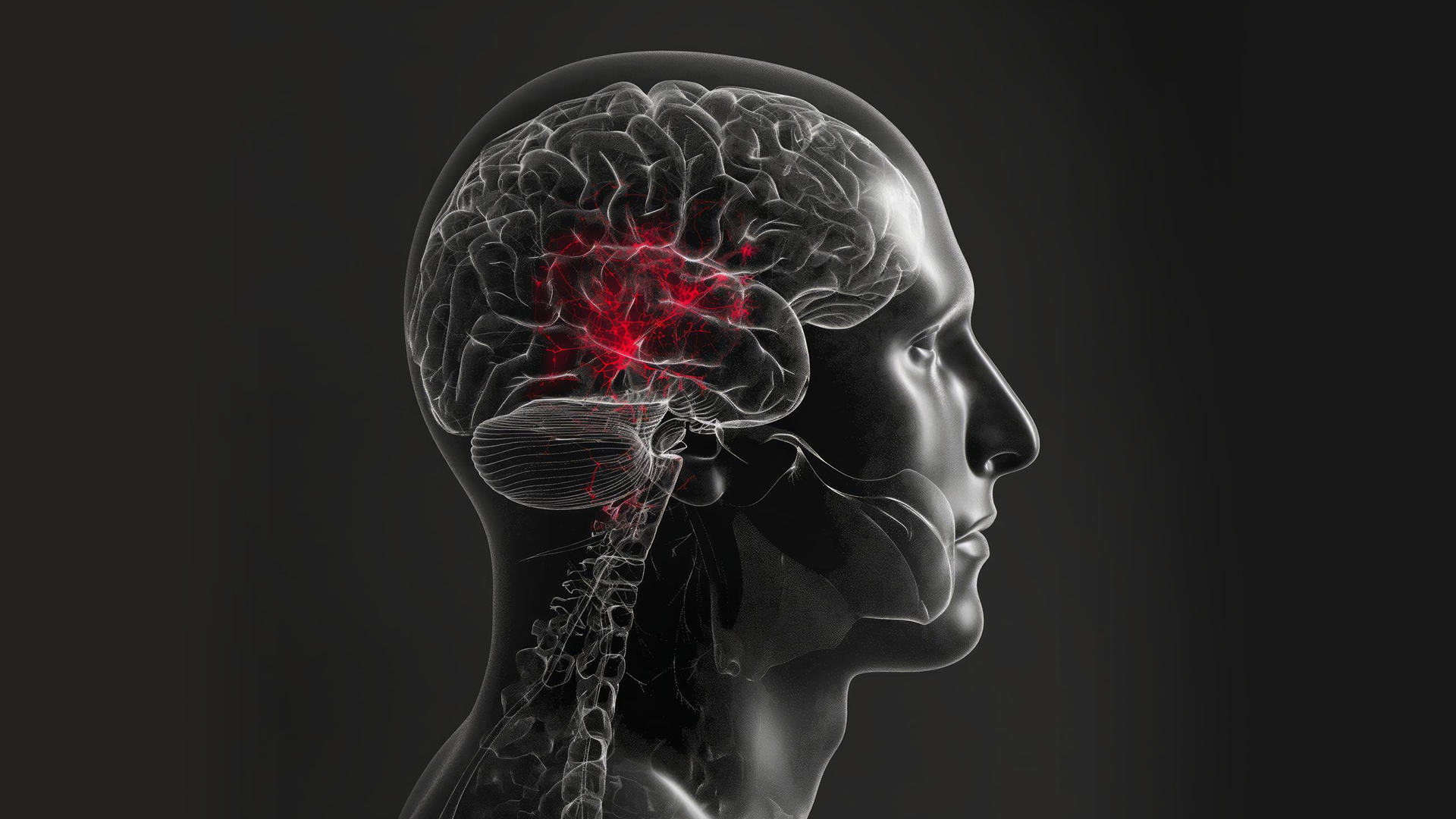
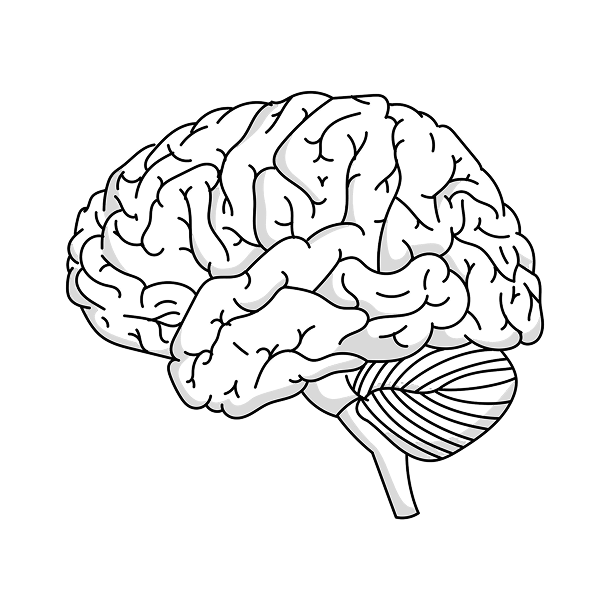

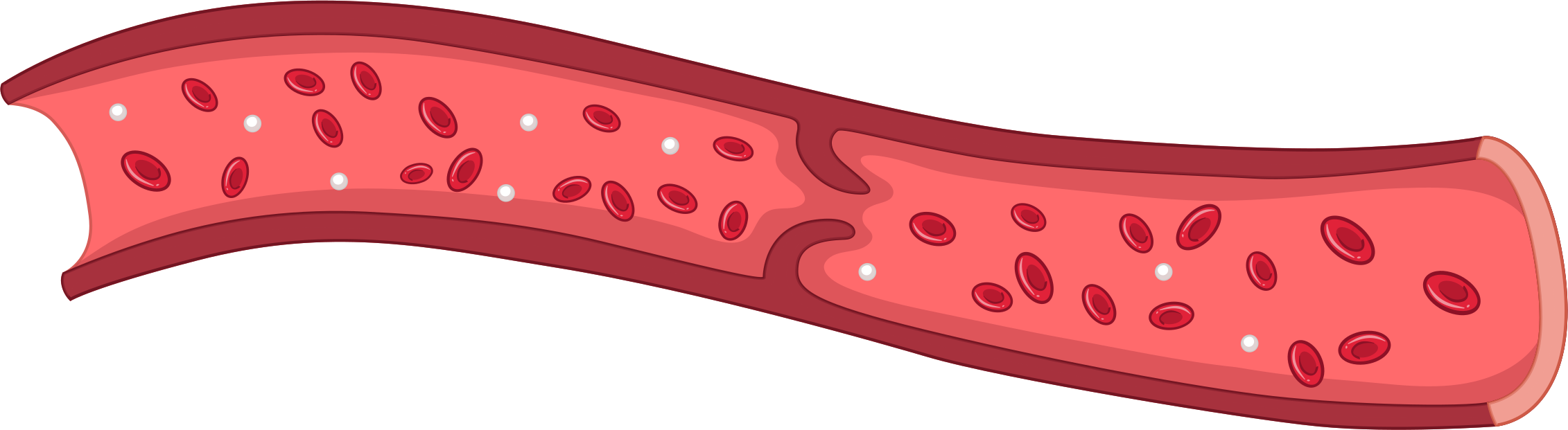
Irreversible loss of brain function and tissue results from inadequate blood flow.
If severe strokes are not treated right away, they may be lethal.
Damage to brain areas controlling speech and swallowing causes impairment.
Impairment results from damage to the brain regions that regulate speech and swallowing.
There may be cognitive deterioration and trouble thinking clearly.
Personality, mood, and emotional control can all be affected by a stroke.
Patients may feel strange sensations or chronic pain.
Following a stroke, depression and anxiety are prevalent.
Because of their disabilities, many stroke survivors require assistance with everyday tasks.
Physical and Neurological Exam
Assess symptoms, reflexes, strength, and speech.
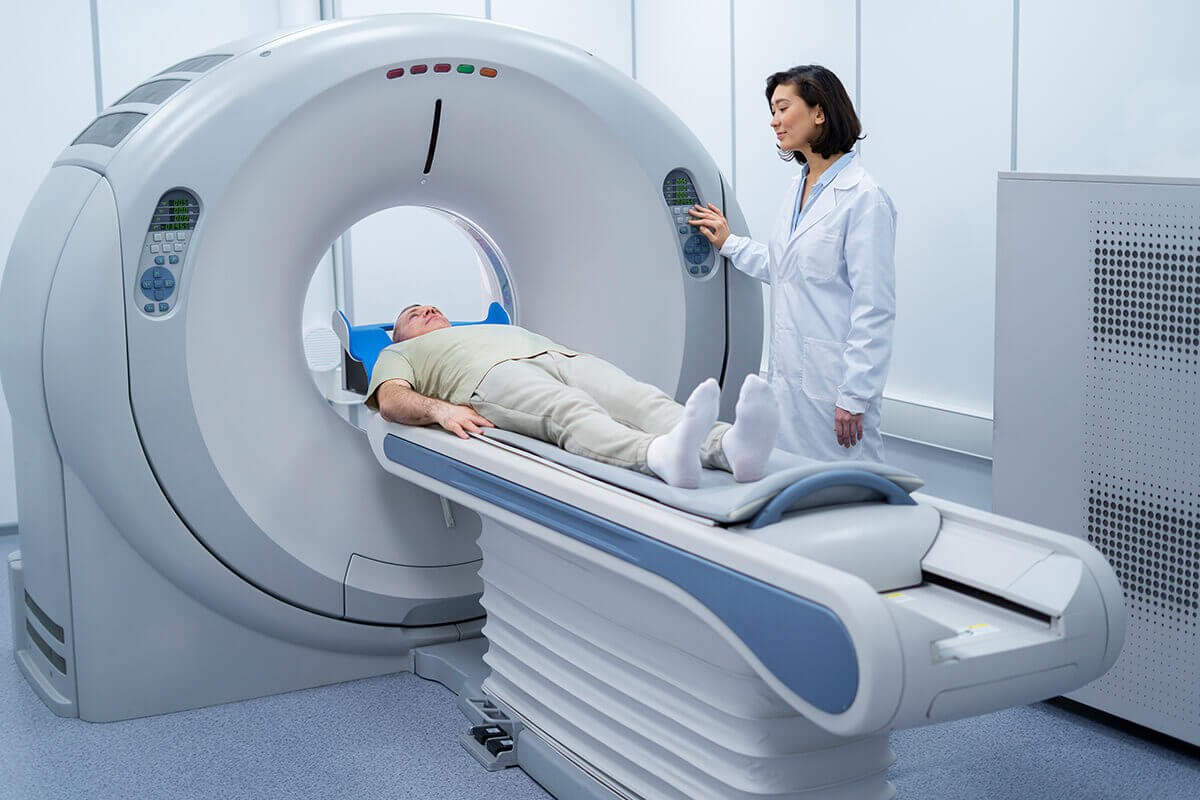
Computed Tomography (CT) Scan
-
 Quickly detects bleeding and brain damage.
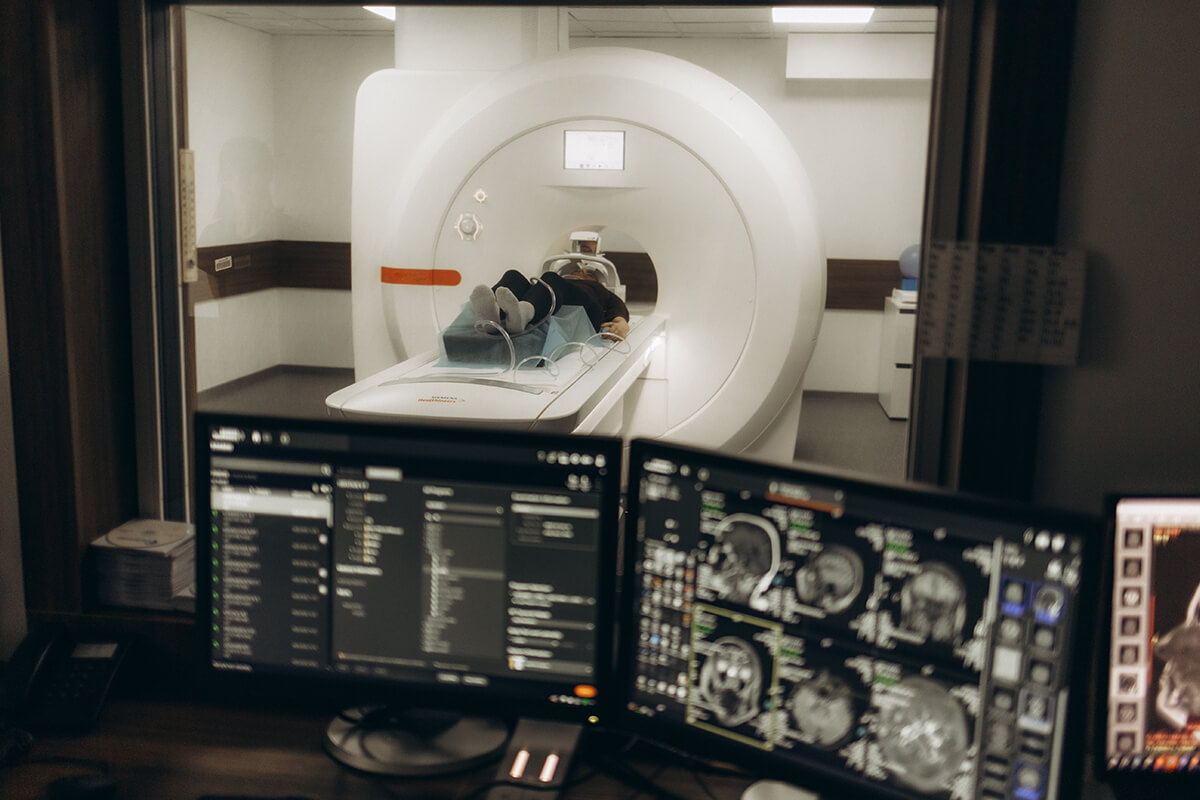
Magnetic Resonance Imaging (MRI)
-
Provides detailed images to identify ischemic areas.
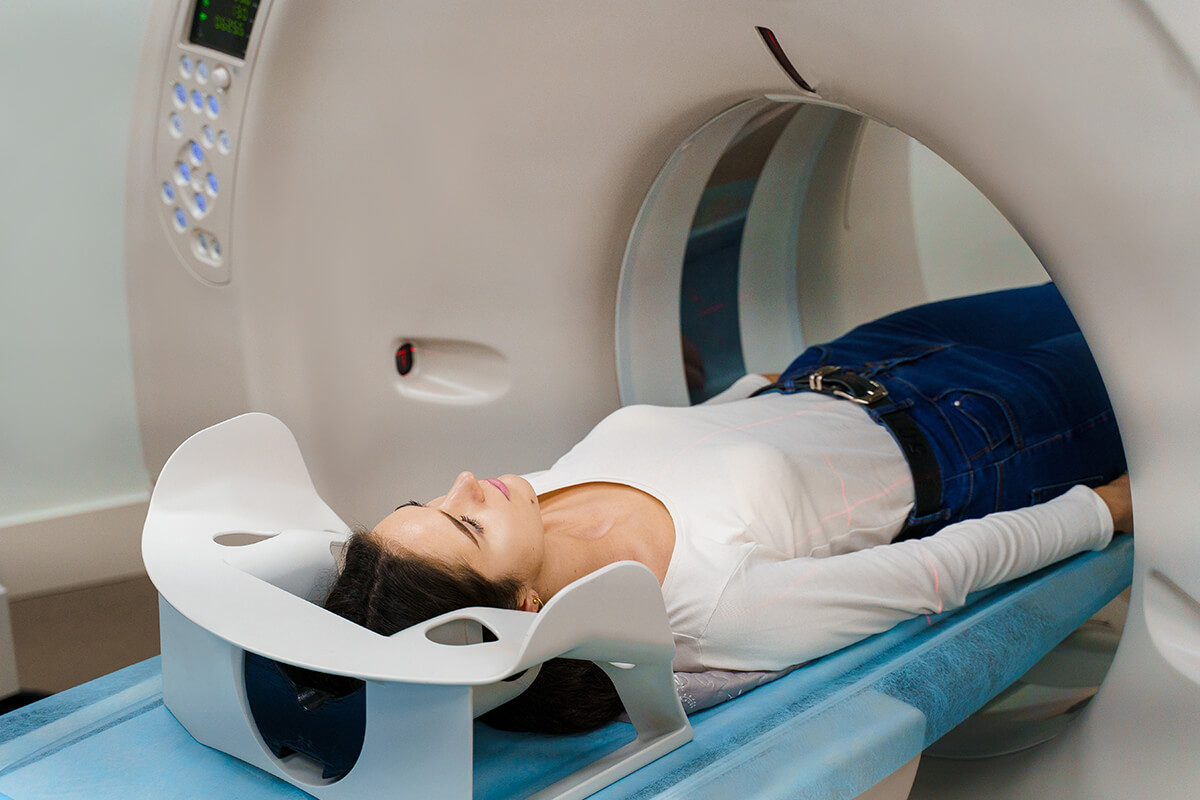
CT Angiography (CTA)
-
Visualizes blood vessels to detect blockages.
Magnetic Resonance Angiography (MRA)
-
Non-invasive imaging of cerebral vessels.
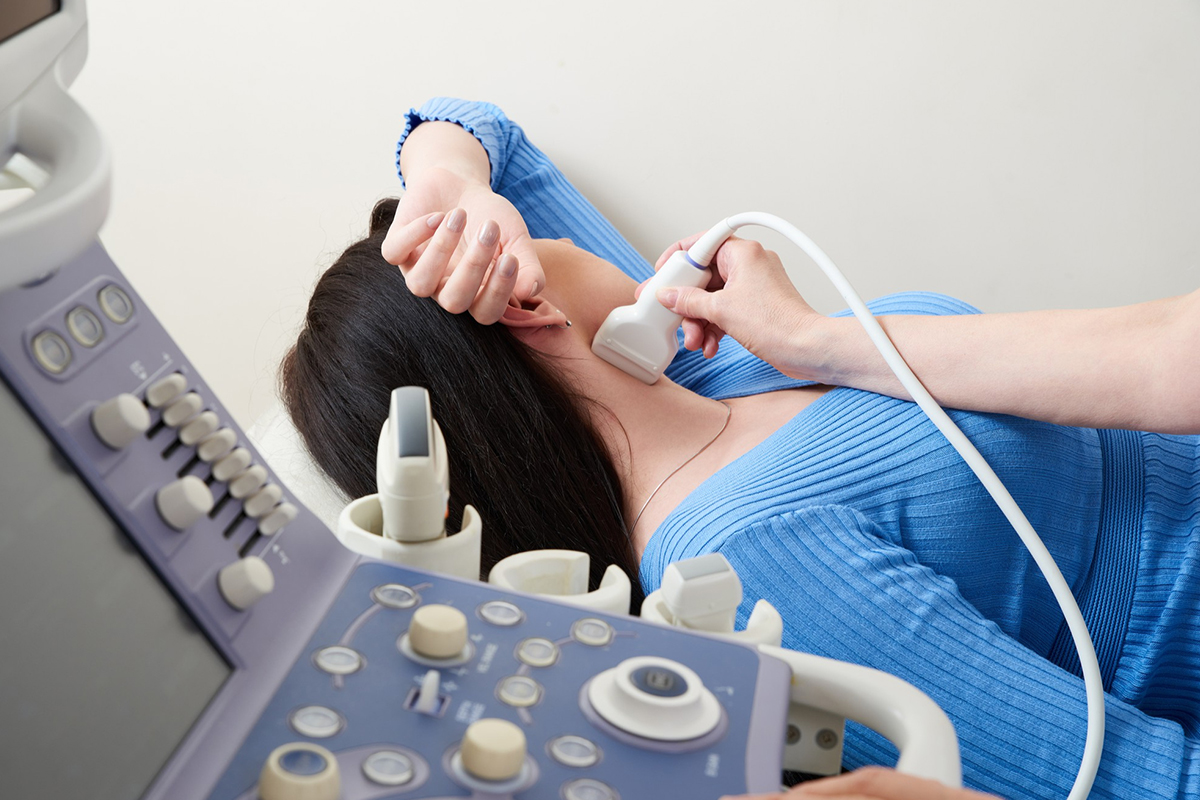
Carotid Ultrasound
-
Assesses blood flow and blockages in neck arteries.
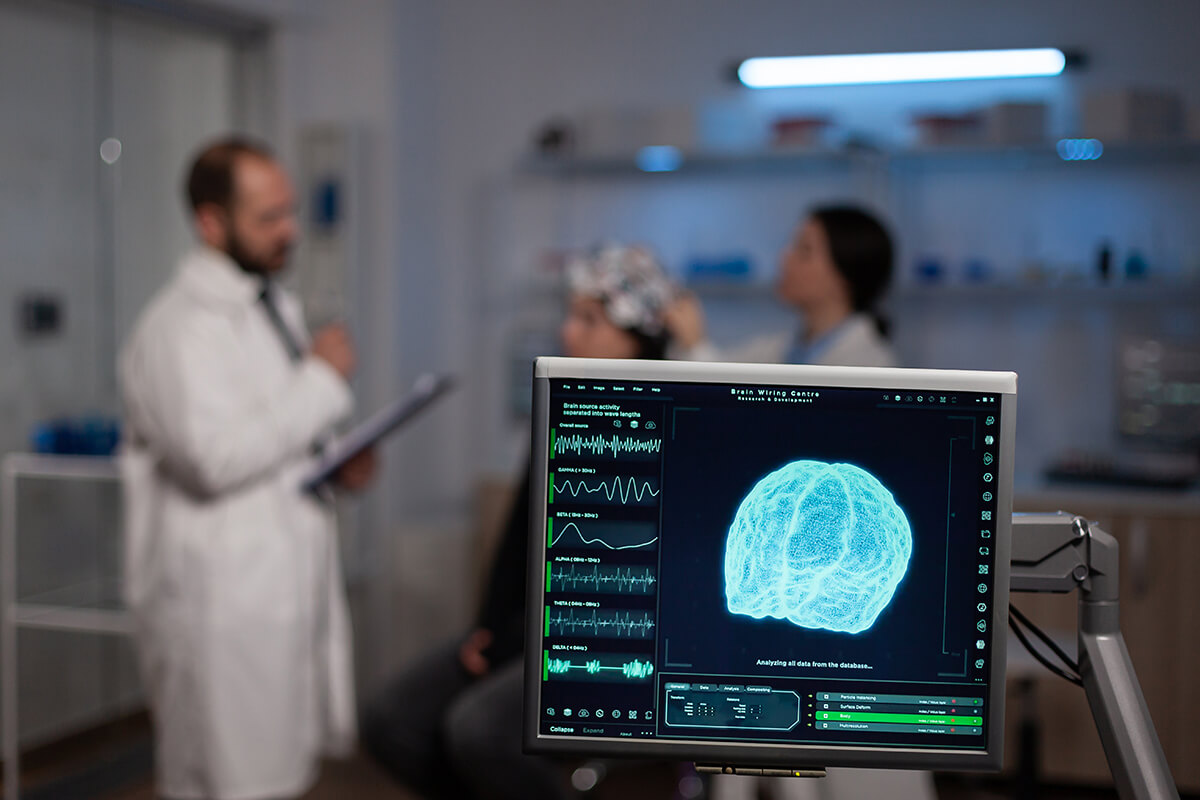
Cerebral Angiography
-
Detailed X-ray with dye to visualize blood vessels.
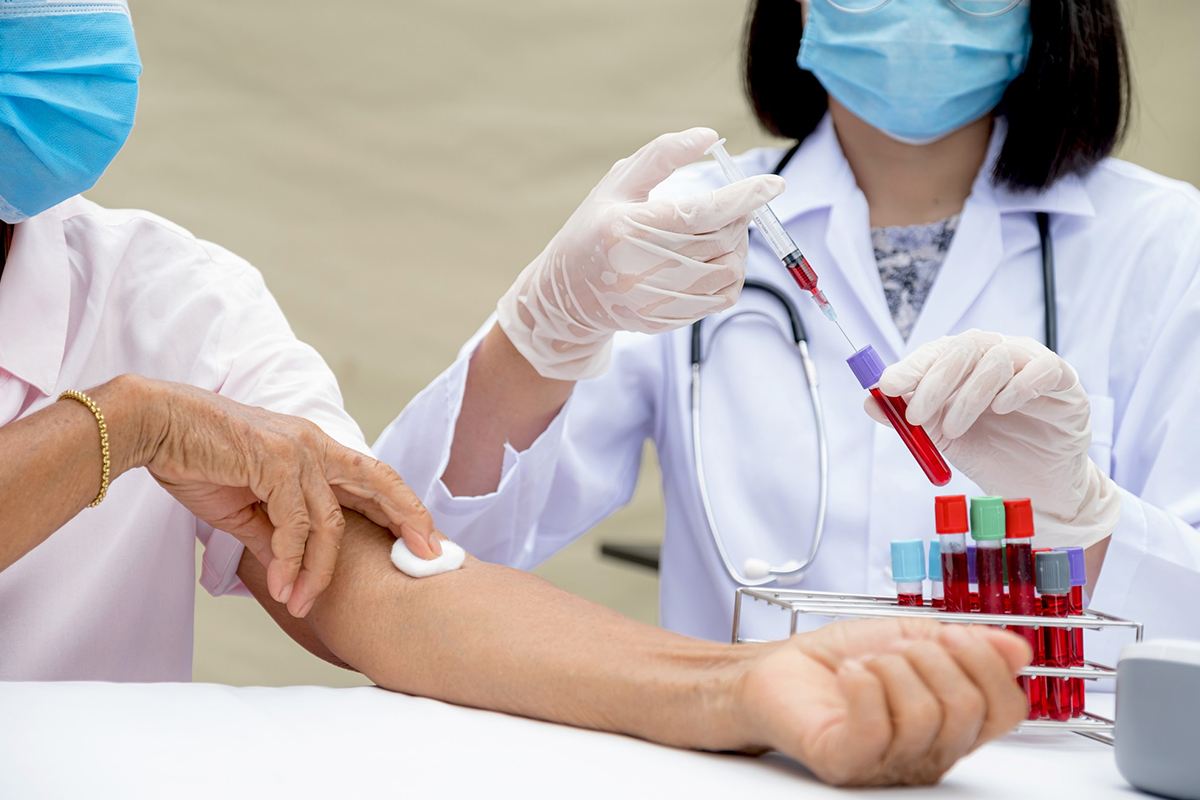
Blood Tests
-
Check clotting, blood sugar, and infection.
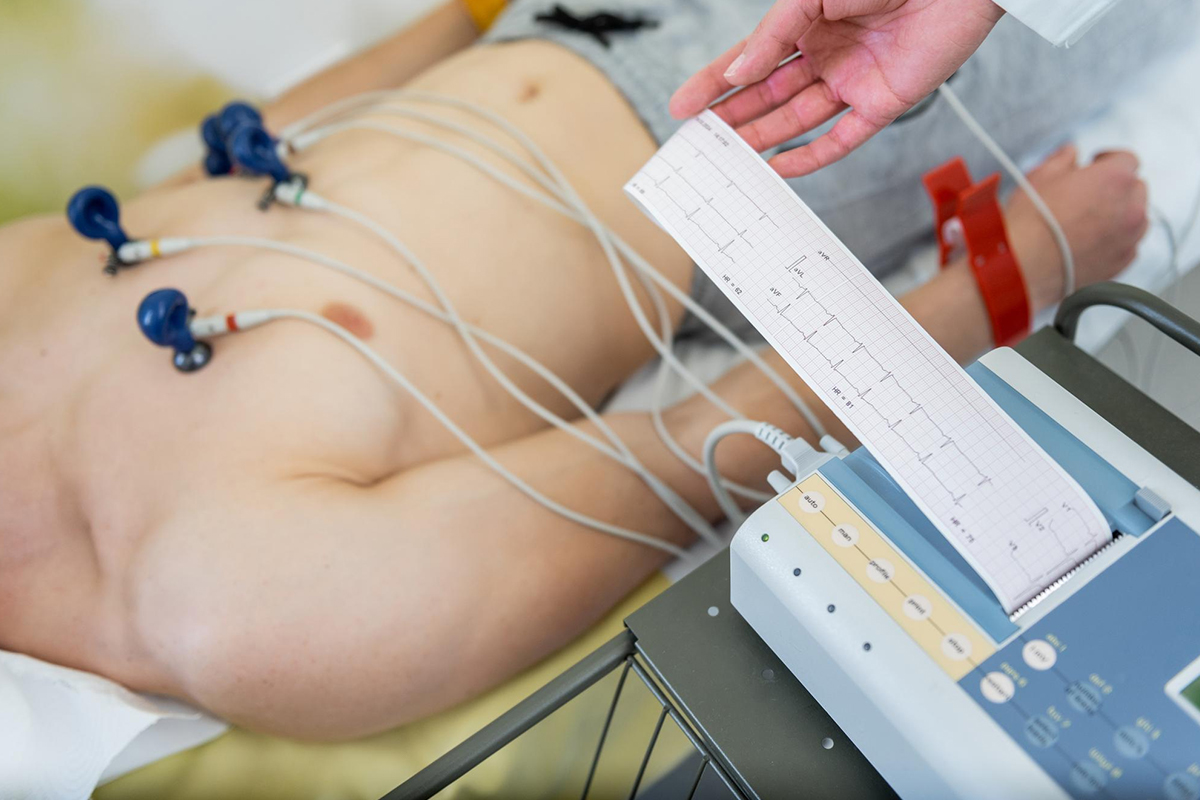
Electrocardiogram (ECG/EKG)
-
Detects heart problems causing embolic stroke
