



 702, 7th Floor, Solaris Kode, Near Khatu Shyam Temple, VIP Road, Vesu , Surat.
 drjennygandhi98@gmail.com
 +91 90033 03373
Liver Cancer


Liver Cancer
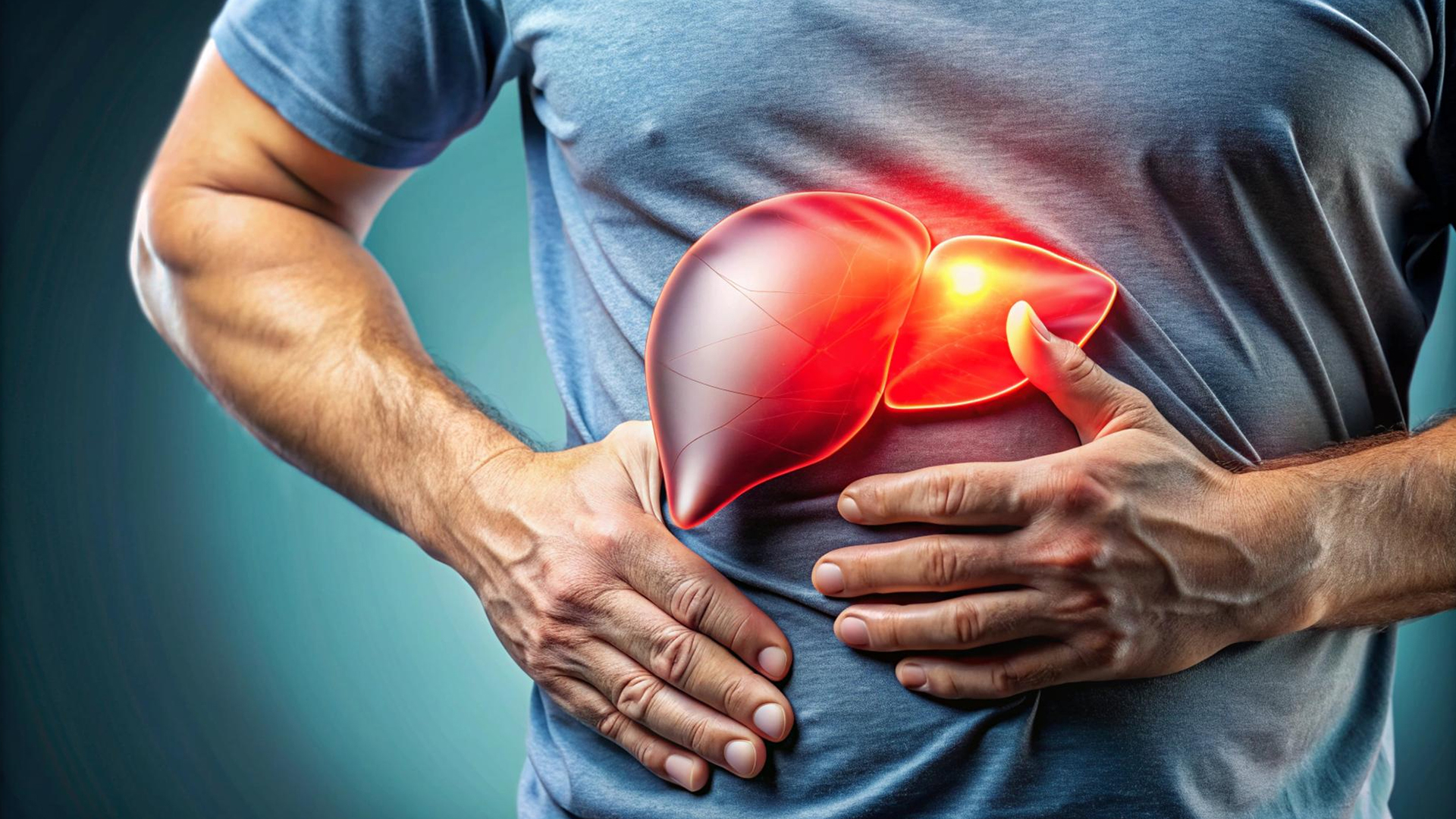



Patients with untreated hepatocellular carcinoma (HCC) have an overall median survival of 6 to 9 months.
As the cancer progresses, survival drastically declines; patients who are left untreated at an advanced stage typically only live 4 to 8 months, whereas those who are left untreated at an early stage may live up to 2-3 years.
Tumor growth, which frequently results in liver failure and complications like ascites, is the primary cause of death in advanced or end-stage HCC.
The risk of death is three times higher for untreated cases than for treated ones.
Other cancers' liver metastases also signify advanced disease with a dismal prognosis in the absence of treatment.
If left untreated, liver cancer can cause progressive symptoms that can quickly lead to death, including worsening jaundice, severe abdominal pain, liver failure, coagulopathy, and cachexia.
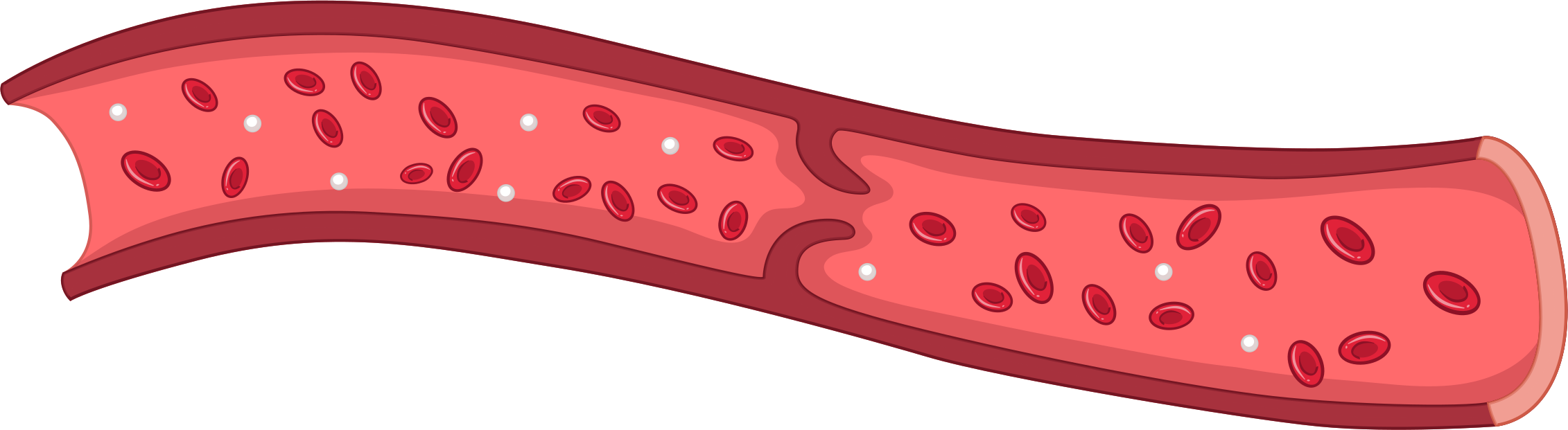
diagnosis
Lorem Ipsum is simply dummy text of the printing and typesetting industry. Lorem Ipsum has been the industry's standard dummy text. Lorem Ipsum is simply dummy text of the printing and typesetting industry
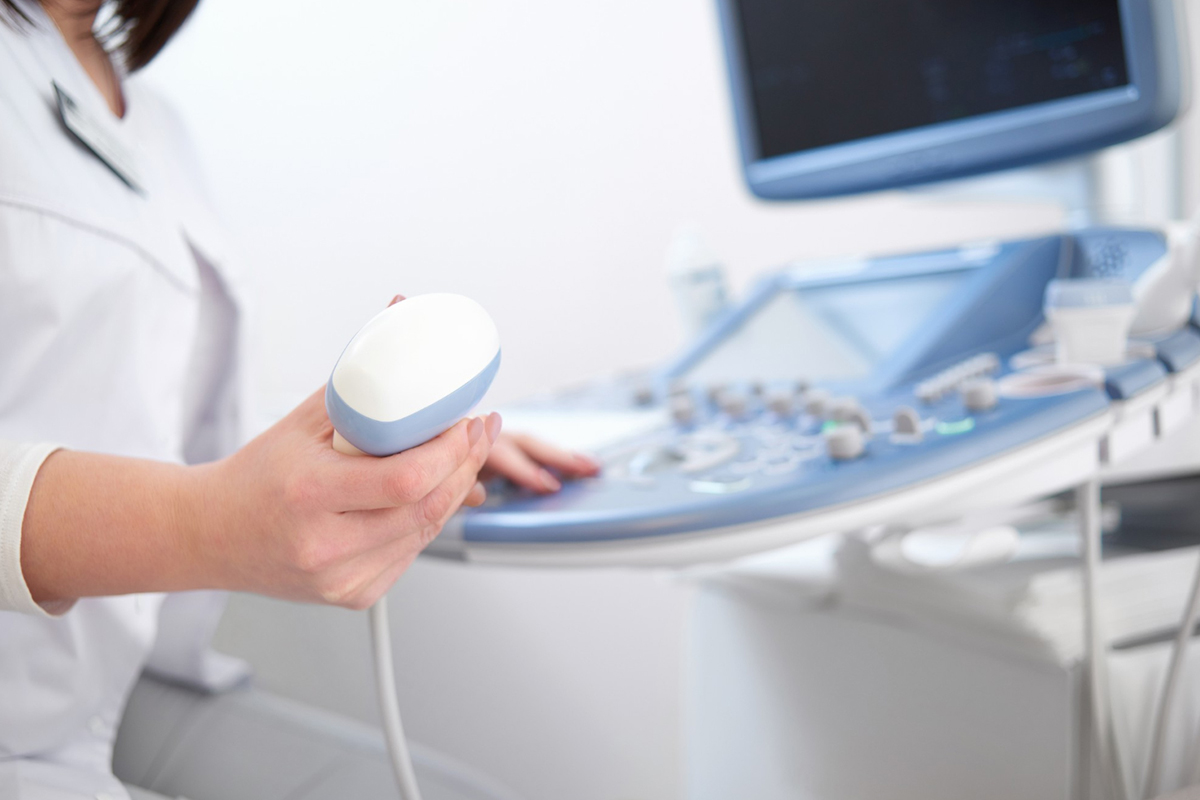
Ultrasound
-
 Initial screening tool to detect liver lesions; can distinguish solid tumors from cysts and evaluate blood flow using Doppler imaging.
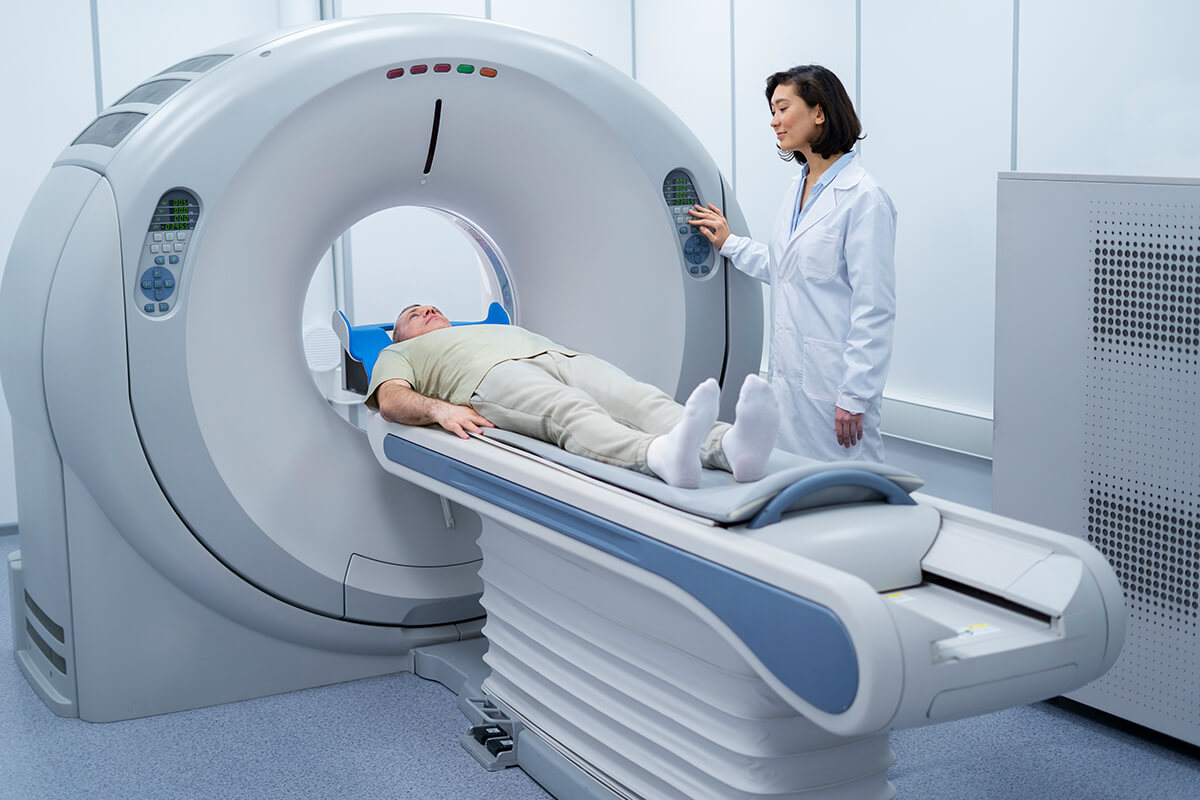
Computed Tomography (CT) Scan
-
Often a multiphase or triphasic CT scan which takes images at different times after contrast injection to assess tumors, size, location, and vascular invasion.
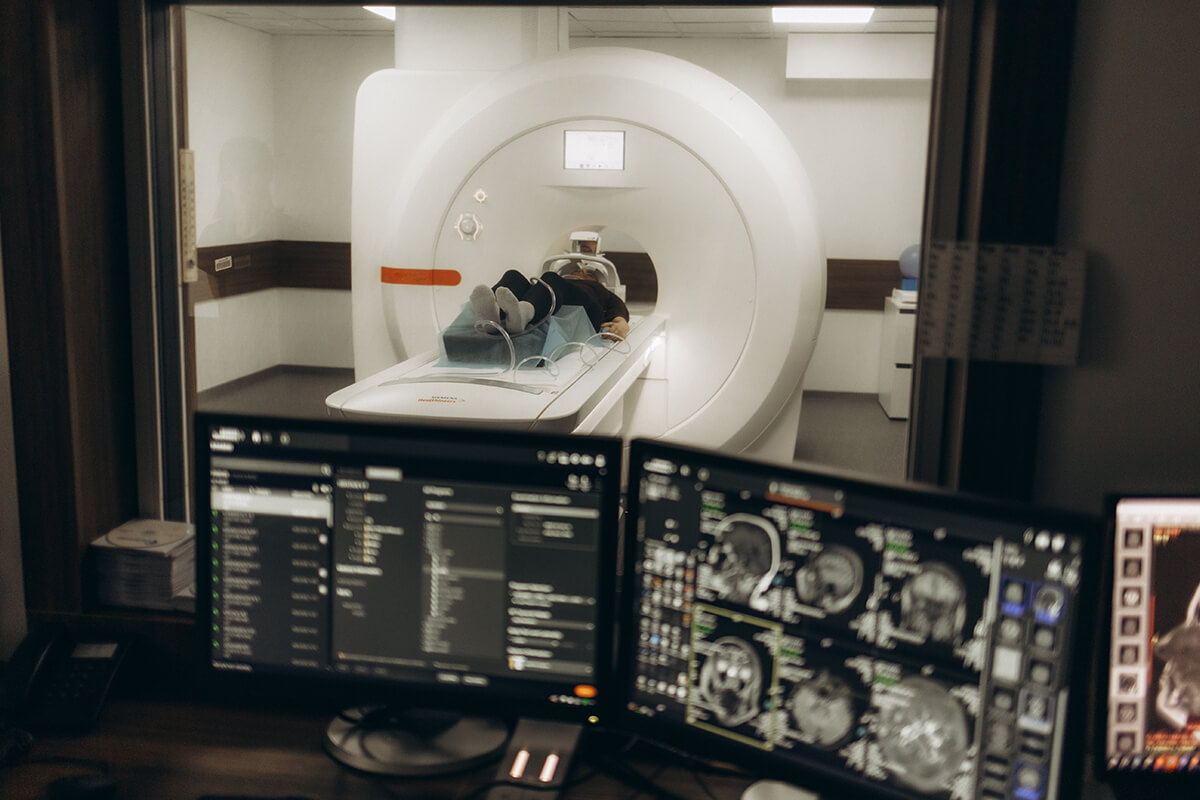
Magnetic Resonance Imaging (MRI)
-
Provides detailed images of liver tissue and blood vessels, useful for tumor characterization and staging. Special liver-specific contrast enhances detection.
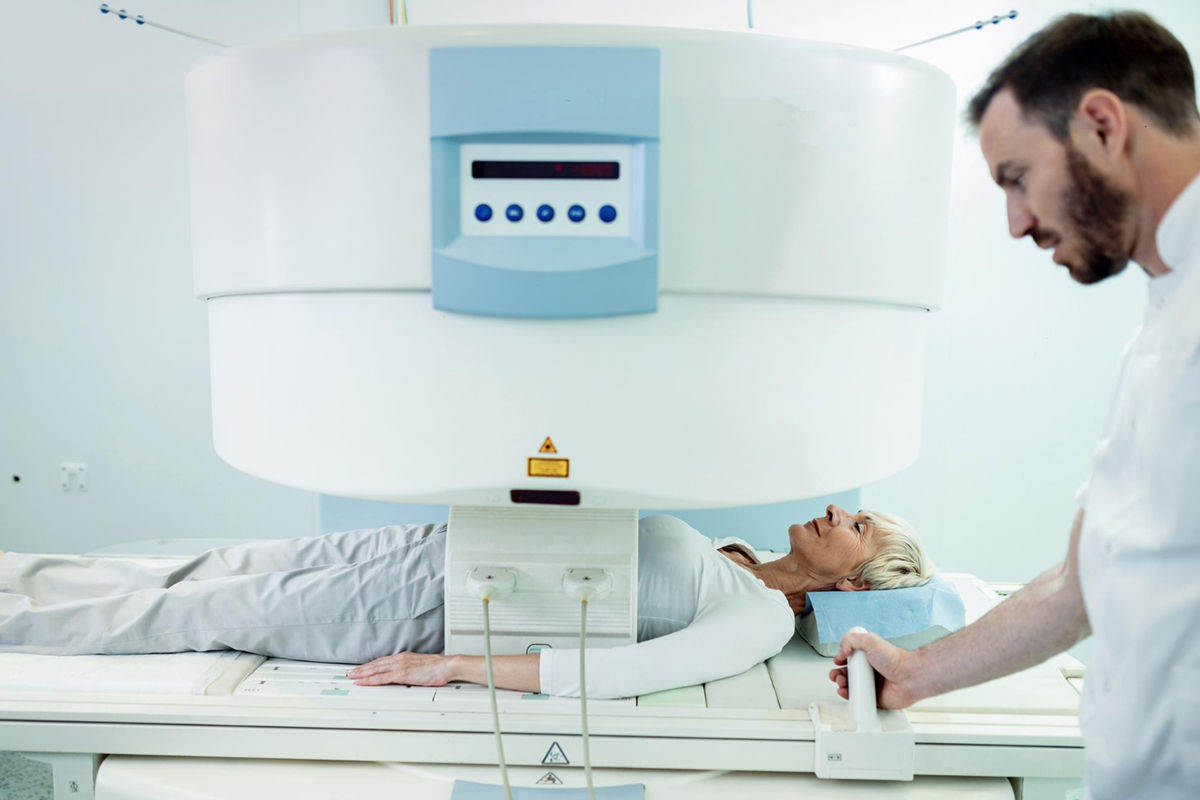
Positron Emission Tomography (PET) Scan
-
Used especially for detecting metastases or advanced disease.
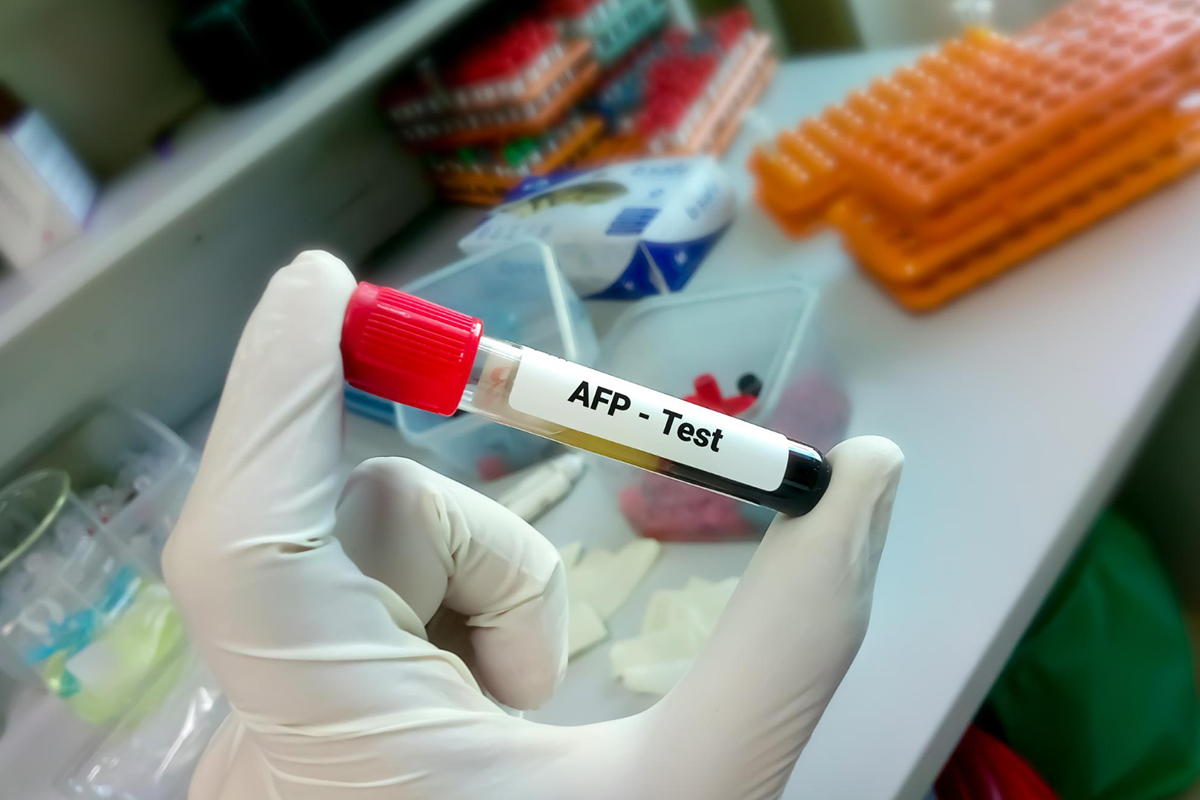
Alpha-fetoprotein (AFP)
-
A tumor marker elevated in many hepatocellular carcinoma (HCC) cases.
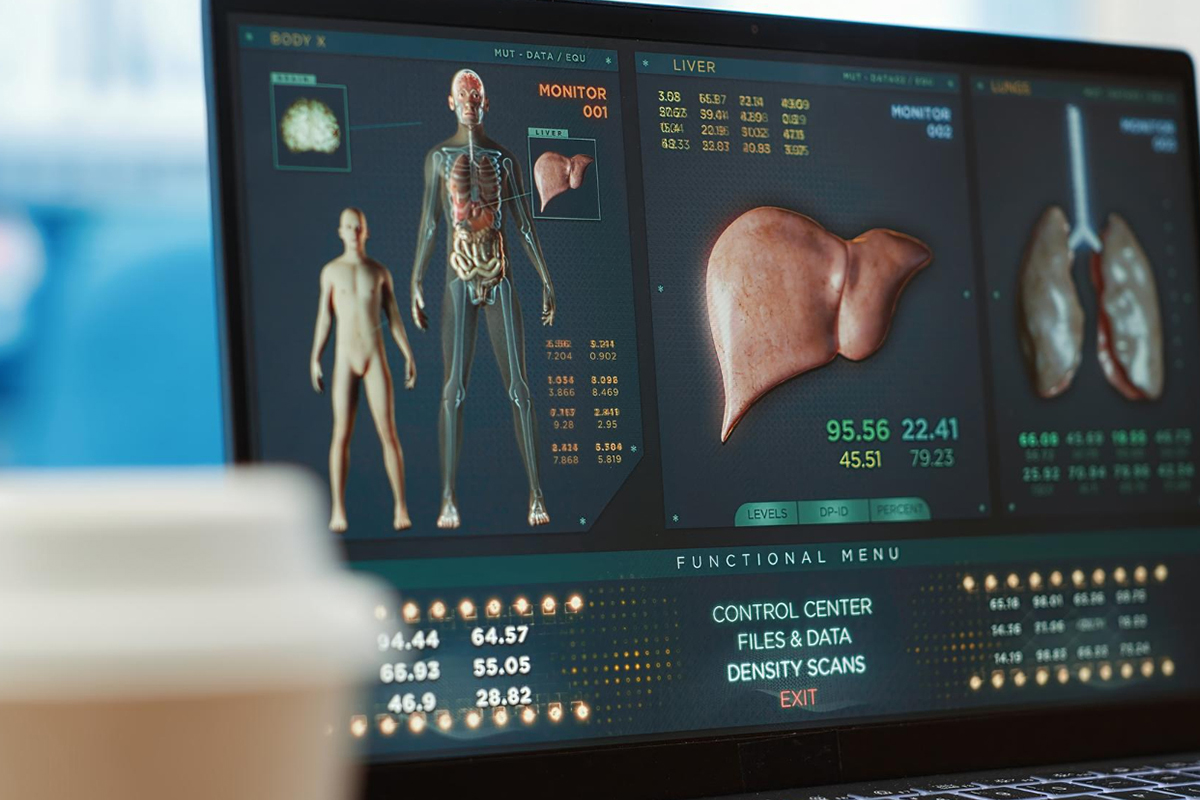
Liver Function Tests
-
To assess liver damage and function including bilirubin, ALT, AST, and INR.
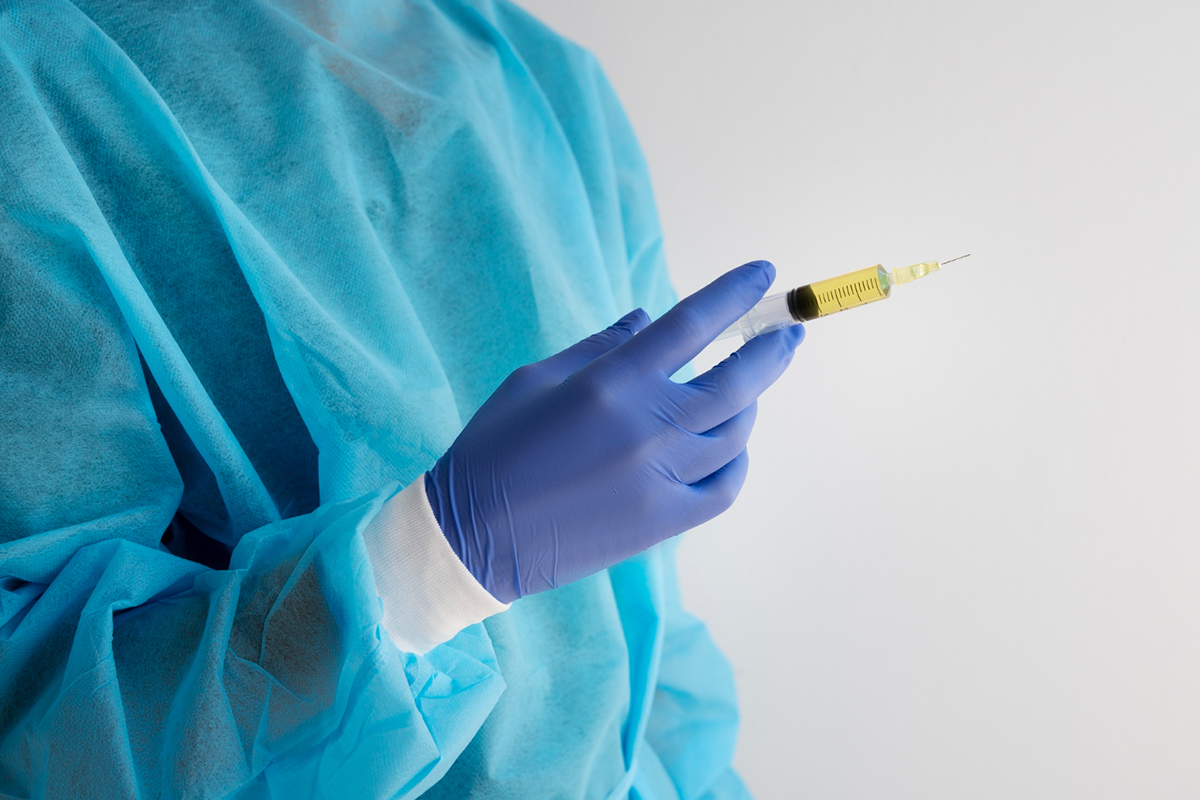
Needle Biopsy
-
A sample of liver tissue is taken with a fine or core needle for microscopic examination to confirm cancer diagnosis when imaging is inconclusive.
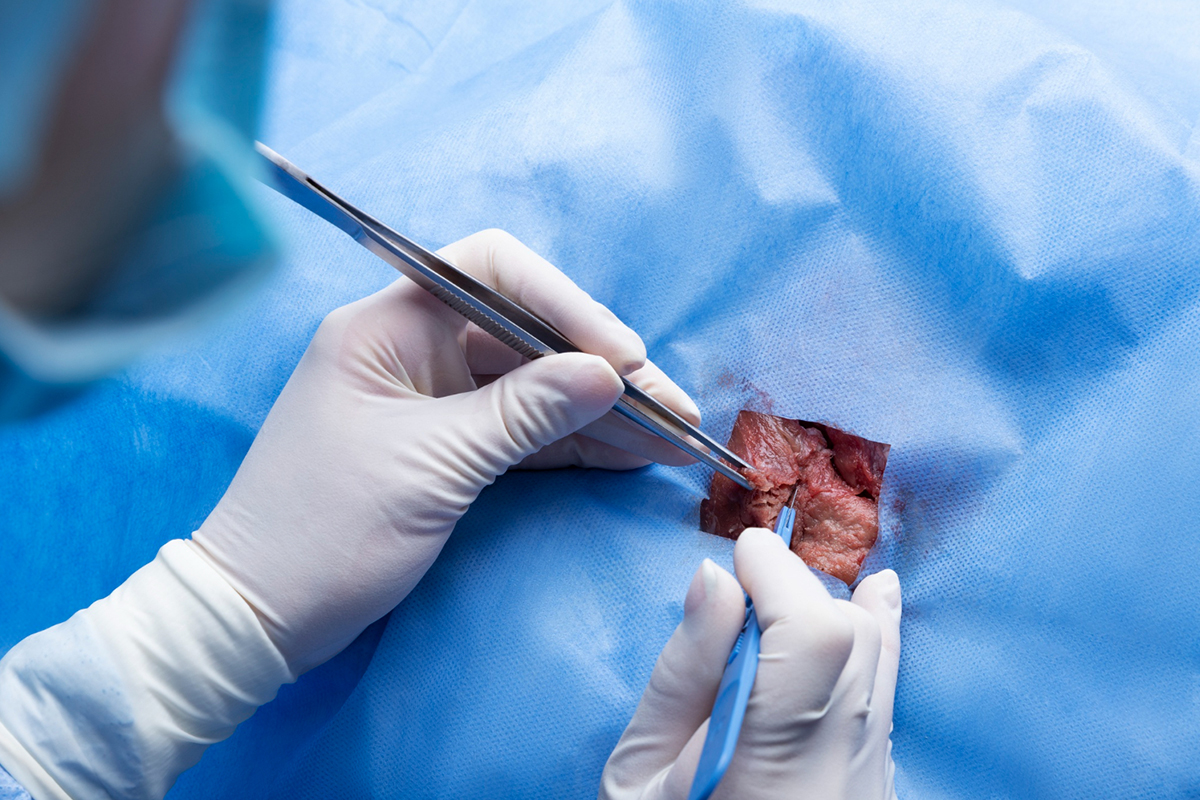
Laparoscopy
-
A minimally invasive procedure to visually inspect the liver and obtain tissue samples if necessary.
