
 702, 7th Floor, Solaris Kode, Near Khatu Shyam Temple, VIP Road, Vesu , Surat.
 drjennygandhi98@gmail.com
 +91 90033 03373
Peripheral Arterial Occlusive Disease


Peripheral Arterial Occlusive Disease



Gangrene, where tissues die due to lack of blood flow, potentially leading to amputation.
Increased risk of heart attack and stroke due to plaque buildup in arteries supplying the heart and brain.
Chronic pain in the legs, which can become constant and severe even at rest.
Difficulty walking and reduced mobility from muscle pain and weakness.
Non-healing sores or ulcers on the legs and feet that can become infected.
Poor circulation making it harder for the body to fight infections in the affected limbs.
Progression to critical limb ischemia, a severe blockage causing intense pain and potential tissue loss.
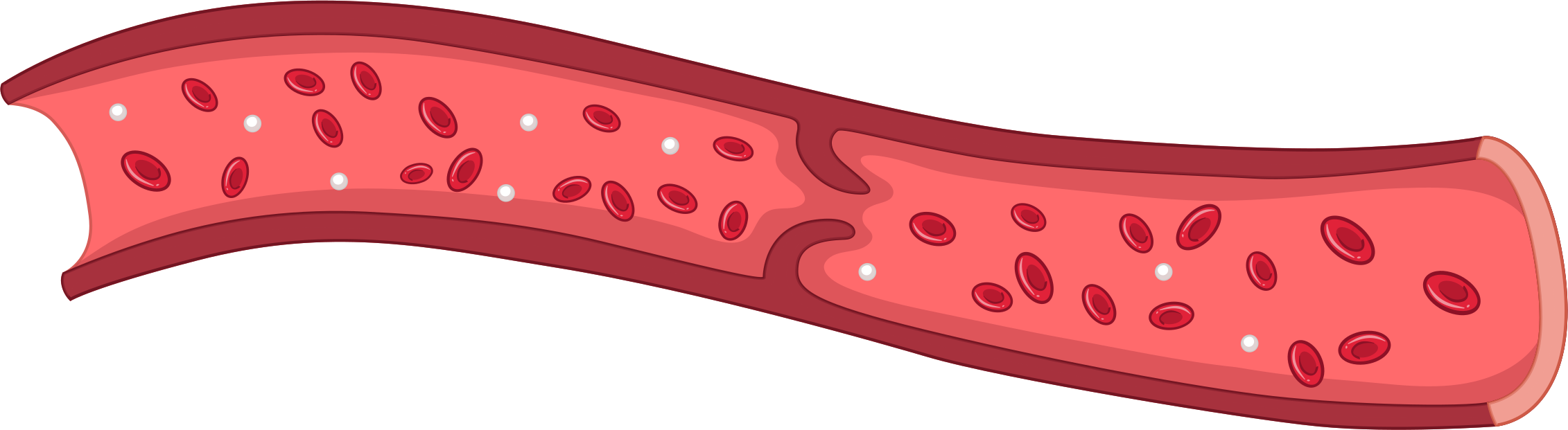
diagnosis
Lorem Ipsum is simply dummy text of the printing and typesetting industry. Lorem Ipsum has been the industry's standard dummy text. Lorem Ipsum is simply dummy text of the printing and typesetting industry

Physical Examination
-
 Checking for weak or absent pulses in the legs or feet, skin appearance changes, leg temperature, and listening for abnormal sounds called bruits that indicate turbulent blood flow.
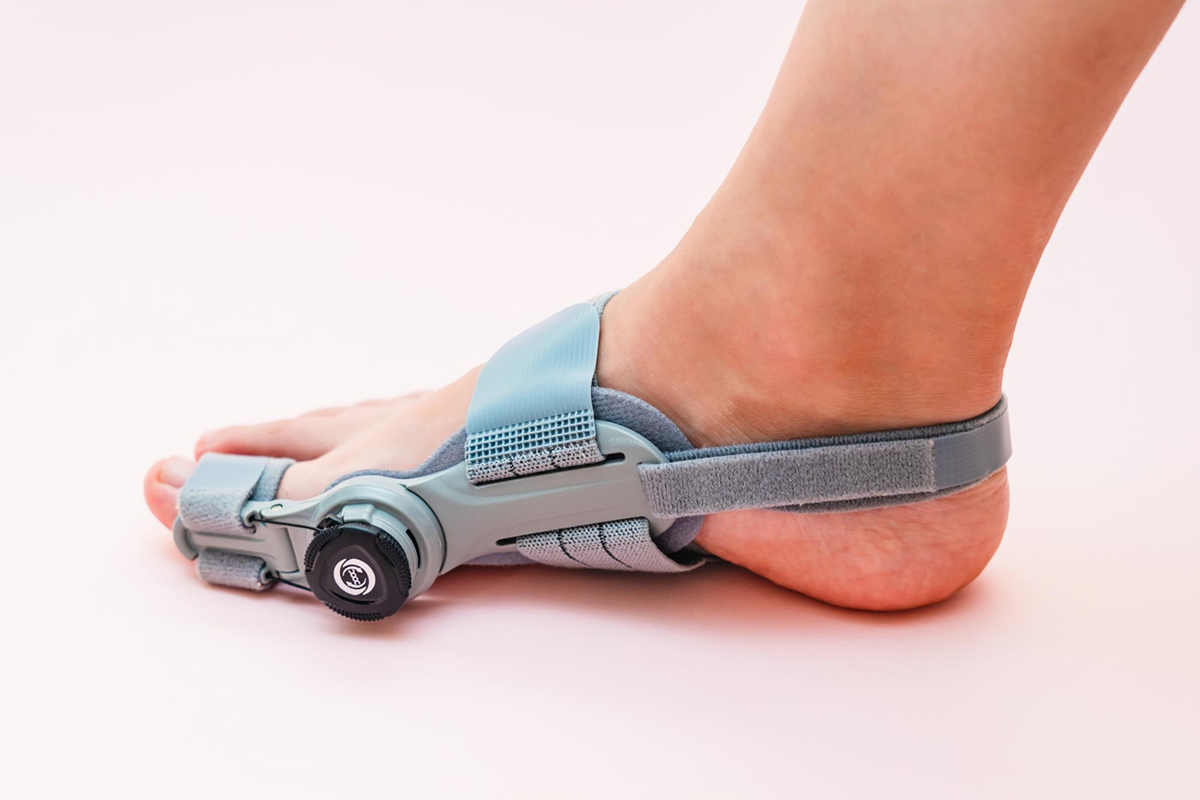
Ankle-Brachial Index (ABI)
-
A non-invasive test comparing blood pressure in the ankle to blood pressure in the arm. An ABI of less than 0.9 suggests PAD.
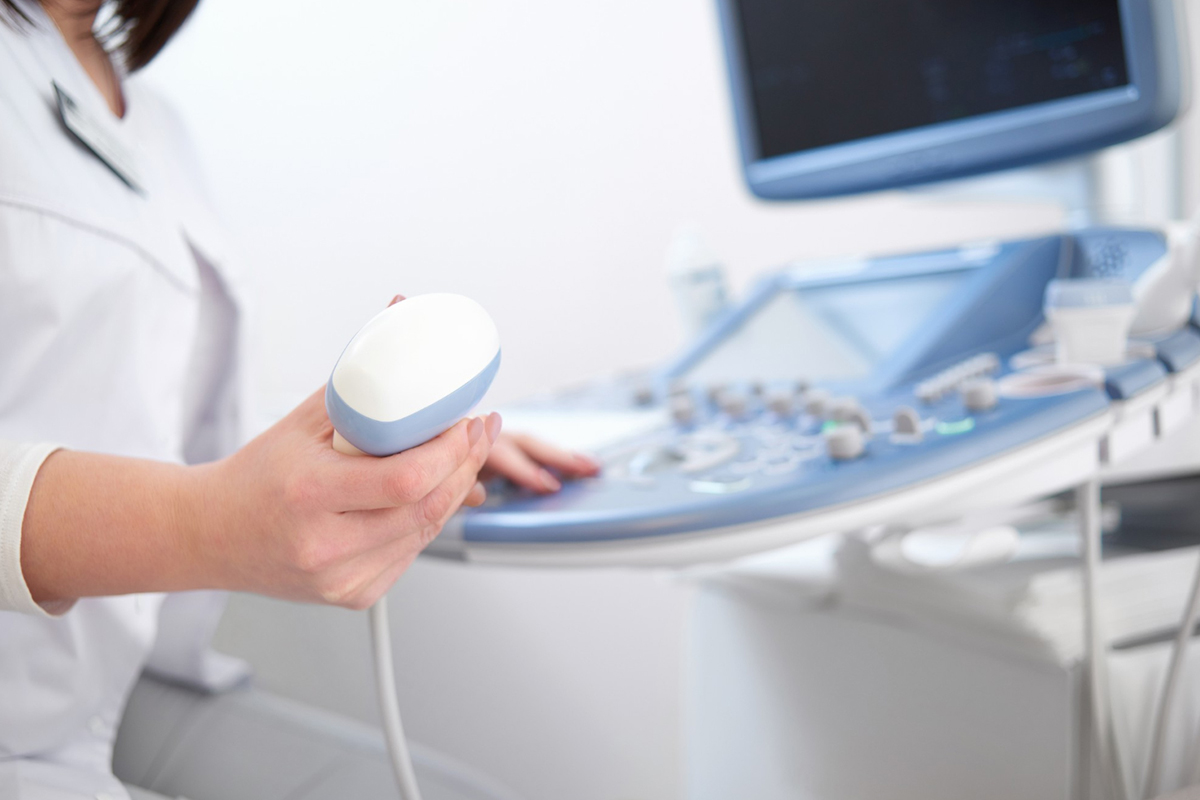
Doppler Ultrasound
-
Uses sound waves to visualize blood flow and detect narrowed or blocked arteries.

Exercise Testing
-
ABI measurements may be taken before and after exercise to detect PAD that only appears during activity.
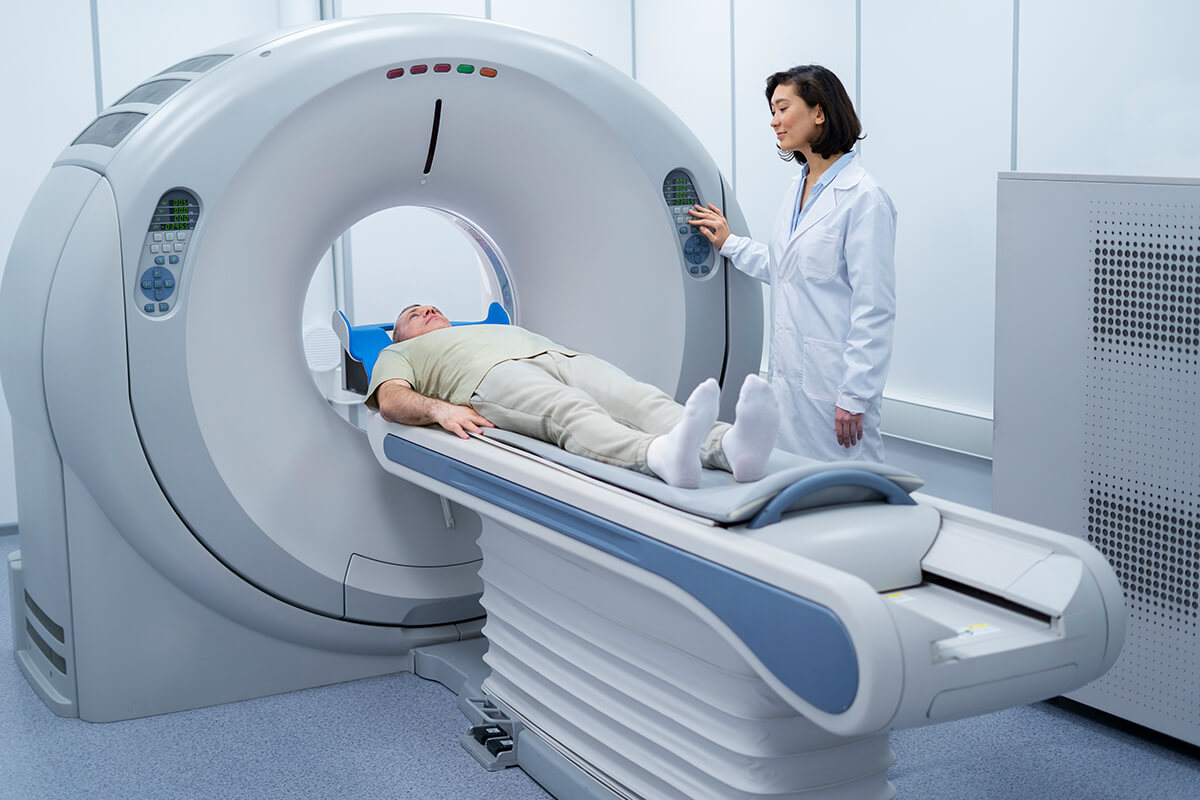
Angiography
-
Involves injecting contrast dye into arteries and taking X-rays (or CT/MRI angiography) to get detailed images of arterial blockages. This is often used before surgical or interventional procedures.
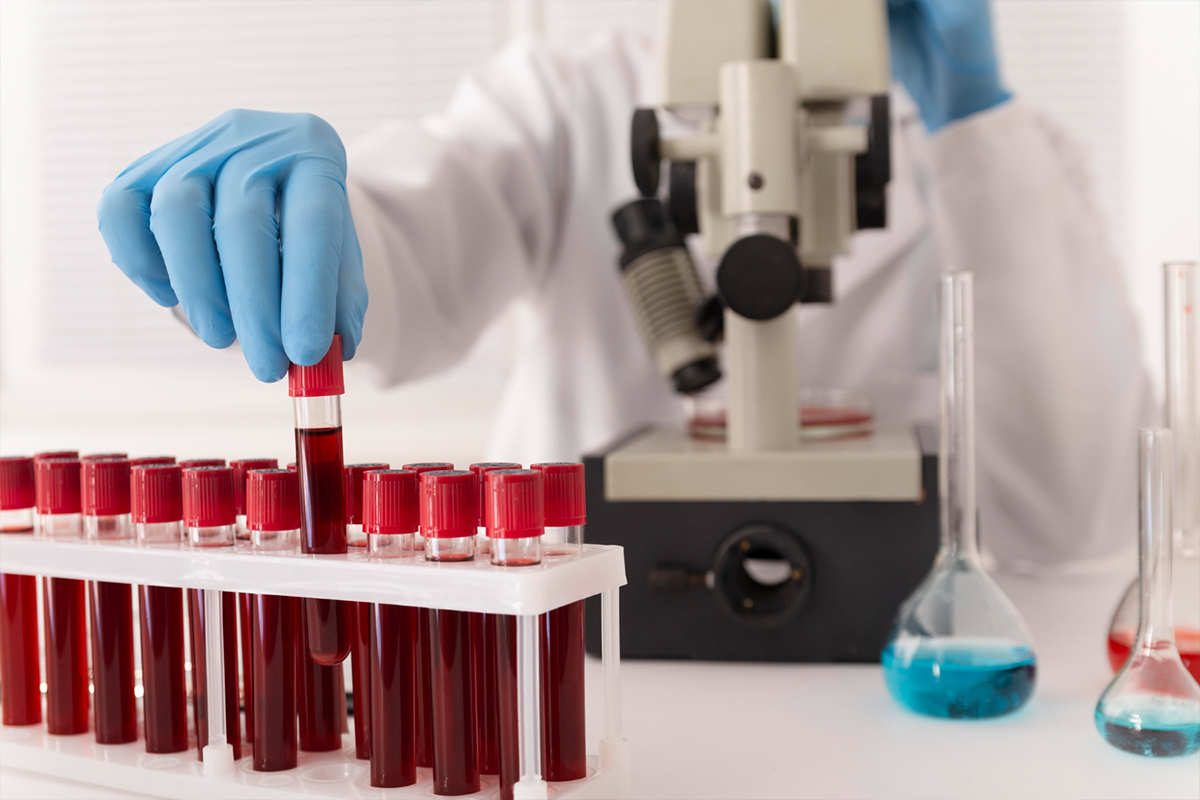
Blood Tests
-
Assess risk factors like cholesterol, blood sugar, and markers of inflammation.
