



 702, 7th Floor, Solaris Kode, Near Khatu Shyam Temple, VIP Road, Vesu , Surat.
 drjennygandhi98@gmail.com
 +91 90033 03373
Mesenteric Ischemia


Mesenteric Ischemia




Necrosis, or the death of intestinal tissue due to a lack of blood flow, may necessitate immediate surgery to remove the dead tissue.
A potentially fatal systemic reaction with multiple organ failure can result from bacterial infection that spreads as a result of bowel death.
Severe infection caused by inflammation of the abdominal lining as a result of bowel perforation.
With rates ranging from 50 to 80%, postponing treatment considerably raises the risk of death, particularly in cases of acute mesenteric ischemia.
If left untreated, chronic mesenteric ischemia can lead to severe weight loss and malnutrition as a result of food avoidance brought on by pain.
Acute mesenteric ischemia can become life-threatening when chronic symptoms abruptly worsen.

diagnosis
Lorem Ipsum is simply dummy text of the printing and typesetting industry. Lorem Ipsum has been the industry's standard dummy text. Lorem Ipsum is simply dummy text of the printing and typesetting industry

Physical examination and history
-
 centered on acute or persistent stomach pain, typically associated with eating, and related symptoms.

Arterial Doppler Ultrasound
-
A non-invasive procedure that uses sound waves to assess mesenteric artery blood flow and identify occlusion or stenosis.

Computed Tomography Angiography (CTA)
-
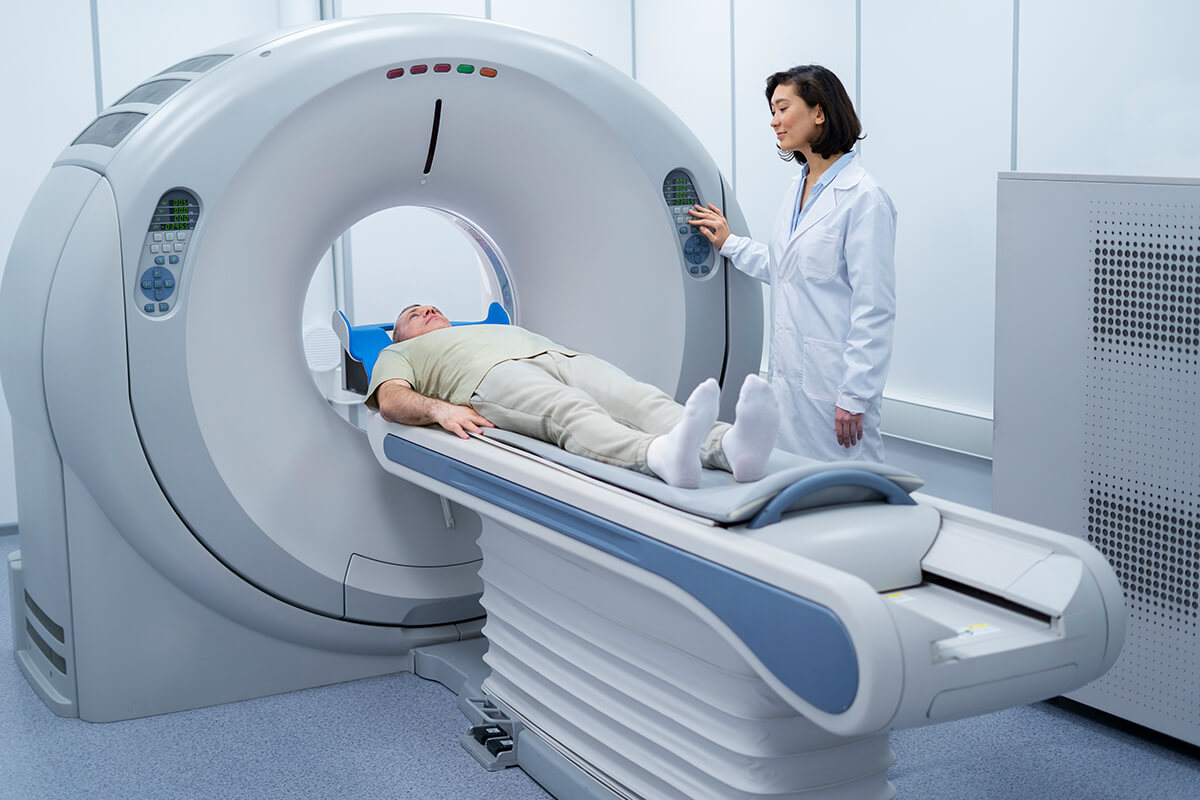
The widely used gold standard non-invasive imaging technique known as computed tomography angiography (CTA) visualizes the mesenteric vessels, evaluates blood flow, and looks for signs of bowel ischemia using X-rays and contrast dye.
Magnetic Resonance Angiography (MRA)
-
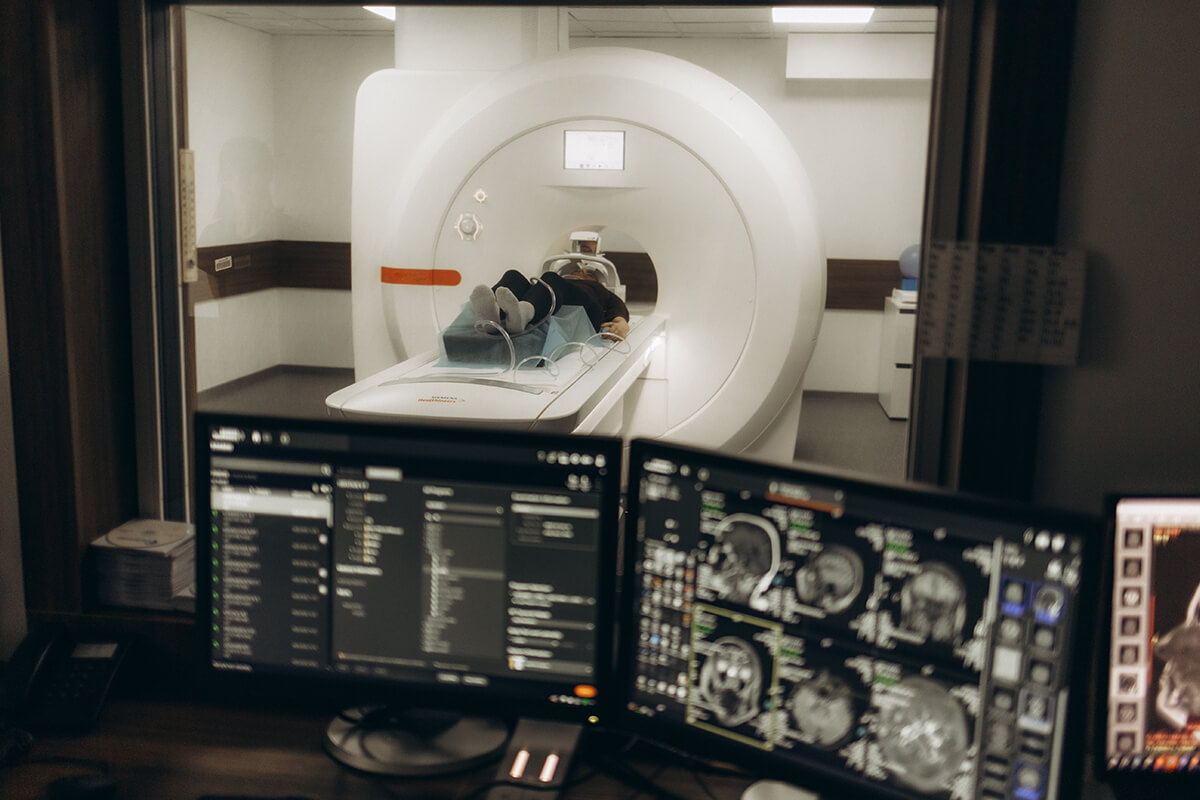
A radiation-free substitute for CTA that images mesenteric arteries using magnetic fields and contrast agents.
Conventional Angiography
-
This invasive test, which involves inserting a catheter and injecting contrast dye into the mesenteric arteries to detect blockages, is thought to be the gold standard for diagnosis. Additionally, it permits concurrent treatment interventions.

Laboratory Tests
-
Elevated lactate levels in blood can be a sign of tissue hypoxia, changes in the white blood cell count, or indicators of organ dysfunction and inflammation.

Abdominal X-rays
-
Although they are less sensitive, abdominal X-rays may reveal indications of bowel obstruction or perforation in more severe cases.
