


 702, 7th Floor, Solaris Kode, Near Khatu Shyam Temple, VIP Road, Vesu , Surat.
 drjennygandhi98@gmail.com
 +91 90033 03373
Critical Limb Ischemia


Critical Limb Ischemia
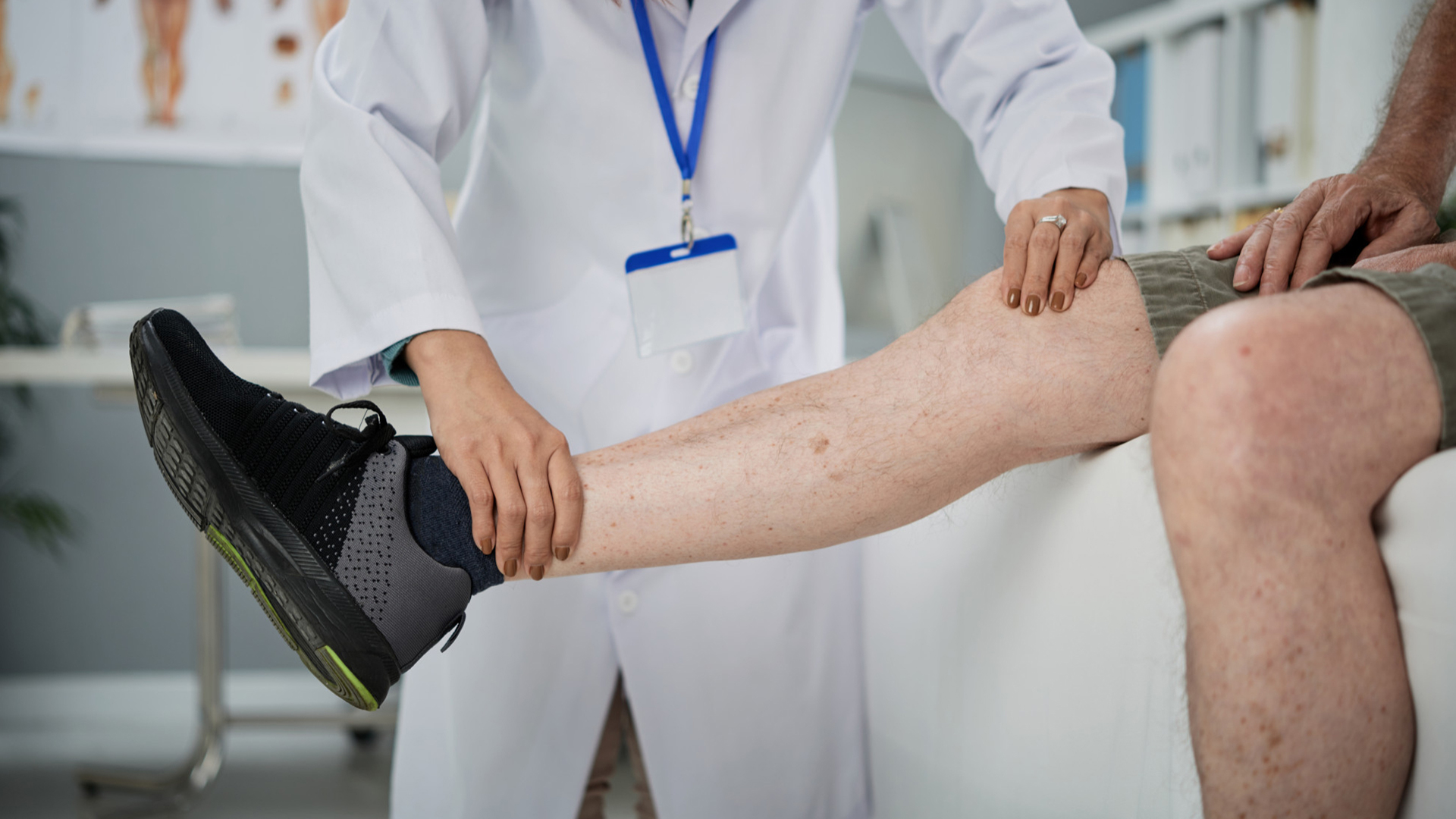


High risk of limb loss due to non-healing wounds, ulcers, or gangrene, often requiring amputation.
Progressive tissue damage and infection, further worsening the condition of the limb.
Increased risk of cardiovascular events such as heart attack and stroke, as CLI reflects widespread atherosclerosis.
High mortality rates, with about 25% of patients dying within one year and over 60% within five years, mainly from cardiovascular causes.
Significant functional impairment, reduced mobility, and decreased quality of life due to severe pain and tissue loss.
Increased healthcare costs and need for medical interventions such as surgery, rehabilitation, and long-term care.
diagnosis
Lorem Ipsum is simply dummy text of the printing and typesetting industry. Lorem Ipsum has been the industry's standard dummy text. Lorem Ipsum is simply dummy text of the printing and typesetting industry
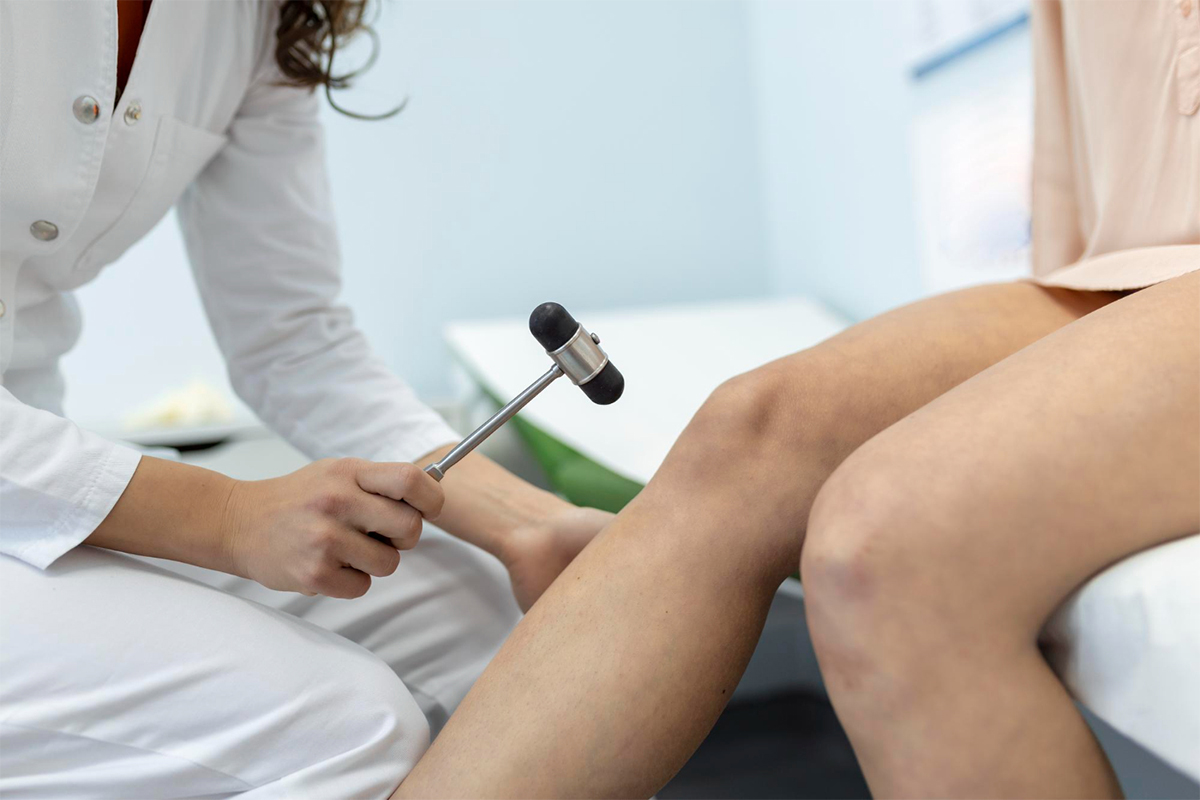
Physical Examination
-
 Checking for absent or weak pulses in the legs or feet, skin changes (shiny, smooth, dry skin), muscle wasting, and presence of ulcers or gangrene.
Ankle-Brachial Index (ABI)
-
Measures the ratio of blood pressure in the ankle to the arm; ABI less than 0.4 suggests severe ischemia.
Toe Pressure Measurement
-
More accurate in patients with arterial calcification; toe pressures below 30 mm Hg indicate critical ischemia.
Transcutaneous Oxygen Pressure (TcPO2)
-
Measures oxygen delivery to tissues; low values indicate poor perfusion.
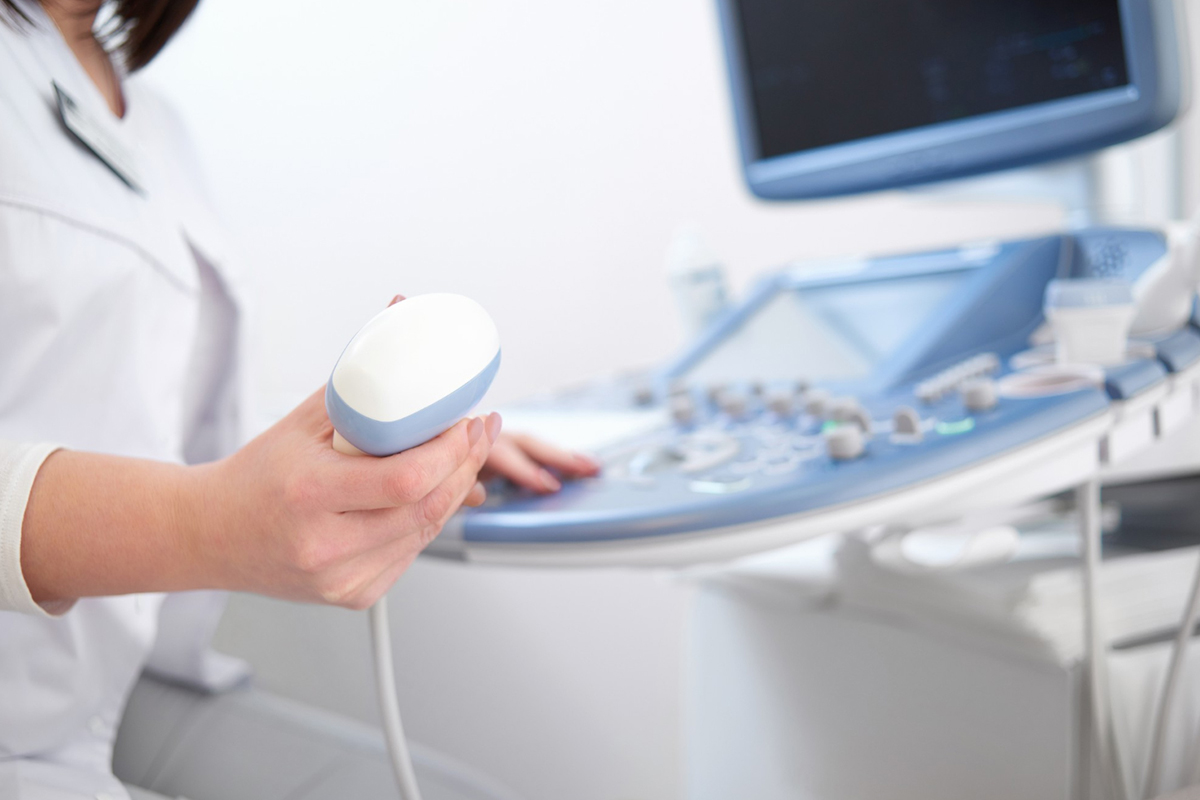
Doppler Ultrasound
-
Evaluates blood flow and detects blockages or narrowing in arteries.
-
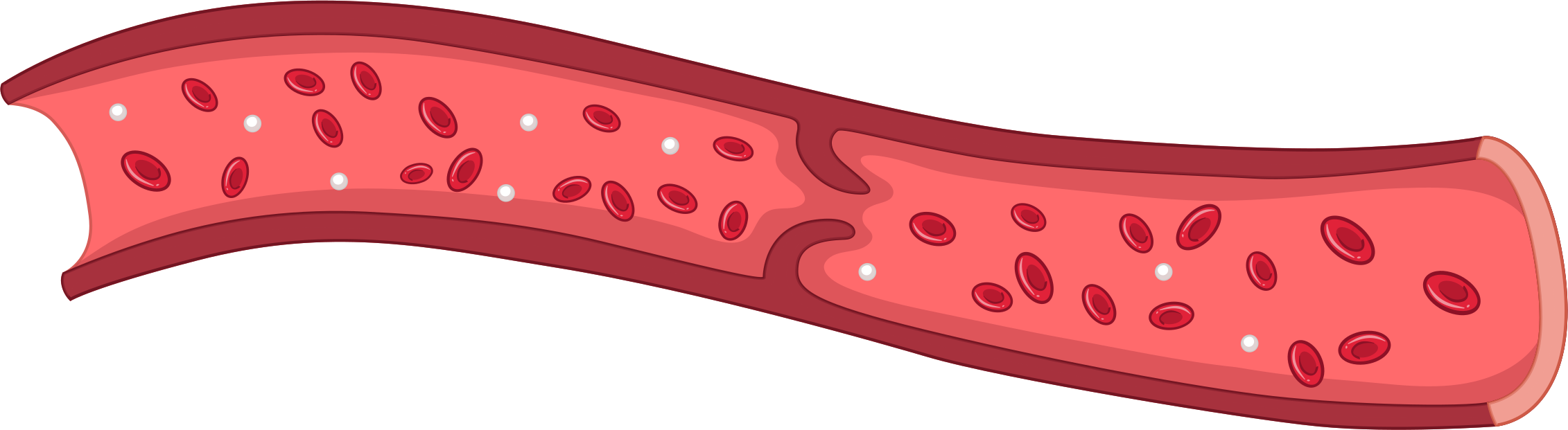
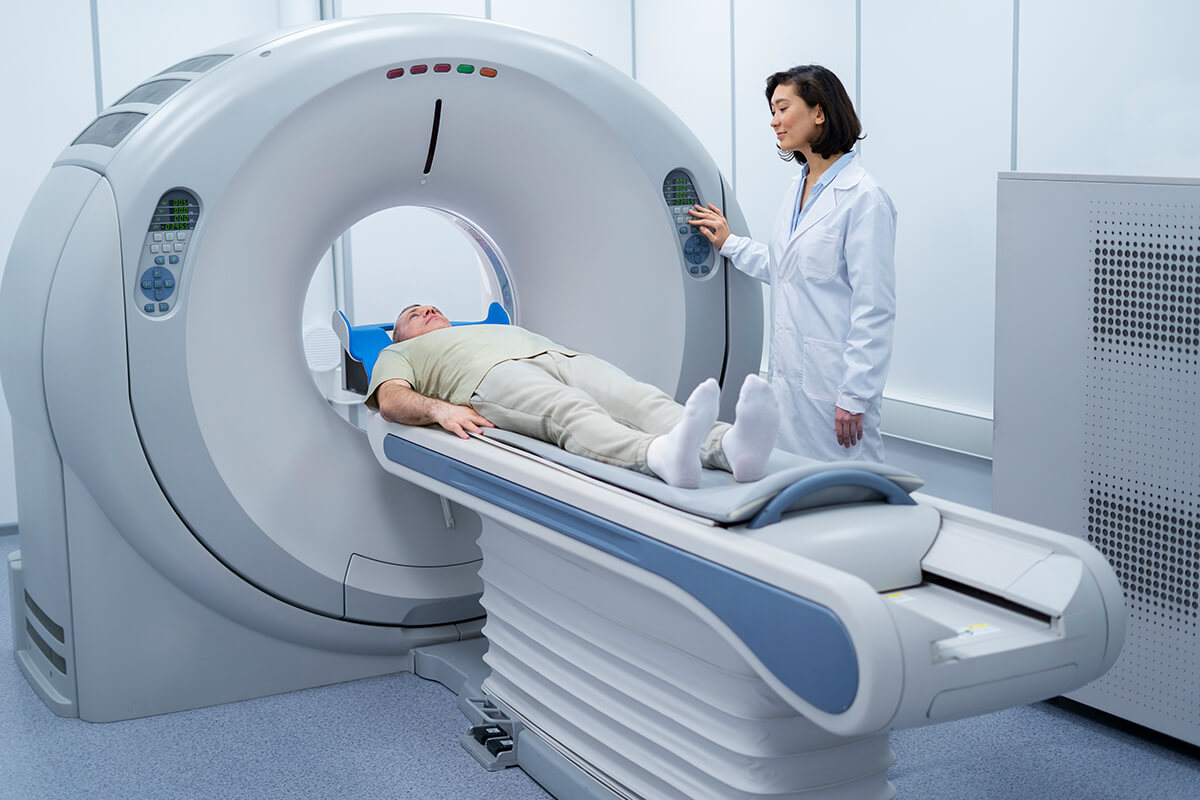
CT Angiography (CTA) or MR Angiography (MRA): Provide detailed images of arterial blockages.
Conventional Angiography
-
Invasive but gold standard for definitive evaluation before intervention.
WIfI Classification System
-
Assesses the severity based on Wound, Ischemia, and foot Infection to guide treatment decisions.
