


 702, 7th Floor, Solaris Kode, Near Khatu Shyam Temple, VIP Road, Vesu , Surat.
 drjennygandhi98@gmail.com
 +91 90033 03373
Lung Tumors


Lung Tumors
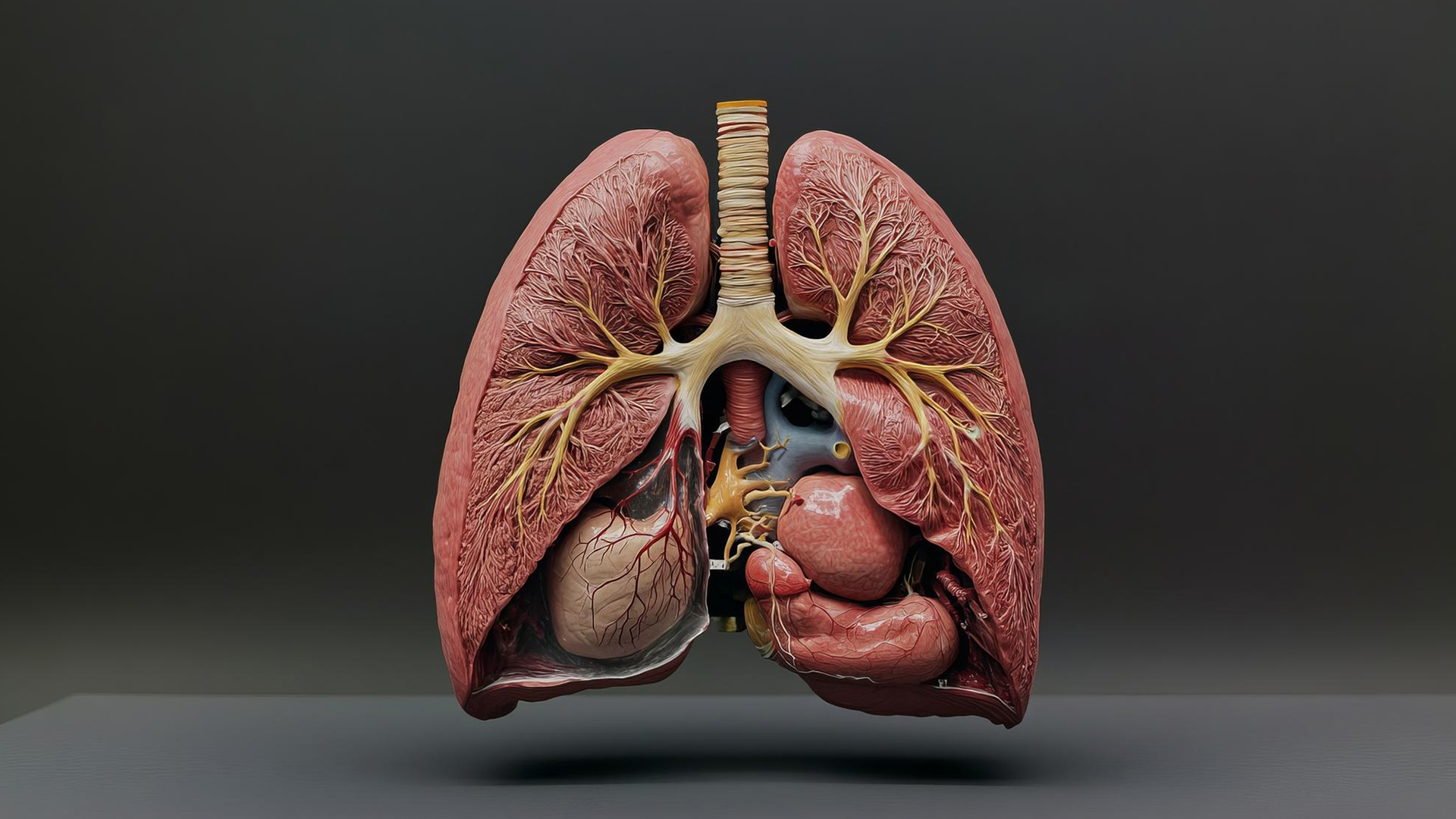


Untreated lung cancer typically leads to rapid disease progression and poor prognosis.
Median survival for untreated non-small cell lung cancer (NSCLC) averages around 7 months.
Small cell lung cancer (SCLC) without treatment is more aggressive, with survival often only 2 to 4 months.
Without treatment, cancer spreads uncontrollably causing worsening symptoms, organ failure, and eventually death.
Quality of life deteriorates due to severe respiratory issues, pain, weight loss, and infections.
Palliative care can provide symptom relief but does not extend survival significantly.
Early diagnosis and treatment are crucial to improve life expectancy and quality of life.

diagnosis
Lorem Ipsum is simply dummy text of the printing and typesetting industry. Lorem Ipsum has been the industry's standard dummy text. Lorem Ipsum is simply dummy text of the printing and typesetting industry

Imaging Tests
-
 To find suspicious lung nodules, measure the size of the tumor, and evaluate its spread, chest X-rays are frequently the first step, followed by more in-depth imaging such as CT scans. MRI scans are used to evaluate soft tissues and possible spread to brain or spinal cord. PET scans help with staging by identifying regions of elevated metabolic activity characteristic of cancer cells.

Sputum Cytology
-
Examining mucus coughed up from the lungs under a microscope to detect cancer cells.

Biopsy
-
A tissue sample is necessary for a confirmatory diagnosis. Surgical biopsy techniques like mediastinoscopy to sample lymph nodes, needle biopsy (using CT or X-ray to guide needle to tumor), and bronchoscopy (inserting a tube with a camera into airways to collect tissue) are some of the various biopsy techniques.
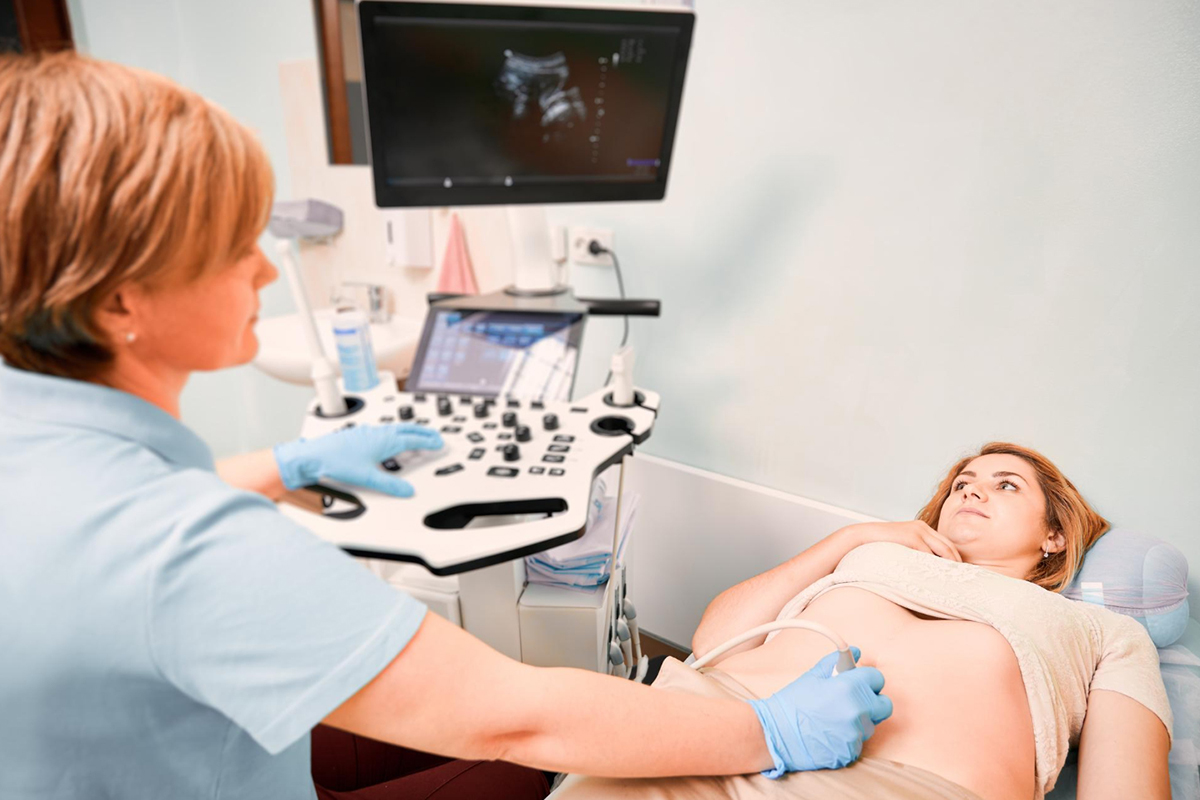
Endobronchial Ultrasound (EBUS)
-
A minimally invasive technique that samples lymph nodes or tumors close to the airways by combining bronchoscopy and ultrasound.

Molecular Testing
-
Targeted treatments can be guided by looking for genetic mutations in tumor tissue.

Screening
-
To identify lung cancer early before symptoms manifest, low-dose CT (LDCT) scans are advised for high-risk individuals.
