

Renal Tumors
Renal Tumors
WHAT IS
RENAL TUMORS?
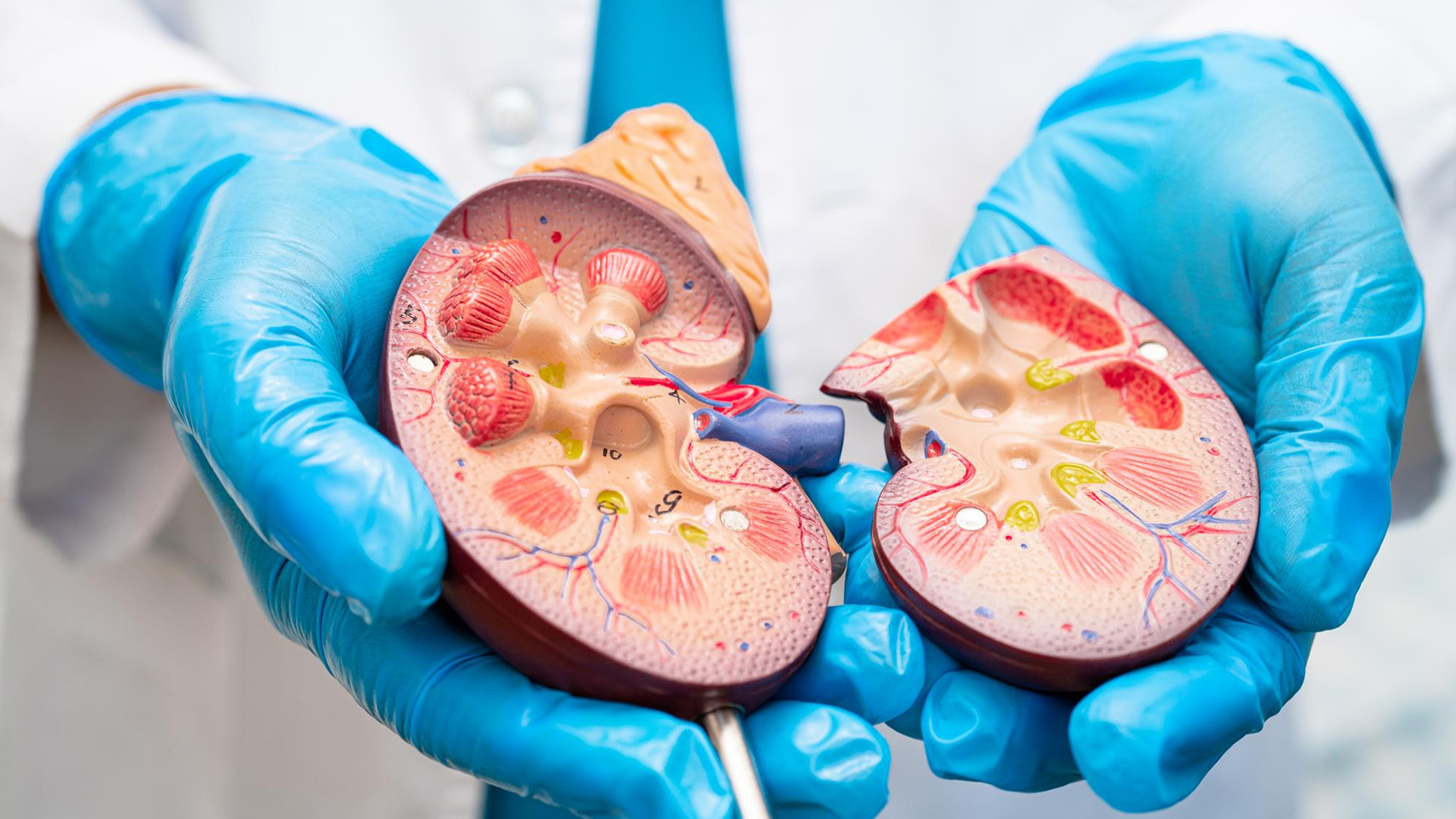
Abnormal growths in the kidney that can be either benign (non-cancerous) or malignant (cancerous) are known as renal tumors, or kidney tumors. Solid tumors are concerning because they could be an indication of cancer, most frequently renal cell carcinoma, even though many are benign.
causes
Smoking
Obesity
High blood pressure
Genetic factors
Family history
Occupational exposure
Chronic kidney disease
lifestyle and environmental factors
symptoms
Blood in the urine
A lump or mass may be felt in the kidney area or abdomen
Persistent pain or dull ache in the side or lower back (flank) is common
Unexplained weight loss and fatigue can occur
Fever of unknown origin may be present
Loss of appetite and general tiredness are frequent signs
bone pain or swelling
asymptomatic and discovered
if untreated?

Untreated kidney cancer can grow and invade nearby tissues and organs.

It can spread (metastasize) to distant organs like lungs, bones, and brain.

Symptoms worsen, including pain, blood in urine, weight loss, fatigue, and swelling.

Advanced disease may cause organ failure and severe complications.

Median survival for untreated advanced kidney cancer is often less than a year.

Early treatment significantly improves survival and reduces symptoms.
diagnosis
Lorem Ipsum is simply dummy text of the printing and typesetting industry. Lorem Ipsum has been the industry's standard dummy text. Lorem Ipsum is simply dummy text of the printing and typesetting industry

Imaging tests such as ultrasound
-

Imaging tests such as ultrasound, CT scans, and MRI are used to visualize the kidneys and detect masses.
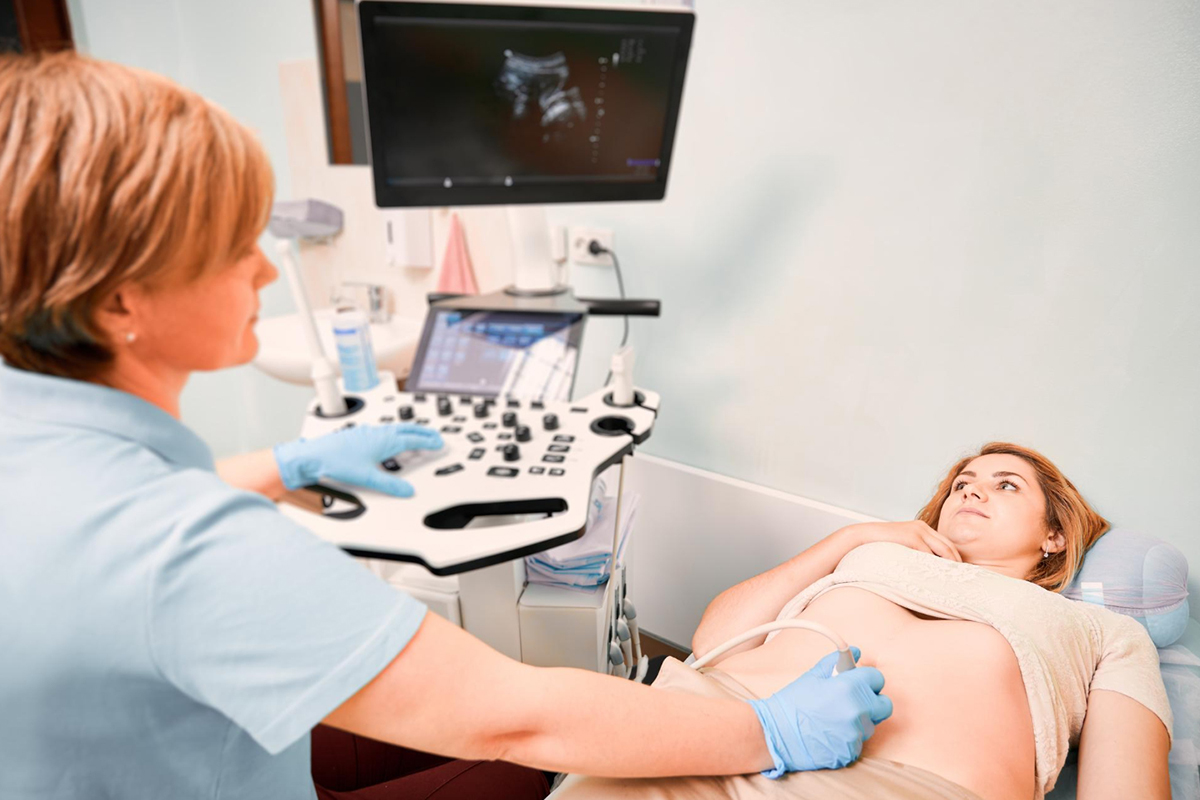
Ultrasound
-
Ultrasound helps differentiate solid tumors from cysts.
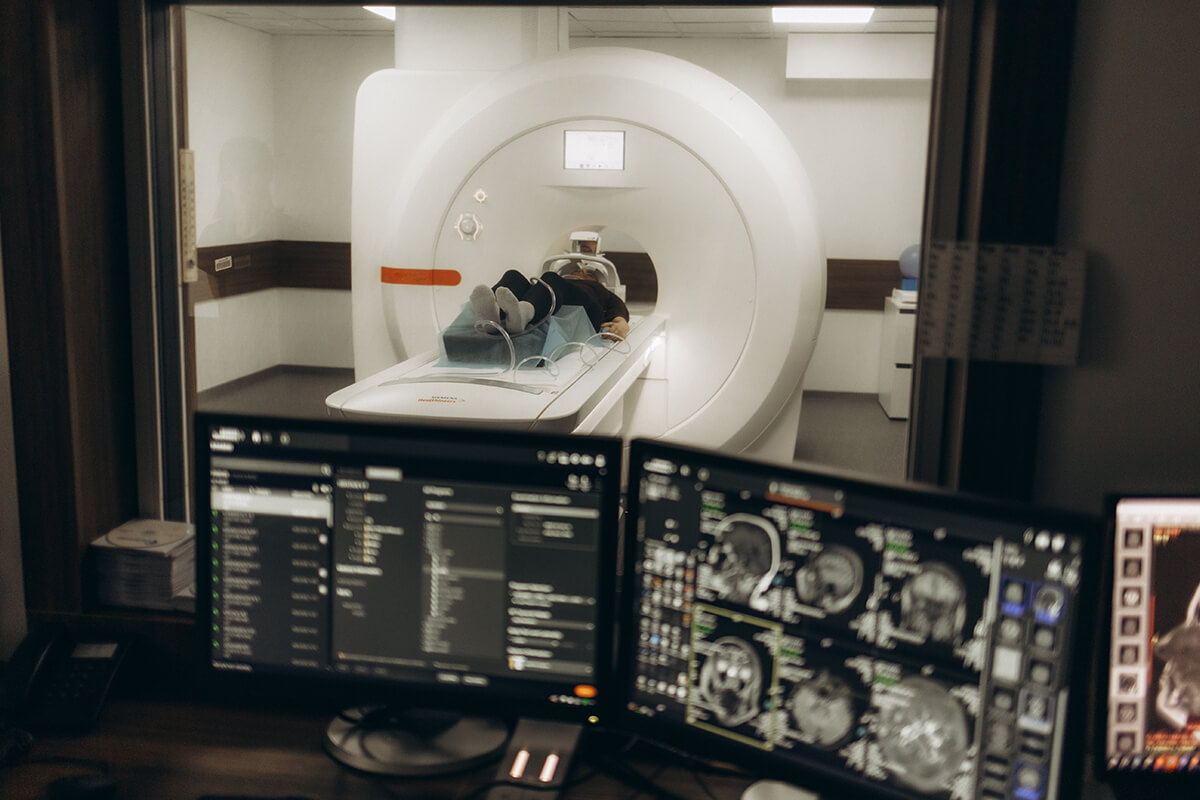
CT and MRI
-
CT and MRI provide detailed cross-sectional images showing tumor size, location, and spread to lymph nodes or other organs.

Blood and urine tests
-
Blood and urine tests assess kidney function and detect signs like anemia or blood in urine but do not confirm cancer.
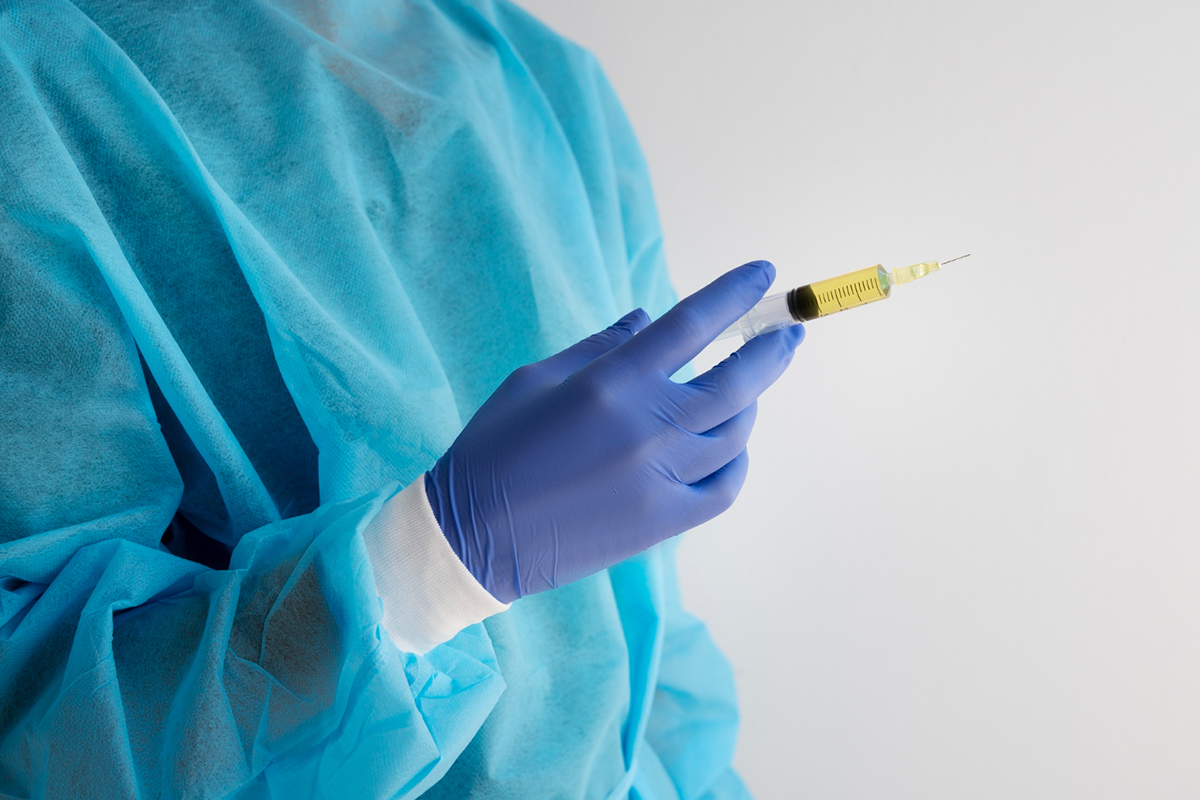
Percutaneous needle biopsy
-
Percutaneous needle biopsy is done when imaging is inconclusive, taking a small tissue sample for microscopic examination.

X-rays or bone scans
-
Additional tests like chest X-rays or bone scans check for metastasis.
Interventional Radiology
treatment
Transarterial Chemo embolization
By specifically cutting off the tumor’s blood supply, transarterial chemotherapy embolization (TACE) is a minimally invasive tumor treatment technique. Here, a catheter is used to inject tiny embolic particles coated with chemotherapy medications straight into the artery supplying the tumor. By simultaneously preventing blood flow and administering concentrated chemotherapy, tumor cells are killed more efficiently and systemic side effects are reduced. In order to ensure accurate catheter placement, the procedure is typically performed under imaging guidance, frequently through a tiny incision in the wrist or groin.
Nephrostomy and Ureteral Stenting
In this, a tiny tube is inserted through the skin into the kidney to drain urine and relieve pressure brought on by blockages. It helps avoid kidney damage and infection and is usually recommended in cases of obstruction of the urinary tract caused by strictures, tumors, or stones. The process maintains kidney function, relieves symptoms right away, and is frequently used as a stopgap measure before surgery or additional treatment.
Microwave Ablation (MWA)
A minimally invasive technique called microwave ablation (MWA) produces heat and destroys tumor tissues by using electromagnetic waves in the microwave spectrum. Under imaging guidance from an ultrasound or CT scan, a thin antenna is inserted into the tumor during MWA. The microwave energy causes the water molecules in the tissue to oscillate rapidly, creating frictional heat that causes coagulative necrosis, which kills cells. MWA is less impacted by the cooling effect of surrounding blood vessels, can reach higher temperatures more quickly, and can ablate larger tumor volumes more uniformly.
Cryoablation
A minimally invasive medical technique that freezes and destroys diseased or aberrant tissue using extremely low temperatures. Using imaging guidance like ultrasound, CT, or MRI, a thin probe known as a cryoprobe is inserted through the skin during the procedure to precisely target the affected area. Without the need for extensive incisions, the probe’s emissions of gases like liquid nitrogen or argon produce freezing temperatures that harm cells and destroy tumors or lesions.