


 702, 7th Floor, Solaris Kode, Near Khatu Shyam Temple, VIP Road, Vesu , Surat.
 drjennygandhi98@gmail.com
 +91 90033 03373
Cerebral Sinus Thrombosis


Cerebral Sinus Thrombosis

Brain swelling (cerebral edema) and increased intracranial pressure
Venous infarction (tissue damage) and brain hemorrhage
Seizures
Permanent neurological deficits (weakness, paralysis, vision loss)
Coma or rapid decline in consciousness
Stroke
Pulmonary embolism
Chronic headaches and cognitive impairment
Residual epilepsy or recurrent thrombosis
Development of dural arteriovenous fistula
Death

diagnosis
Lorem Ipsum is simply dummy text of the printing and typesetting industry. Lorem Ipsum has been the industry's standard dummy text. Lorem Ipsum is simply dummy text of the printing and typesetting industry
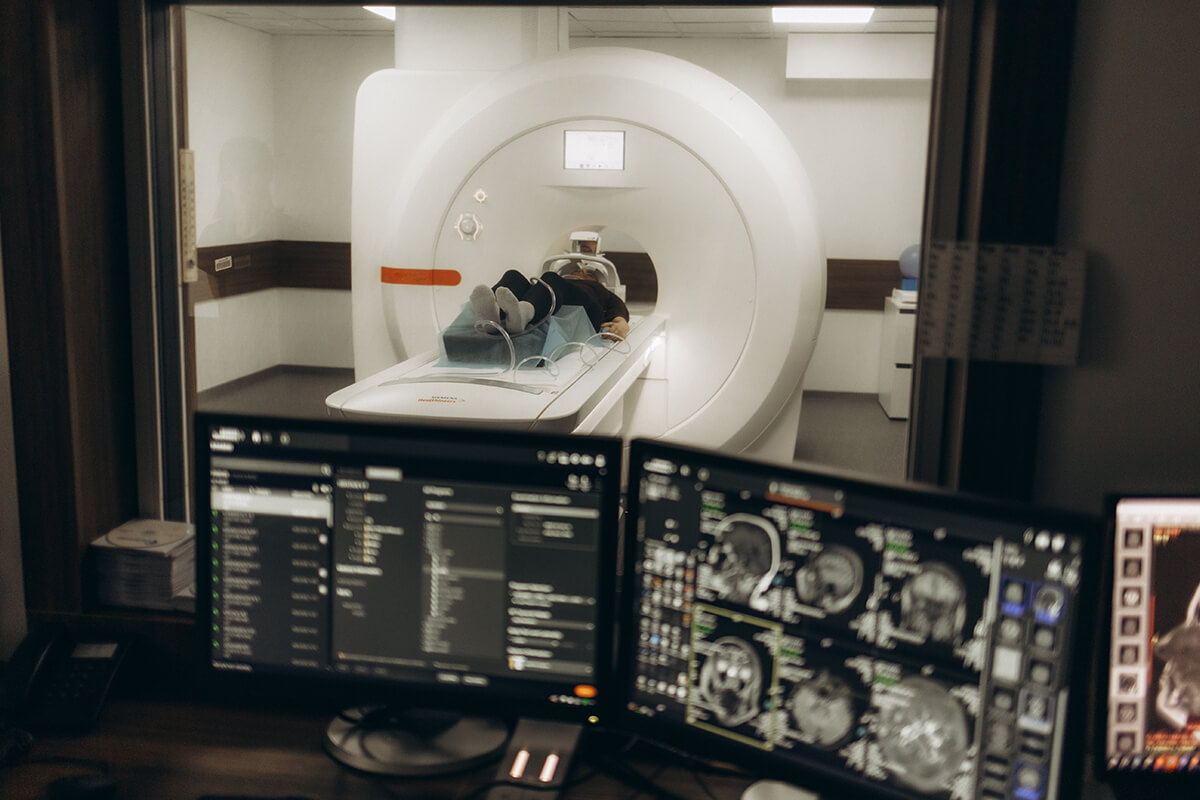
MRI with MR Venography
-
 The most sensitive and widely used test to see blood clots and lack of blood flow in the sinuses or cerebral veins is MRI with MR Venography.
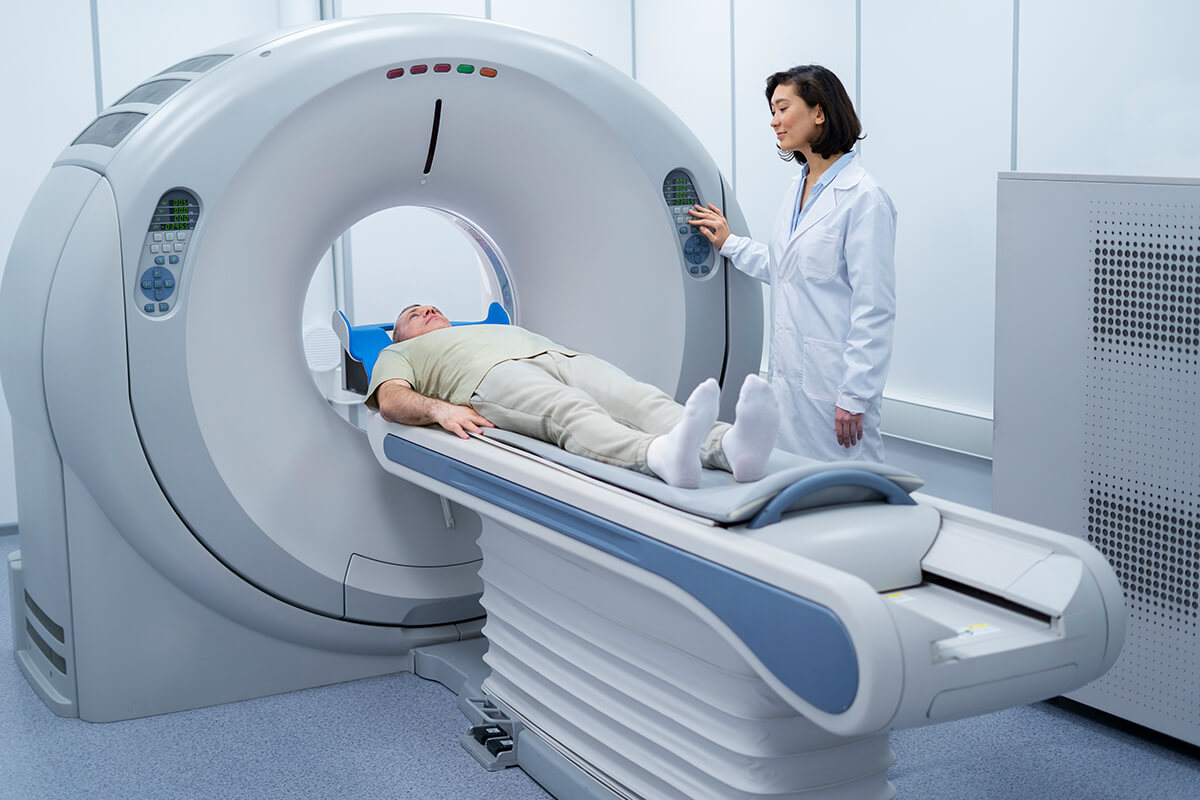
CT with CT Venography
-
Particularly helpful in emergency situations, CT with CT Venography can quickly identify venous thrombosis and related brain abnormalities.
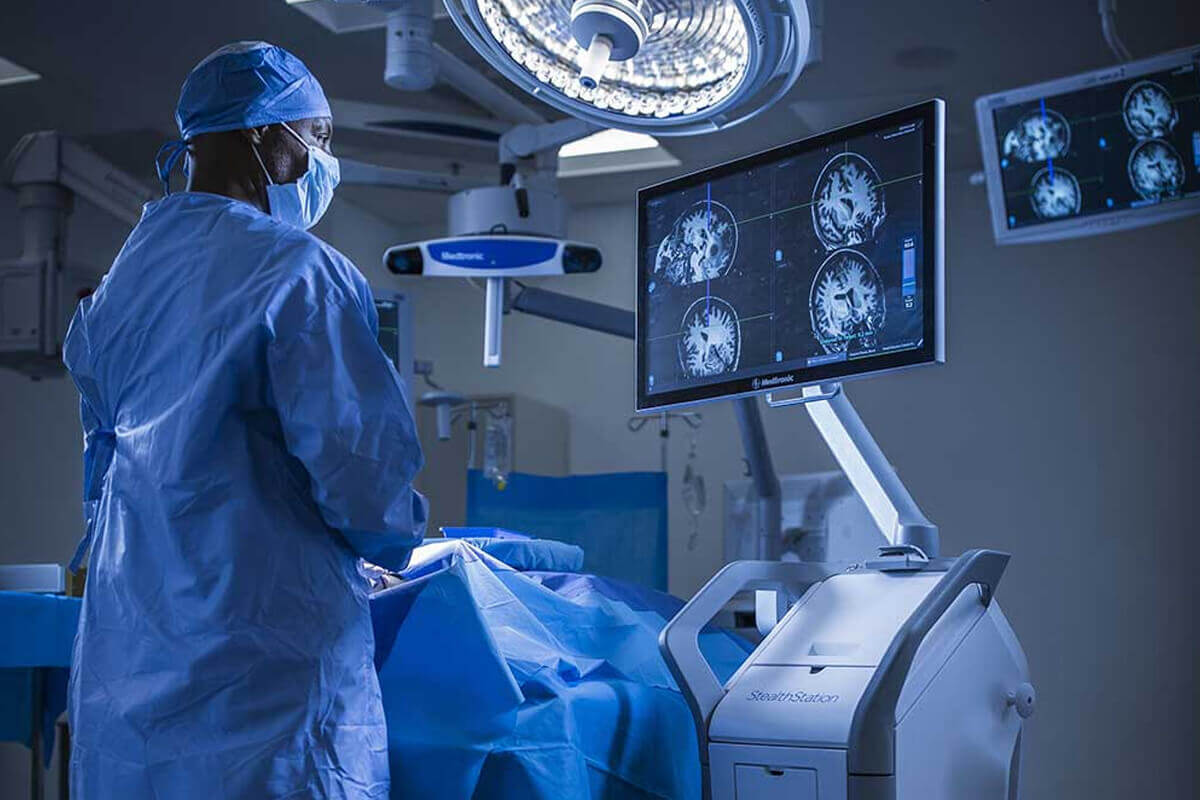
Digital Subtraction Angiography (DSA)
-
When endovascular intervention is planned or other imaging is inconclusive, digital subtraction angiography (DSA) may be considered.

Blood tests
-
Used to look for risk factors or underlying clotting disorders.
